Best Worm Composter: A Simple Guide for Beginners
By Zoyi Adams
20 Views
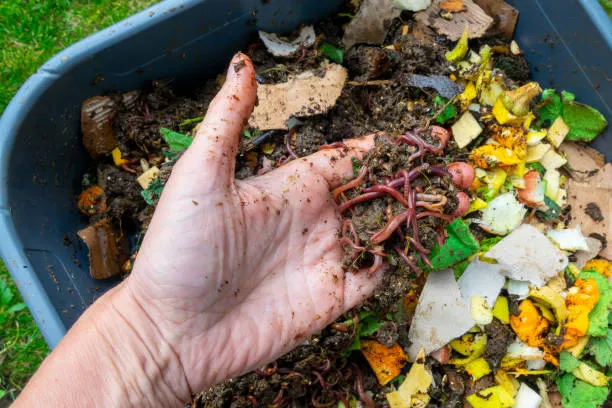
Composting with worms is a simple way to turn everyday food scraps into useful organic material. You do not need a large garden or complicated equipment to get started. A suitable worm composter can fit into a small space and can be a good option for people who want to reduce kitchen waste at home.
For beginners, Memes Worms is one place to explore when looking for composting worms and basic supplies. Having the right worms and a suitable container makes it easier to get a new worm composting system started without making the process unnecessarily complicated.
What Is a Worm Composter?
A worm composter is a container designed to house composting worms while they break down organic waste. The worms eat suitable food scraps and turn them into nutrient-rich castings.
Most worm composters include some type of ventilation, drainage, and space for bedding. Some larger systems also have multiple trays, allowing you to move the worms between levels as the older material becomes ready.
The basic idea is quite simple: food scraps go in, worms do the processing, and finished castings come out.
What Makes a Good Worm Composter?
There are many different worm composters available, but the most useful features are usually practical rather than complicated.
A good system should have:
- Enough ventilation for airflow
- Good moisture control
- A secure lid
- Easy access for adding food
- Enough space for the number of worms you have
- A way to collect excess liquid when needed
- A design that makes harvesting easier
You do not necessarily need the biggest or most expensive model. The right size depends on how much food waste your household produces.
Types of Worm Composters
Stackable Worm Composters
Stackable systems have several trays placed on top of one another. As worms move between levels, the lower trays can eventually be harvested.
These systems are popular with beginners because they can be expanded without taking up much floor space.
Plastic Bin Worm Composters
A simple plastic container can also be converted into a worm composter by adding suitable ventilation and drainage.
This can be an affordable way to learn the basics before investing in a dedicated system.
Wooden Worm Composters
Wooden systems can look more natural and may work well in gardens, patios, or outdoor spaces. They are generally more suitable when you have enough room for a larger setup.
Continuous-Flow Worm Composters
These systems are designed so that finished castings can be removed from the bottom while worms continue working near the top.
They can be convenient for people who want a more organized harvesting process, although they may cost more than a basic bin.
How Big Should a Worm Composter Be?
The size should match the amount of food waste you produce.
A small household may only need a compact bin, while a larger family may require more space. Buying an oversized system does not automatically make composting easier.
Start with a manageable size and learn how quickly your worms process food. You can always increase the capacity later if necessary.
What Worms Should You Use?
Not every type of earthworm is suitable for worm composting. Composting species are better adapted to living in organic material and processing food waste.
Red wigglers are one of the most commonly used composting worms because they can handle the conditions found inside a worm bin.
European nightcrawlers are another option and can also be used in suitable composting systems.
The important thing is to choose composting worms rather than simply collecting random earthworms from the garden.
What Goes Into a Worm Composter?
Worms can process many everyday kitchen scraps.
Good options include:
- Fruit and vegetable scraps
- Vegetable peels
- Coffee grounds
- Tea leaves
- Crushed eggshells
- Small amounts of plain plant-based leftovers
Food should be added in small quantities. Too much fresh food can create excess moisture and odors before the worms have time to process it.
Avoid adding large amounts of meat, dairy, oily foods, salty foods, or heavily seasoned leftovers.
Where Should You Keep a Worm Composter?
A worm composter should be kept somewhere that does not experience extreme temperatures.
Depending on the system, suitable locations can include:
- A shaded balcony
- Garage
- Utility area
- Kitchen corner
- Basement
- Shaded outdoor space
Avoid direct sunlight and very hot areas. Composting worms generally do better when their environment stays reasonably cool and stable.
How Do You Keep a Worm Composter Healthy?
The main goal is to maintain a good balance of food, bedding, moisture, and airflow.
The bedding should feel damp but not soaked. If the bin becomes too wet, add dry bedding and reduce the amount of food being added for a while.
It is also important not to disturb the worms constantly. Give them time to work through the food before adding another large amount.
A healthy worm bin should have a mild earthy smell. A strong unpleasant odor usually means something needs to be adjusted.
How Often Should You Feed the Worms?
There is no single feeding schedule that works for every worm composter.
The amount depends on the number of worms, temperature, food type, and how established the system is.
Beginners should start with small amounts and observe how quickly the worms process them. Once you understand the pace of your bin, you can gradually increase the amount.
Is a Worm Composter Worth It?
For people who regularly produce kitchen scraps, a worm composter can be a practical addition to the home.
It takes up relatively little space and can turn food waste into worm castings that can be used around plants. It also gives beginners a simple way to learn about composting and soil health.
The main requirement is consistency. A worm bin is not completely maintenance-free, but the routine is usually manageable once you understand what the worms need.
Where Can You Get Worms and Supplies?
Getting healthy composting worms and suitable bedding is an important part of setting up the system. You can check local gardening stores, composting groups, or specialist suppliers.
Memes Worms is another option for people looking for composting worms, worm castings, bedding, and other worm-farming supplies. Choosing suitable materials from the beginning can make it easier to maintain a balanced bin.
Conclusion
Choosing the best worm composter does not have to be complicated. The right system is one that fits your available space, food-waste habits, budget, and willingness to maintain it.
For beginners, a simple stackable system or well-ventilated bin can be enough to learn the basics. Start with the right composting worms, add food gradually, maintain proper moisture, and give the worms time to do their work.
With a little practice, worm composting can become an easy part of your regular household routine.
FAQ
What is the best worm composter for beginners?
A simple, well-ventilated bin or stackable worm composter is usually a practical starting point for beginners.
How many worms do I need for a worm composter?
The number depends on the size of the bin and how much food waste you produce. It is better to start with a manageable population and increase it as the system develops.
Can a worm composter be kept indoors?
Yes. A properly maintained worm composter can be kept indoors, provided it has suitable ventilation and is protected from extreme temperatures.
Do worm composters smell?
A healthy worm bin should have an earthy smell rather than a strong unpleasant odor. Excess food, moisture, or poor airflow can cause problems.
How long does a worm composter take to produce castings?
The timeline varies depending on the worm population, temperature, food, moisture, and bin conditions. Established systems generally process material faster than newly started bins.
Related Reading
Top 10 Hidden Secrets About Business & Finance You Need to Know
Welcome to our in-depth exploration of Business & Finance. In an era defined...
Why Business & Finance is Transforming the Global Industry Landscape
Welcome to our in-depth exploration of Business & Finance. In an era defined...