Best Time to Visit Jordan: Weather, Petra & Wadi Rum
20 Views
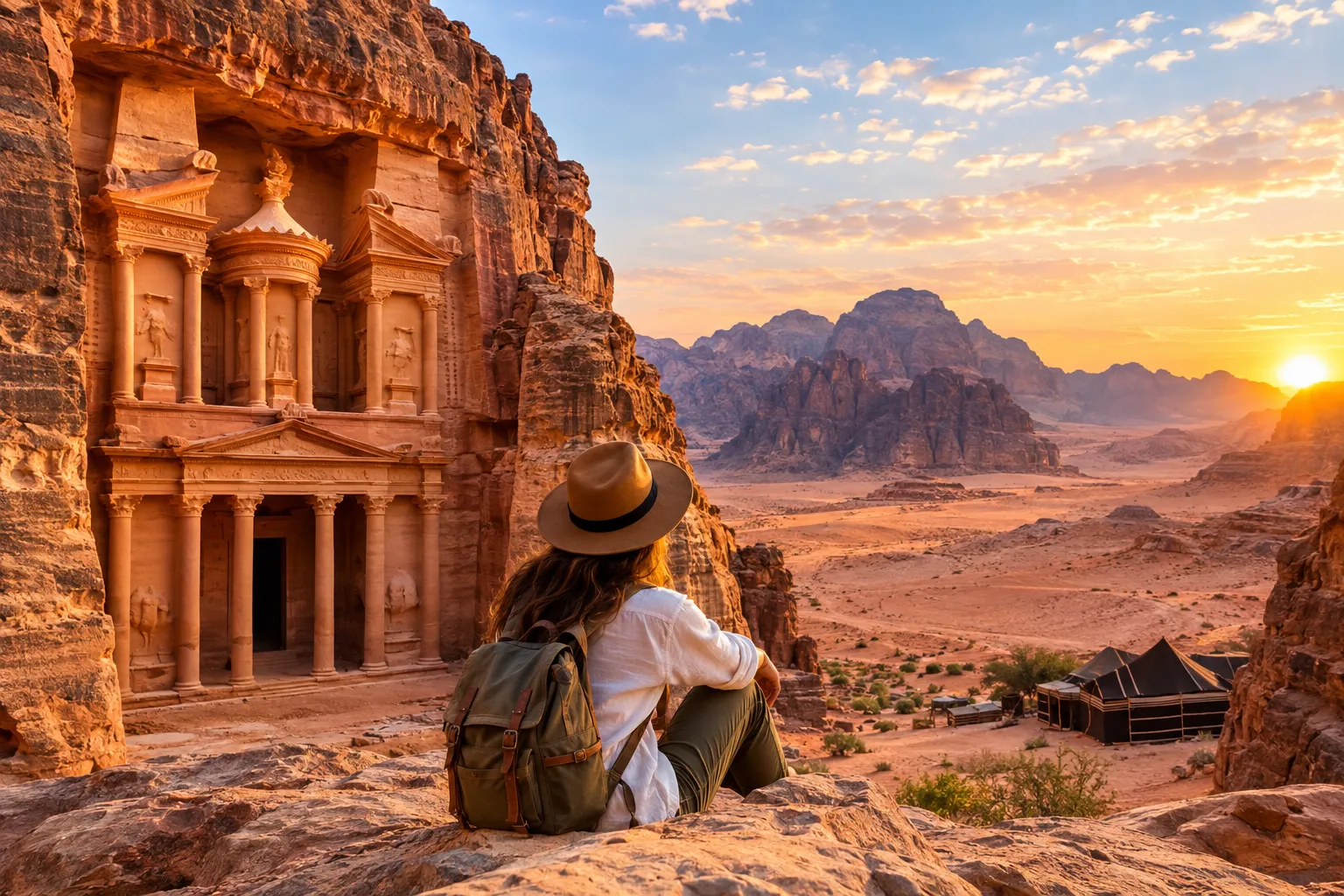
Jordan is a destination where ancient history, dramatic landscapes, warm hospitality, and unforgettable adventures come together. From walking through the rose-red corridors of Petra to watching the sunset over the desert of Wadi Rum, every season offers something different. Choosing the best time to visit Jordan can make a significant difference to your experience, particularly when planning outdoor activities and sightseeing.
Jordan has a generally sunny climate, but temperatures vary considerably throughout the year. Spring and autumn are usually the most comfortable seasons for exploring, while summer can be very hot in desert and inland areas. Winter brings cooler temperatures and occasional rain, yet it can also be a rewarding time for travelers who prefer fewer crowds.
Understanding Jordan’s Climate Throughout the Year
Jordan experiences a Mediterranean-style climate in the northwest, while the eastern and southern regions are considerably drier. Amman and northern Jordan can have cool winters and warm summers, whereas Petra and Wadi Rum experience greater temperature differences between day and night.
Summer, particularly June through August, can bring intense daytime heat. Temperatures in Petra and Wadi Rum may become challenging during the middle of the day, although early mornings and evenings are often more pleasant. Winter is cooler, with December through February bringing the possibility of rain in Amman and colder nights in desert areas.
For many travelers, March to May and September to November offer the ideal balance of comfortable temperatures, outdoor activities, and sightseeing conditions.
Spring: A Wonderful Season for Exploring Jordan
Spring is one of the most attractive periods for Jordan travel experiences. From March through May, temperatures are generally comfortable, landscapes can appear greener, and the weather is particularly suitable for walking and sightseeing.
Petra is especially enjoyable during spring because exploring the archaeological site involves considerable walking. Visitors can comfortably make their way through the Siq, discover the Treasury, and continue toward the Monastery without facing the extreme heat associated with summer.
Spring is also an excellent season for Wadi Rum. Desert excursions, camel rides, hiking, and four-wheel-drive tours are more comfortable when daytime temperatures are moderate. Travelers can also enjoy evenings beneath the stars without the intense heat of summer.
April and May can become busier, so booking accommodation and popular tours ahead of time is recommended.
Summer: Hot Days and Quieter Experiences
June through August is the hottest period in Jordan. While summer is not necessarily the best time to visit Jordan for travelers sensitive to heat, it can still work well with thoughtful planning.
The key is to structure your itinerary around the weather. Visit Petra early in the morning, take a break during the hottest part of the day, and continue exploring later when temperatures begin to fall. The same approach works well in Wadi Rum, where sunrise and sunset excursions can be particularly memorable.
Summer can also be a good option for travelers who prefer a quieter atmosphere at certain attractions. Staying hydrated, wearing lightweight clothing, using sun protection, and carrying enough water are essential for comfortable sightseeing.
For those interested in the Dead Sea, summer offers plenty of sunshine, although the heat can be intense. Early morning or late afternoon is generally more comfortable for spending time outdoors.
Autumn: Ideal Weather for Petra and Wadi Rum
September through November is another excellent window for a Jordan travel guide itinerary. As temperatures begin to fall after the summer, outdoor exploration becomes much more enjoyable.
October is particularly appealing. The weather is often pleasant for long walks through Petra, while Wadi Rum offers excellent conditions for desert adventures. Travelers can combine cultural sightseeing with hiking, jeep tours, traditional meals, and overnight stays in desert camps.
Autumn is also a great time to explore Amman, Jerash, Madaba, and other historical destinations without dealing with the strongest summer heat. If your trip focuses heavily on archaeological sites and outdoor activities, September and October are among the strongest choices.
Winter: Cool Weather, Fewer Crowds and Unique Adventures
December through February brings cooler conditions and occasional rainfall, particularly in northern and higher-altitude areas. Amman can feel quite chilly, while Petra may be cold in the early morning and evening. Wadi Rum can become surprisingly cold after sunset, despite relatively mild daytime temperatures.
However, winter has its advantages. Attractions may be less crowded, allowing visitors to experience Petra and other historical sites at a slower pace. Clear winter days can also provide beautiful visibility across Jordan's landscapes.
Travelers visiting during winter should pack layers rather than relying only on warm-weather clothing. A waterproof jacket can also be useful, particularly when exploring Amman and northern Jordan.
Planning Your Perfect Jordan Adventure
The best time to visit Jordan ultimately depends on what you want from your journey. For comfortable sightseeing, hiking, and desert adventures, spring and autumn are generally the best choices. Summer can suit travelers who are comfortable with high temperatures and can organize activities around cooler parts of the day. Winter is appealing for those seeking fewer crowds and a different perspective on Jordan.
Regardless of when you visit, combining Petra, Wadi Rum, the Dead Sea, and Amman can create a wonderfully varied itinerary. Petra provides extraordinary history, Wadi Rum delivers dramatic desert scenery, and the Dead Sea offers a relaxing contrast after days of exploration.
A well-planned itinerary also allows you to experience Jordan beyond its famous landmarks. Local food, traditional villages, historic ruins, and conversations with residents can become some of the most memorable parts of your journey. With the right timing and preparation, Jordan can deliver Jordan travel experiences that combine adventure, culture, relaxation, and history in one unforgettable trip.