Best Plastic Surgeon in Dubai: Is Sculptra Right for Your Skin Goals?
17 Views
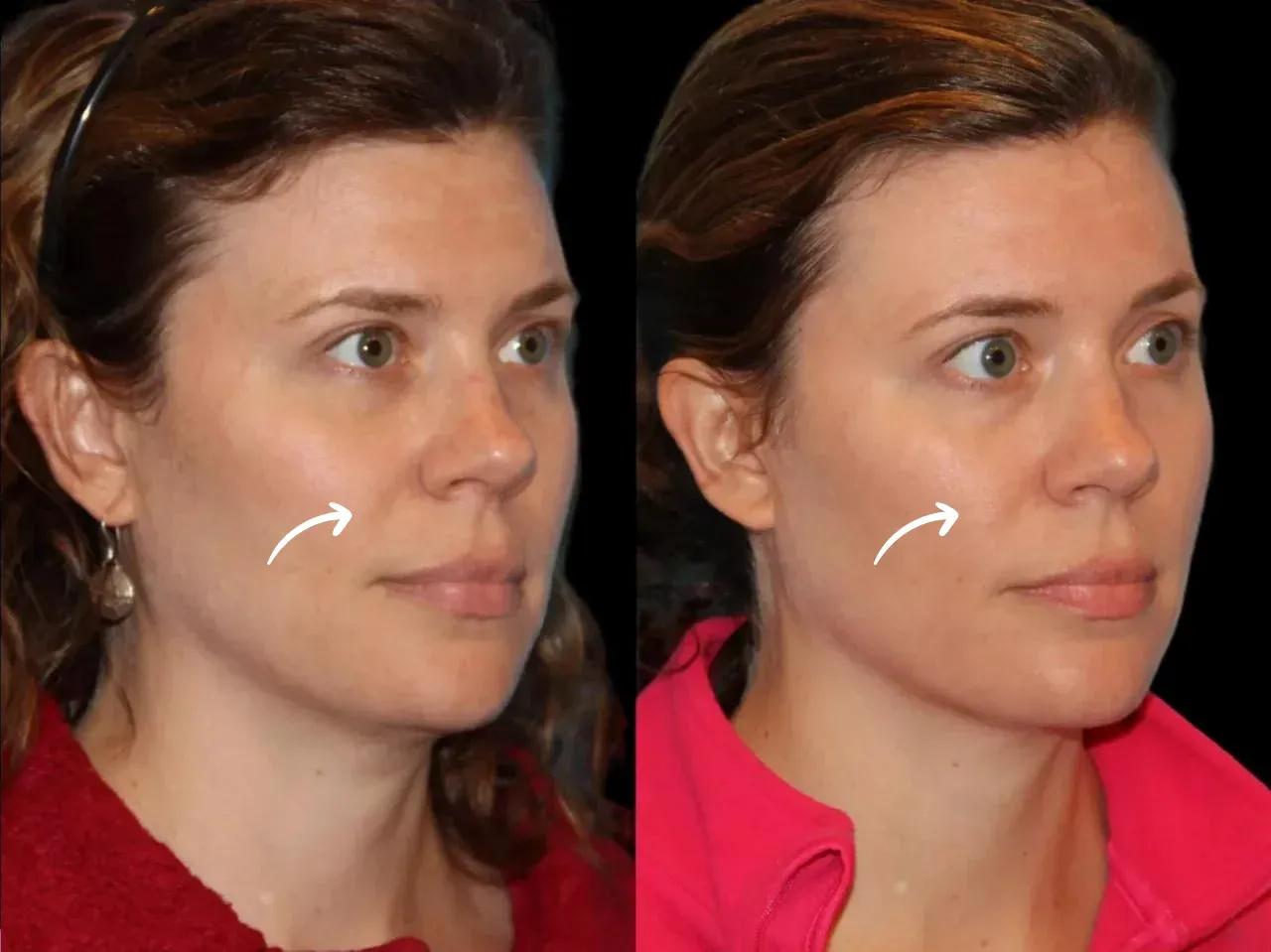
Smoother skin, improved facial volume, and a refreshed appearance are common aesthetic goals. However, achieving these results does not always require surgery or treatments that create immediate changes. Some non-surgical options work gradually by supporting the skin's natural collagen production, allowing improvements to develop over time. Sculptra is one such treatment that may help individuals address age-related volume loss and changes in skin quality. For individuals exploring sculptra in Dubai, understanding the treatment, its benefits, and its limitations is an important first step.
Understanding whether this treatment matches your expectations is an important part of making an informed aesthetic decision. Factors such as skin condition, facial structure, medical history, desired results, and treatment suitability all influence the outcome. Choosing an experienced practitioner is equally important, particularly when considering injectable procedures.
This guide explains how Sculptra works, who may benefit from it, what results to expect, and which factors to consider before treatment. It also explores how to evaluate a practitioner and determine whether this approach aligns with your personal skin goals.
How the Best Plastic Surgeon in Dubai Can Help You Evaluate Your Skin Goals
Choosing the Best Plastic Surgeon in Dubai involves more than looking at treatment popularity or before-and-after photographs. A qualified practitioner should evaluate your skin condition, facial proportions, medical history, and expectations before recommending an aesthetic procedure. This assessment helps determine whether collagen stimulation is appropriate or whether another treatment may better address your concerns.
Every individual has different aesthetic priorities. Some people want to improve facial volume, while others are concerned about skin texture, fine lines, or age-related changes. A proper consultation helps distinguish between concerns that may respond to collagen stimulation and those that require a different approach.
An individualized assessment should consider:
-
Skin Condition: The practitioner evaluates skin quality, elasticity, and visible signs of aging.
-
Volume Changes: Facial areas with reduced fullness are assessed to determine whether collagen stimulation may be beneficial.
-
Treatment Expectations: Desired improvements are discussed to establish realistic and achievable goals.
-
Medical History: Previous procedures, allergies, medications, and relevant health conditions are reviewed.
-
Treatment Suitability: The practitioner determines whether the proposed procedure is appropriate for the individual's circumstances.
A thoughtful treatment plan focuses on improving appearance while maintaining natural-looking facial proportions.
Understanding Sculptra and How It Supports Collagen Production
Sculptra is an injectable biostimulatory treatment containing poly-L-lactic acid (PLLA), a biodegradable synthetic material. Unlike conventional hyaluronic acid fillers, which primarily provide immediate volume through their gel structure, this treatment works by stimulating the body's collagen production over time.
Collagen is an important structural protein that contributes to skin firmness, elasticity, and support. As natural collagen levels change with age, the skin may gradually lose some of its firmness and facial fullness. This can contribute to wrinkles, hollow areas, and changes in facial contours.
The treatment introduces PLLA particles into targeted areas of the skin. These particles stimulate a controlled biological response that encourages collagen formation. As the body gradually processes the material, newly produced collagen can contribute to improvements in skin structure and volume.
How the Treatment Process Works
The procedure generally involves several stages:
1. Initial Assessment
The practitioner examines the treatment area, reviews medical history, and discusses the individual's aesthetic objectives.
2. Treatment Planning
The injection locations, product preparation, treatment intervals, and expected outcomes are determined according to individual needs.
3. Product Administration
The prepared solution is administered through carefully planned sculptra injections into selected areas. Treatment depth and placement depend on the anatomical area, product instructions, and individual treatment plan.
4. Gradual Collagen Stimulation
Following treatment, the body's natural response supports collagen production. Visible improvements develop progressively rather than appearing immediately.
5. Follow-Up Evaluation
The practitioner assesses progress and determines whether additional sessions are appropriate.
Understanding the Difference Between Sculptra and Traditional Fillers
Traditional hyaluronic acid fillers primarily provide volume through the gel material injected beneath the skin. Sculptra follows a different approach by stimulating the body's collagen production over time.
The term sculptra fillers is frequently used when researching injectable treatments, but understanding the distinction between collagen stimulators and conventional fillers is important. Similarly, sculptra dermal filler is a commonly searched treatment phrase, although Sculptra is more accurately described as a collagen-stimulating injectable rather than a conventional hyaluronic acid filler.
The most appropriate option depends on the patient's aesthetic concerns, treatment area, and desired results. A qualified practitioner can explain these differences and recommend an appropriate approach.
Why Results Develop Gradually
Unlike treatments designed to create an immediate filling effect, collagen-stimulating procedures depend on the body's natural regenerative processes. Consequently, improvements may take several weeks or months to become noticeable.
This gradual development can appeal to individuals who prefer subtle changes rather than a sudden difference in facial appearance. However, results vary according to age, skin condition, treatment area, product preparation, and individual biological response.
Is Sculptra Suitable for Your Skin Goals?
Not everyone has the same reasons for considering collagen stimulation. Some individuals want to address early signs of aging, while others are more concerned about reduced facial fullness or changes in skin firmness.
The treatment may be worth discussing with a qualified practitioner if your goals include:
-
Improving the appearance of age-related facial volume loss.
-
Supporting collagen production.
-
Addressing certain facial wrinkles and folds.
-
Improving the appearance of selected areas affected by reduced skin support.
-
Achieving gradual and subtle aesthetic improvements.
-
Maintaining natural-looking facial contours.
However, it is important to understand that this treatment does not address every skin concern. It is not a replacement for surgical lifting, treatments specifically designed for pigmentation, or procedures intended to correct significant excess skin.
Individuals Who May Benefit
Suitable candidates are generally adults who have realistic expectations and are interested in gradual improvements. People experiencing age-related volume changes or reduced skin support may be considered after an appropriate clinical assessment.
A practitioner should also establish whether the individual has any medical conditions, allergies, or other factors that could affect treatment safety.
When Another Treatment May Be More Appropriate
Some aesthetic concerns require different approaches. For example, significant skin laxity may require a lifting procedure, while deep structural volume deficiencies may need a different form of correction.
Individuals seeking immediate changes may also find that a collagen-stimulating approach does not match their expectations.
A consultation should establish the most appropriate option rather than assuming that one procedure can address every concern.
Choosing the Best Aesthetic Clinic in Dubai for Collagen-Stimulating Treatments
Selecting the Best Aesthetic Clinic in Dubai requires careful consideration of practitioner qualifications, clinical standards, treatment planning, and patient safety. A reputable clinic should explain the procedure clearly, discuss potential complications, and provide recommendations based on an individual's needs rather than general treatment trends.
When evaluating a clinic, consider the following factors:
Qualified Practitioners: Confirm that the professional performing the injections has the appropriate medical qualifications, relevant experience, and authorization to provide the proposed treatment.
Clinical Assessment: A proper consultation should include an examination of the treatment area, a review of medical history, and a discussion of realistic outcomes.
Product Knowledge: The practitioner should understand the product's preparation requirements, recommended use, and safety considerations.
Treatment Transparency: Patients should receive clear information about the procedure, expected recovery, possible side effects, and follow-up requirements.
Individualized Planning: Treatment recommendations should reflect facial anatomy, skin condition, and personal aesthetic goals.
At Perfect Doctors Clinic, patients can discuss their aesthetic concerns and explore available treatment options with Dr. Perfect Celebrity. The consultation process should focus on understanding individual expectations and determining whether the proposed approach is clinically appropriate.
What to Expect When Visiting a Sculptra Clinic in Dubai
Visiting a Sculptra Clinic in Dubai should begin with a detailed consultation rather than an immediate decision to proceed with injections. Choosing a Sculptra Clinic in Dubai also involves evaluating practitioner qualifications, treatment standards, product knowledge, and the quality of the consultation. The practitioner should explain how the product works, which areas may be treated, and what results can realistically be expected.
A well-organized appointment generally includes an examination, medical history review, discussion of treatment suitability, and an explanation of the proposed procedure.
Before proceeding, patients should have an opportunity to ask questions about:
-
The practitioner's experience with collagen-stimulating treatments.
-
The product being used and its preparation.
-
The number of sessions that may be required.
-
The expected timeline for visible improvements.
-
Possible side effects and complications.
-
Follow-up appointments and aftercare.
-
The total treatment expenses.
Clear communication helps patients understand the procedure and make decisions without feeling pressured.
Questions to Ask During Your Consultation
Consider asking whether your skin concerns are suitable for this approach, how many sessions may be recommended, and what alternatives are available.
You should also ask about the practitioner's experience with the specific treatment area and how potential complications are managed.
Understanding these details before proceeding can help establish realistic expectations and improve the overall treatment experience.
Facial Areas That May Be Addressed With Sculptra
Collagen-stimulating treatments may be considered for selected facial areas where volume loss and changes in skin support are visible. The appropriate treatment locations depend on anatomy, product instructions, and practitioner assessment.
Facial Volume and Contour
The sculptra face treatment approach may be considered for individuals experiencing age-related facial volume changes. Depending on the assessment, selected areas may be treated to support a more refreshed appearance.
The cheeks are one area where age-related volume changes can become noticeable. Treatment planning should account for facial proportions, existing volume, and the individual's desired appearance.
For patients concerned about reduced midface fullness, sculptra cheeks may be discussed as a possible treatment approach when clinically appropriate.
Neck Skin Concerns
Changes in collagen and skin elasticity can also affect the neck. Individuals interested in sculptra for neck treatment should undergo a careful assessment to determine whether the procedure is suitable for their specific concerns.
Not every neck-related concern can be addressed through injectable collagen stimulation. Significant loose skin or prominent structural changes may require alternative treatment options.
Understanding Body-Contouring Applications
Although facial rejuvenation is a common reason for considering this treatment, some individuals explore its use for selected body areas. These applications require separate assessments because body anatomy, treatment objectives, and product suitability differ from facial procedures.
Addressing Buttock Volume and Contour
People researching sculptra for buttocks may be interested in improving the appearance of selected areas without undergoing traditional surgical augmentation. However, body treatments require careful evaluation of product suitability, anatomical considerations, and potential risks.
The use of sculptra buttock injections should never be considered a routine alternative to surgery without a thorough medical assessment. Patients should discuss the available evidence, authorized product indications, and potential complications with an appropriately qualified practitioner.
Searches for buttocks sculptra often relate to concerns about volume, contour, and skin appearance. Nevertheless, suitability depends on individual anatomy and the intended treatment outcome.
Improving the Appearance of Hip Dips
Hip dips are natural indentations along the outer hip area caused by individual skeletal structure and the distribution of surrounding soft tissue.
Individuals researching sculptra for hip dips should understand that these anatomical features are normal and cannot always be completely corrected through injectable treatments.
A practitioner can explain whether any proposed approach is appropriate and discuss the limitations of non-surgical contouring.
Understanding Body Treatment Expectations
The term sculptra filler for buttocks is often used when researching non-surgical body contouring. However, the expected results, treatment suitability, and safety profile should be evaluated independently rather than assumed to be the same as facial applications.
Before considering this option, patients should discuss the intended injection area, product instructions, regulatory status, and available clinical evidence.
Sculptra Results: Timeline, Longevity, and Expectations
One of the most important considerations before treatment is understanding how results develop.
Because collagen production takes time, the initial appearance after injections should not be considered the final outcome. Temporary swelling or other injection-related effects may influence the early appearance of the treated area.
Early Treatment Period
Immediately after the procedure, patients may notice temporary fullness related to the injected solution and local swelling. This appearance can change as the body processes the injected material.
Gradual Improvement
Over the following weeks and months, collagen production may contribute to improved skin support and volume. The timing and extent of visible changes differ between individuals.
Maintaining Results
The longevity of results depends on several factors, including age, lifestyle, skin condition, treatment area, and individual response. Some patients may benefit from additional sessions, while others may require a different maintenance approach.
The practitioner should explain the expected treatment schedule and follow-up plan during the consultation.
Safety, Side Effects, and Important Considerations
As with other injectable procedures, collagen-stimulating treatments carry potential risks. Understanding these risks is essential before deciding whether to proceed.
Common temporary reactions may include:
-
Redness around injection sites.
-
Swelling.
-
Tenderness.
-
Bruising.
-
Mild discomfort.
Less common but more significant complications may include persistent lumps, nodules, inflammatory reactions, infection, and vascular complications. The risk depends on factors such as injection technique, anatomical placement, product preparation, and individual health circumstances.
How to Support a Safer Treatment Experience
Patients should disclose their medical history, current medications, allergies, and previous aesthetic procedures before treatment.
They should also confirm that the product is appropriate for the intended area and that the practitioner follows the manufacturer's preparation and administration instructions.
If unusual or worsening symptoms develop after the procedure, patients should contact their treating clinic promptly. Sudden vision changes, severe pain, or signs of a serious allergic reaction require immediate medical attention.
Preparation and Aftercare Before and After Treatment
Preparing appropriately can help patients understand the procedure and follow the recommended recovery plan.
Before Treatment
Patients should provide accurate medical information and discuss any previous injectable treatments. They should avoid withholding information about medications or health conditions that could influence the practitioner's recommendations.
The practitioner may provide specific instructions about medications, skincare products, or activities before the appointment. Patients should not stop prescribed medication without consulting the prescribing professional.
After Treatment
Aftercare instructions should always be based on the treating practitioner's guidance. General recommendations may include keeping the injection sites clean, avoiding unnecessary pressure, and following the recommended skincare routine.
Patients should also attend follow-up appointments when advised and avoid manipulating treated areas unless specifically instructed.
Understanding Sculptra Cost and Treatment Planning
The overall sculptra cost depends on several factors, including the number of treatment sessions, product quantity, treatment area, and individual clinical requirements.
When comparing treatment options, patients should consider more than the initial financial estimate. The total plan may include consultation, treatment sessions, and follow-up assessments.
The sculptra price should be discussed transparently before proceeding. Patients should ask what is included in the proposed treatment plan and whether additional sessions may involve separate expenses.
It is important to avoid choosing a practitioner based solely on lower prices. Qualifications, appropriate product use, clinical standards, and treatment safety should remain priorities.
Making an Informed Decision About Your Skin Goals
Deciding whether collagen stimulation is right for you requires a clear understanding of your concerns, expectations, and treatment options. While gradual collagen production may support improvements in selected areas, it cannot replace every aesthetic procedure or guarantee identical results for all individuals.
The most appropriate approach begins with a professional assessment that considers skin condition, facial anatomy, medical history, and desired outcomes.
A Celebrity Doctor in Dubai should still be evaluated on relevant medical qualifications, procedural experience, and commitment to patient safety rather than reputation alone.
Ultimately, the right treatment is one that suits your individual needs and offers realistic benefits without unnecessary intervention. Taking time to understand the procedure and discussing your concerns with a qualified practitioner can help you make a confident and informed decision.
Frequently Asked Questions
1. What Is Sculptra Used For?
Sculptra is an injectable collagen stimulator used to address selected signs of age-related volume loss and improve skin support. Its effects develop gradually as the body produces collagen.
2. How Long Does It Take to See Results?
Results generally develop over several weeks to months. The timeline varies depending on individual collagen response, treatment area, and the number of recommended sessions.
3. Is Sculptra Suitable for Everyone?
No. Suitability depends on medical history, skin condition, treatment objectives, and other clinical factors. A qualified practitioner should assess each patient before recommending treatment.
4. How Many Treatment Sessions Are Usually Needed?
The number of sessions varies according to individual needs, the treatment area, and the desired outcome. The practitioner establishes an appropriate schedule following the initial assessment.
5. Is the Treatment Painful?
Patients may experience mild discomfort during injections. The level of discomfort depends on individual sensitivity, the treatment area, and the techniques used by the practitioner.
6. Can Sculptra Replace Traditional Dermal Fillers?
No. Sculptra works differently from conventional hyaluronic acid fillers. It stimulates collagen production rather than providing the same immediate gel-based filling effect.
7. Can Sculptra Be Used for Body Contouring?
Some body-contouring applications may be discussed in selected circumstances. However, patients must understand the product's authorized indications, available clinical evidence, and area-specific safety considerations before considering treatment.
8. Is There Any Downtime After Treatment?
Downtime is generally limited, although temporary swelling, redness, bruising, and tenderness may occur. Recovery experiences vary, and patients should follow their practitioner's aftercare instructions.
9. Can the Results Look Natural?
Gradual collagen stimulation may support subtle improvements in skin appearance and volume. Natural-looking results depend on appropriate patient selection, product preparation, injection technique, and individualized treatment planning.
10. How Can I Determine Whether This Treatment Matches My Skin Goals?
Start with a consultation involving a qualified practitioner. Discuss your concerns, medical history, expectations, and available alternatives. A personalized assessment can help determine whether this procedure is appropriate or whether another option may better meet your needs.