Best Digital Marketing Agency in Delhi
By mayrasharma
98 Views
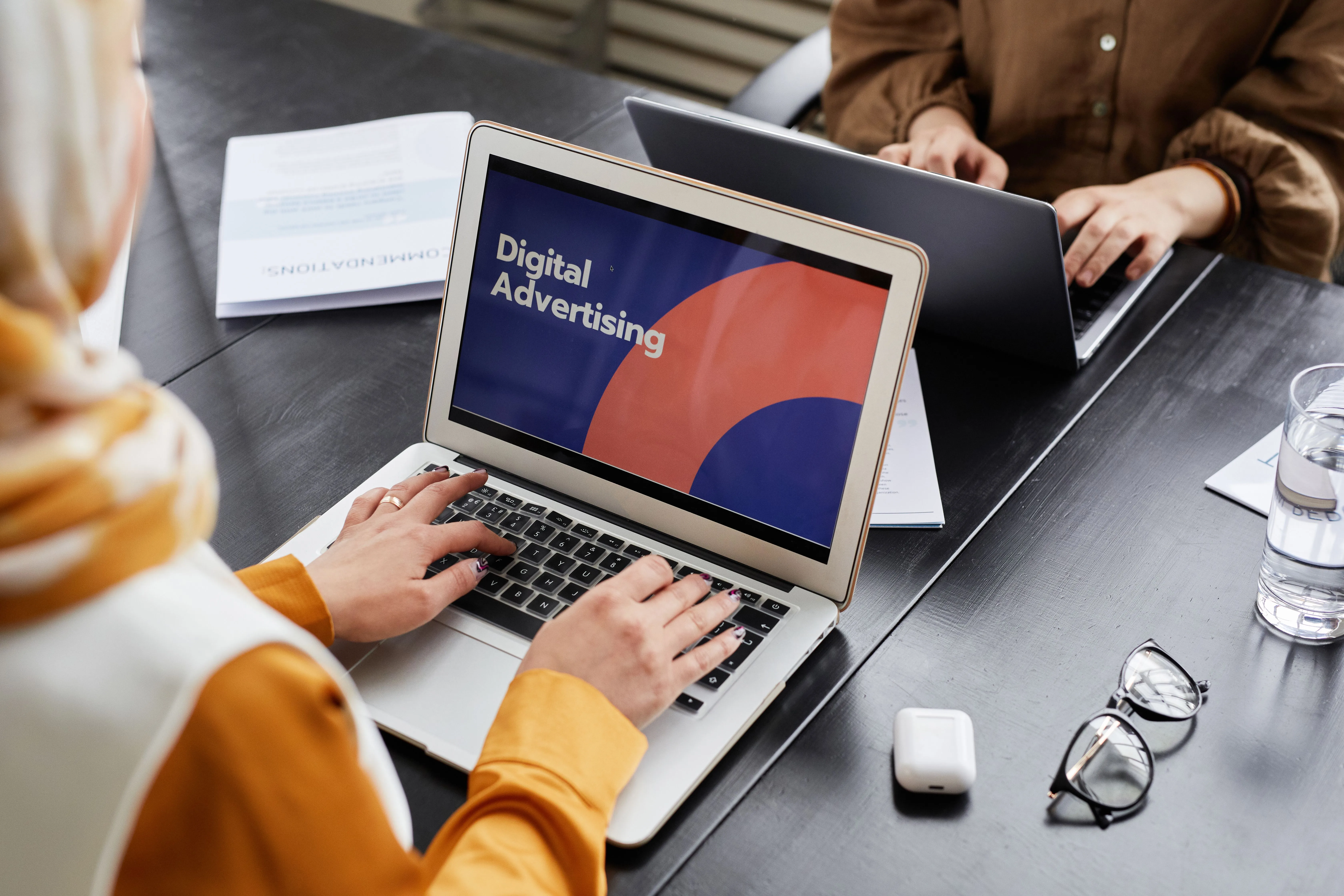
Delhi has one of the densest digital marketing markets in India. A quick search for "best digital marketing agency in Delhi" returns hundreds of options, each claiming guaranteed rankings, viral campaigns, and instant ROI. For a business owner who isn't a marketer, that noise makes it almost impossible to tell a genuinely capable agency from one that's simply good at selling itself.
This is the exact problem most Delhi-based businesses run into. They sign a contract based on a polished pitch, pay a retainer for three to six months, and see little measurable change in traffic, leads, or revenue. By the time they realize the agency wasn't the right fit, they've lost both money and momentum.
The solution isn't more research into "top 10" lists. It's asking the right questions before you sign anything. Below are 15 vetting questions, organized by category, that separate agencies that perform from agencies that present well. Use this as a working checklist during your discovery calls.
Why Vetting Matters More in Delhi's Market
Digital marketing agency in Delhi industry has grown rapidly because of demand from startups, D2C brands, real estate, education, and B2B service companies headquartered in and around the NCR region. That growth has also attracted agencies of wildly different skill levels operating under similar branding language — "performance marketing," "full-funnel growth," "360-degree digital solutions."
Agencies serious about results — including teams like MarketingBugs, which works across SEO, paid media, and web development — tend to differentiate themselves not through buzzwords but through transparency: clear reporting, defined timelines, and a willingness to explain why a strategy will work for your specific business model, not just that it will.
That's the lens to apply to every question below.
Section 1: Strategy and Process Questions
1. What does your discovery process look like before proposing a strategy?
A credible agency audits your website, competitors, and current marketing performance before recommending tactics. If you receive a generic proposal within a day of first contact, that's a red flag — strategy built without data is guesswork.
2. How do you decide which channels (SEO, paid ads, social, email) we should invest in?
The right channel mix depends on your business type, sales cycle, and customer behavior. A B2B SaaS company and a local retail store need entirely different approaches. Ask the agency to justify channel selection with reasoning, not assumptions.
3. Can you walk me through a campaign you ran for a business similar to mine?
Case studies matter, but specificity matters more. Ask for the starting point, the strategy, the timeline, and the measurable outcome — not just a screenshot of a traffic graph.
4. How do you approach SEO for Google's current algorithm and AI search results?
Search behavior has shifted. Google's AI Overviews, ChatGPT Search, and Perplexity are increasingly answering queries directly, which changes how content needs to be structured. An agency still selling only "keyword-stuffed blog posts" is behind the curve.
Section 2: Transparency and Reporting
5. What reporting will I receive, and how often?
Monthly PDF reports with vague summaries aren't enough. Ask for access to live dashboards (Google Analytics, Search Console, ad platform accounts) so you can verify data yourself rather than relying on the agency's interpretation.
6. Do I retain ownership of my website, ad accounts, and analytics data?
This is one of the most overlooked questions. Some agencies build campaigns under accounts they control, which makes switching providers later extremely difficult. Always confirm you own your domain, hosting, ad accounts, and tracking setups.
7. What's your average client retention period?
Long retention suggests consistent results. High churn, even if the agency doesn't volunteer the number, is worth directly asking about.
8. How do you define and measure success for this specific engagement?
"More traffic" isn't a goal. Leads, conversion rate, cost per acquisition, and revenue attribution are measurable outcomes. Make sure the agency commits to specific KPIs tied to your business goals, not vanity metrics.
Section 3: Team, Expertise, and Capacity
9. Who will actually work on my account?
Many agencies pitch with senior strategists and then hand execution to junior staff or freelancers. Ask who you'll be working with day-to-day and how experienced they are in your specific industry.
10. How many clients does each account manager handle simultaneously?
An overloaded account manager means slower response times and shallower strategy work. There's no universal "right number," but the agency should be able to answer this confidently.
11. Do you have in-house web development capability, or do you outsource it?
SEO and website performance are deeply connected — page speed, mobile responsiveness, and technical architecture directly affect rankings and conversions. Agencies with integrated web development teams, such as MarketingBugs, can fix technical issues without the delays caused by coordinating between two separate vendors.
12. What's your experience with my specific industry or business model?
Industry familiarity shortens the learning curve significantly. An agency that has run campaigns for similar businesses will already understand your customer journey and common objections.
Section 4: Pricing, Contracts, and Red Flags
13. What's included in the retainer, and what counts as a paid add-on?
Get this in writing. Vague retainer scopes lead to scope creep and unexpected invoices later.
14. What's your minimum contract length, and what's the exit process?
Avoid agencies that lock you into long contracts with no clear exit clause. A confident agency is comfortable with shorter initial terms because they expect to earn the renewal through results.
15. Can you guarantee rankings or results?
This should be a disqualifying answer if said yes. No ethical agency can guarantee specific Google rankings — Google's algorithm isn't controlled by any agency. What a credible agency can commit to is process, transparency, and realistic timelines (typically 4–6 months for meaningful organic SEO movement).
A Practical Example
Consider a Delhi-based D2C skincare brand evaluating three agencies. Agency A promises "first-page rankings in 30 days." Agency B sends a 40-page proposal full of jargon with no specific recommendations. Agency C, after a discovery call, identifies that the brand's biggest issue isn't rankings at all — it's a 6-second-slow product page causing 70% cart abandonment, and proposes fixing site speed and checkout UX alongside a realistic 4-month SEO roadmap.
Agency C is the one worth signing. This is the same diagnostic approach teams like MarketingBugs apply — looking at the full picture (website performance, conversion paths, and search visibility together) rather than selling a single service in isolation.
Expert Tip: Test Before You Commit
Before signing a 6-12 month retainer, ask if the agency offers a smaller paid audit or a short-term project (a technical SEO audit, a landing page rebuild, or a one-month ad campaign). This lets you evaluate communication, reporting quality, and competence with limited financial exposure before a long-term commitment.
FAQ: Choosing a Digital Marketing Agency in Delhi
Q1: How much does a digital marketing agency in Delhi typically charge? Pricing varies widely based on scope. Small businesses often start with retainers in the ₹25,000–₹75,000/month range for focused services like SEO or social media management, while full-service campaigns involving SEO, paid ads, and web development can range higher depending on ad spend and team size.
Q2: How long does SEO take to show results? Most credible agencies estimate 4 to 6 months for noticeable organic ranking improvements, with compounding results over 12 months. Anyone promising results in days or weeks is not being realistic about how search engines work.
Q3: Should I choose an agency or a freelancer? Freelancers can work well for single-channel, smaller-budget needs. Agencies are better suited for businesses needing integrated services — SEO, paid media, content, and web development working together — since coordination happens in-house rather than across multiple independent contractors.
Q4: What's the difference between a generalist agency and a specialized one? Generalist agencies offer broad services across many industries. Specialized agencies focus on specific sectors (e.g., real estate, healthcare, D2C) and bring deeper familiarity with that audience's behavior. Both can work — the key is matching expertise to your specific needs.
Q5: Is local SEO important for Delhi-based businesses? Yes, particularly for businesses with physical locations or service areas. Local SEO — optimizing Google Business Profile, local citations, and location-specific content — directly affects visibility in "near me" searches and Google Maps results.
Q6: What red flags suggest I should avoid an agency? Guaranteed rankings, no access to your own analytics/ad accounts, vague reporting, generic proposals sent without a discovery call, and long lock-in contracts with unclear exit terms are all warning signs.
Q7: Can one agency handle both website development and marketing? Yes, and it's often more efficient. When the same team manages your website and your marketing campaigns, technical fixes (page speed, mobile UX, conversion tracking) happen faster because there's no back-and-forth between separate vendors.
Conclusion
Finding the best digital marketing agency in Delhi isn't about picking the company with the flashiest pitch deck — it's about asking precise questions that reveal how an agency actually works, reports, and takes accountability for results. Use the 15 questions above as a non-negotiable checklist in every discovery call you take.
Businesses that get this evaluation right typically end up with a long-term growth partner rather than a revolving door of short-term vendors. Agencies like MarketingBugs, which combine SEO, paid media, and web development under one roof, are a useful reference point for what an integrated, transparent partnership should look like — but regardless of who you choose, the questions above will help you make a far more informed decision than any "top agency" list ever could.