Best Cigar Accessories Every Smoker Needs
By Nikki Freeman
2 Views
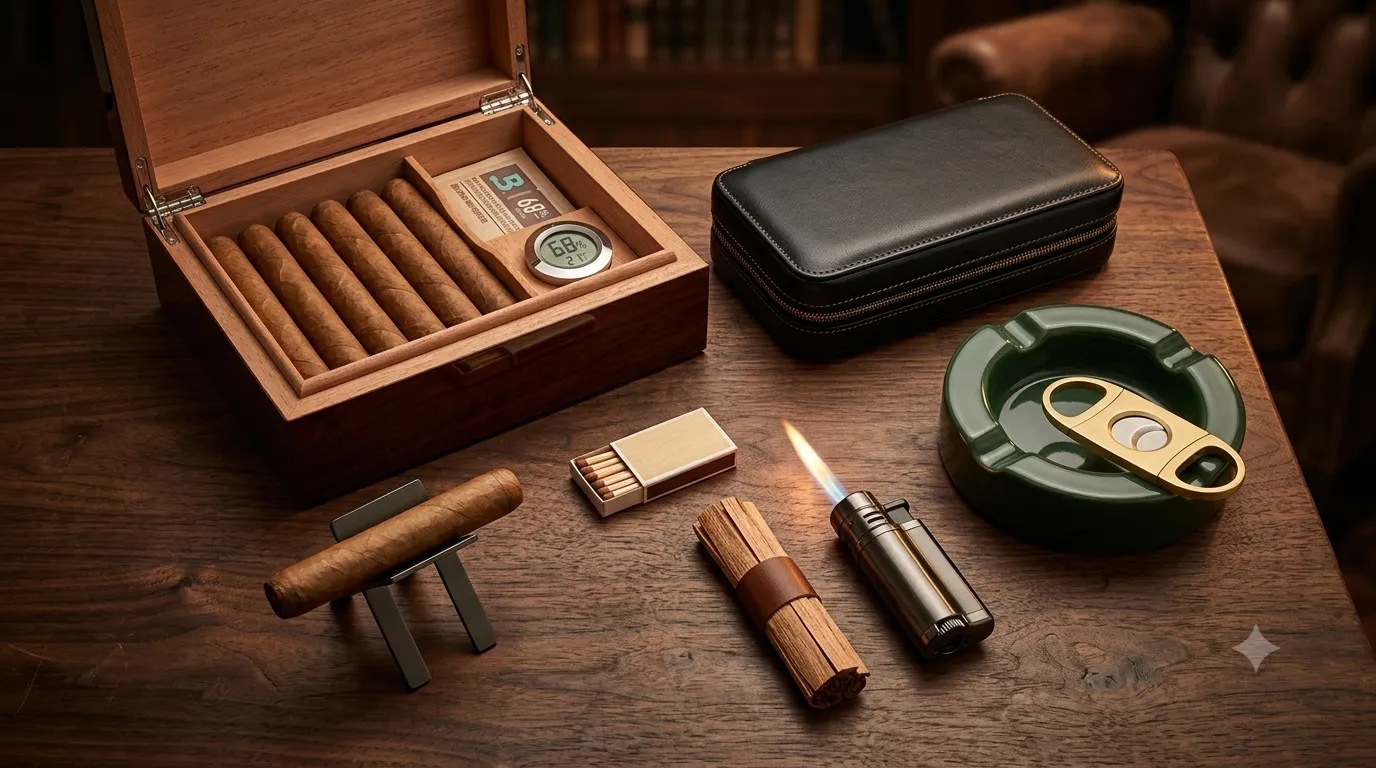
A good cigar experience depends on more than the cigar itself. Proper tools protect construction, improve burning, and simplify storage. They also help smokers avoid uneven cuts, weak flames, damaged wrappers, and dry tobacco.
Choosing dependable Smoking Accessories can make every session more organised, consistent, and enjoyable. However, expensive equipment is not always necessary. Quality, reliability, and practical design matter more than luxury branding.
Beginners usually need only a cutter, lighter, ashtray, and suitable storage. Experienced smokers may also value travel cases, stands, draw tools, and humidity monitors.
This guide explains the most useful cigar accessories. It also covers their benefits, common types, and important buying considerations.
Cigar smoking carries serious health risks. Tobacco smoke contains nicotine and harmful chemicals, even without inhalation. No tobacco product is risk-free.
1. A Sharp Cigar Cutter
A cigar cutter is one of the most important tools. It opens the cigar head without damaging the wrapper.
A clean cut supports proper airflow. It also reduces loose tobacco and prevents the cap from tearing.
Poor cutters may crush the cigar. Dull blades can also create jagged edges and an uncomfortable draw.
Several cutter styles are available. Each design produces a slightly different opening.
Double-Blade Guillotine Cutter
A double-blade guillotine cuts from both sides. Therefore, it usually creates a clean and balanced opening.
This design works with many common cigar sizes. It is also simple enough for beginners.
Choose stainless steel blades with smooth movement. The opening should comfortably fit your preferred ring gauge.
V-Cutter
A V-cutter removes a wedge-shaped section from the cap. It creates a focused channel through the cigar head.
Many smokers prefer this cut because it preserves more of the cap. It may also reduce loose tobacco.
However, deep V-cuts can concentrate smoke. Therefore, beginners should avoid pressing excessively into the cigar.
Punch Cutter
A punch removes a small circular section from the cap. It creates a controlled and slightly tighter draw.
Punch cutters are compact and easy to carry. Some are built into lighters or keychains.
However, they do not suit every cigar shape. They are generally unsuitable for pointed torpedo-style cigars.
Cigar Scissors
Cigar scissors offer excellent control when used properly. Their sharp blades can create precise, customised cuts.
However, they require steady hand positioning. Therefore, they may not be ideal for first-time smokers.
2. A Reliable Butane Lighter
A dependable lighter helps create an even and controlled burn. Clean butane is usually preferred for cigar lighting.
Petrol-based lighters can produce noticeable fuel aromas. These smells may affect the cigar’s opening flavours.
Choose a lighter with adjustable flame control. This feature helps manage different cigar sizes and weather conditions.
Soft-Flame Lighters
Soft-flame lighters produce gentle heat. They work well indoors and inside sheltered smoking areas.
Their wider flame supports gradual toasting. However, strong wind can make them difficult to use.
Single-Torch Lighters
A single torch produces a concentrated flame. It provides accuracy and performs well outdoors.
This design works for most cigar sizes. It also helps correct small areas of uneven burning.
Keep the flame away from the wrapper. Direct contact may scorch the tobacco and create bitterness.
Double-Torch and Triple-Torch Lighters
Multiple flames light larger cigar feet more quickly. They can also perform better during windy conditions.
However, they produce significant heat. Beginners may accidentally overheat or blacken the cigar.
Use short flame bursts and rotate the cigar continuously. Avoid placing the foot inside the flame.
3. A Proper Cigar Ashtray
Cigar ashtrays are wider than cigarette ashtrays. They also include larger rests for thick cigar bodies.
A stable ashtray protects furniture and catches falling ash. It also keeps burning tobacco away from unsafe surfaces.
Choose a model made from ceramic, glass, metal, or stone. The base should remain steady during use.
Deep bowls are useful during long sessions. They prevent ash from spreading across the table.
Some ashtrays include several cigar rests. These designs work well during group gatherings or lounge settings.
Clean the ashtray after every session. Old ash can create stale odours and affect the surrounding environment.
4. A Humidor for Long-Term Storage
Cigars react to changes in humidity and temperature. Poor storage can damage flavour, texture, and burn performance.
A humidor helps maintain a more stable environment. It reduces dryness, wrapper cracking, and excessive moisture exposure.
Wooden humidors often use Spanish cedar lining. This material supports humidity control and provides a pleasant aroma.
Before storing cigars, prepare the humidor correctly. An unprepared wooden interior may absorb moisture from the cigars.
Avoid wiping the interior with excessive water. Sudden moisture can warp wood and create unstable conditions.
Humidor capacity also matters. Do not pack cigars so tightly that airflow becomes restricted.
Leave some open space between cigars. This arrangement supports more consistent humidity circulation.
5. Humidity Packs
Humidity packs provide a simple method for maintaining moisture. They are useful inside humidors and airtight containers.
These packs regulate humidity without manual refilling. Therefore, they are practical for beginners and frequent travellers.
Choose a humidity level that suits your cigars and climate. Many smokers prefer levels within the upper sixties.
Replace packs when they become firm or exhausted. Their service life depends on container size and surrounding conditions.
Do not combine different humidity levels inside one container. Competing packs may reduce effectiveness and shorten their lifespan.
6. A Digital Hygrometer
A hygrometer measures relative humidity inside a humidor. Digital models are generally easier to read than analogue versions.
Accurate monitoring helps prevent dry or overly moist cigars. It also reveals problems before visible damage appears.
Choose a compact unit with clear numbers. Some models also display temperature and recent humidity changes.
Place the hygrometer where it remains visible. However, avoid blocking airflow around the sensor.
Check its accuracy before relying on it. Even new hygrometers may require calibration or comparison testing.
7. A Travel Humidor
A travel humidor protects cigars during journeys. It shields them from crushing, drying, and rapid environmental changes.
Hard-shell models provide excellent physical protection. Many include foam inserts that keep cigars separated.
Select a capacity that matches your usual travel needs. Carrying excessive empty space may allow cigars to move.
Include a small humidity pack during longer trips. However, short journeys may not require active humidification.
Keep the case away from direct sunlight. Vehicle interiors can become extremely hot and damage stored cigars.
8. A Leather Cigar Case
Leather cases offer a slimmer alternative for short outings. They usually carry one, two, or three cigars.
These cases look refined and fit easily inside a jacket or bag. However, they provide limited humidity control.
Use them for same-day transport rather than long-term storage. Choose a firm structure that resists accidental pressure.
Some cases use cedar lining. This addition can protect wrappers and provide a traditional cigar aroma.
Check the interior dimensions carefully. Thick cigars may not fit inside narrow tubes.
9. Cigar Tubes
Individual cigar tubes provide portable protection. They help prevent wrappers from cracking during transport.
Metal tubes offer strong physical protection. Glass tubes allow easy inspection but require careful handling.
Some tubes include cedar lining or space for humidity support. However, most are intended for temporary use.
Clean reusable tubes regularly. Old tobacco fragments and moisture can create unwanted smells.
Never store a hot or partially smoked cigar inside a sealed tube. Heat and residue can damage the container.
10. A Cigar Stand
A cigar stand holds the cigar above the table. It keeps the wrapper away from dirt, moisture, and rough surfaces.
Portable stands are especially useful outdoors. They are also helpful when an ashtray lacks a suitable rest.
Some models fold into a compact shape. Others attach to keychains or fit inside travel cases.
Choose a wide base for better stability. Narrow stands may tip when supporting heavier cigars.
Avoid placing the stand near table edges. A small movement could send the cigar onto the floor.
11. Long Wooden Matches
Long wooden matches offer a traditional lighting method. They produce a soft flame and allow gradual toasting.
Wait until the match head finishes burning. This step reduces sulphur exposure near the cigar.
Larger cigars may require several matches. Use fresh matches rather than rushing with a weakening flame.
Store matches somewhere dry. Moisture can affect ignition and produce inconsistent burning.
Wind-resistant matches are generally unsuitable. Their strong chemical coating may create unwanted aromas.
12. Cedar Spills
Cedar spills are thin pieces of cedar used for lighting cigars. They create a slow and aromatic flame.
First, light the cedar using a match or lighter. Then use the cedar flame to toast the cigar.
This method keeps the lighter away from the cigar. It also creates a traditional and deliberate experience.
However, cedar spills create ash and sparks. Use them above a suitable ashtray and away from flammable materials.
They are less convenient outdoors. Wind can bend the flame and scatter burning particles.
13. A Draw Enhancement Tool
Sometimes a cigar feels excessively tight after cutting. A draw tool can open blocked airflow through the filler.
These tools use a thin rod or specialised tip. The rod creates a controlled channel through packed tobacco.
Insert the tool carefully through the cigar head. Aggressive pressure can crack the wrapper or damage the filler.
Use this accessory only when necessary. A naturally firm draw does not always require correction.
Draw tools cannot repair every construction problem. Some severely blocked cigars may remain difficult to smoke.
14. Cigar Glue
Cigar glue helps repair small wrapper tears. It can also secure a loose cap or lifting wrapper edge.
Purpose-made adhesive is usually tasteless and food-safe. It dries clearly and should not affect flavour.
Apply only a small amount. Excessive glue may create visible residue or restrict wrapper combustion.
Press the damaged section gently into place. Then allow enough drying time before lighting the cigar.
This tool works best for minor damage. Large cracks may continue spreading despite careful repairs.
15. A Small Spray Bottle With Distilled Water
Distilled water may support certain humidification systems. However, it should never be sprayed directly onto cigars.
Tap water contains minerals and possible contaminants. These substances may damage humidifiers or create unwanted odours.
Use distilled water only when the humidifier requires it. Many modern humidity packs need no added water.
Do not soak humidification devices. Excess moisture can create unstable humidity and increase mould risks.
Follow the manufacturer’s directions carefully. Different systems require different maintenance methods.
16. A Humidor Organiser
Dividers and trays help organise cigars inside larger humidors. They separate sizes, wrappers, blends, or purchase dates.
Organisation reduces unnecessary handling. It also helps smokers locate cigars without keeping the lid open.
Cedar dividers may support the humidor environment. However, they should not block internal air circulation.
Avoid overcrowding trays. Cigars need enough room to prevent wrapper pressure and surface damage.
Label sections outside the humidor when possible. Internal paper labels may absorb moisture or transfer odours.
17. A Cigar Journal
A cigar journal helps record personal preferences. Notes can include size, origin, wrapper, strength, burn, and flavour.
Written records make future purchasing easier. They also reveal patterns that memory may overlook.
Keep descriptions simple and personal. Terms like creamy, woody, earthy, sweet, or peppery are perfectly useful.
Record storage conditions when relevant. A cigar may perform differently after humidity changes.
Digital notes also work well. However, a dedicated notebook can become part of the overall ritual.
18. A Quality Cleaning Cloth
A soft cloth keeps cutters, cases, lighters, and ashtrays clean. Regular cleaning also protects finishes and moving parts.
Use a dry microfiber cloth for polished metal. Avoid harsh chemicals near tobacco or cigar storage.
Remove tobacco fragments from cutter blades after use. Residue can reduce blade movement and cutting performance.
Clean lighter surfaces without blocking flame jets. Never clean a lighter while it remains hot.
Wash ashtrays separately from food utensils. Tobacco residue can leave strong and persistent odours.
19. Lighter Fuel and Maintenance Tools
A refillable lighter needs clean butane. Low-quality fuel may contain impurities that block jets.
Use manufacturer-recommended fuel whenever possible. Also, refill the lighter away from heat and open flames.
Some lighters require occasional air purging. Trapped air can weaken flame output and cause inconsistent ignition.
A small cleaning brush can remove visible debris. However, avoid pushing objects into delicate lighter components.
Store butane safely and upright. Keep it away from children, sunlight, sparks, and heated surfaces.
20. A Comfortable Outdoor Setup
Not every useful accessory fits inside a case. A suitable chair and stable table can improve outdoor sessions significantly.
Wind can affect burn speed and smoke direction. A sheltered location provides better flame control and greater comfort.
An outdoor fan may redirect smoke. However, strong airflow can also create uneven burning.
Keep water nearby for hydration and fire safety. Always extinguish nearby burning material before leaving.
Respect local smoking regulations and surrounding people. Avoid smoking near children, entrances, windows, or crowded dining areas.
How to Choose Cigar Accessories
Start with the tools that solve basic needs. A cutter, lighter, ashtray, and storage solution should come first.
Choose accessories based on how often you smoke. Occasional smokers may need fewer tools than regular collectors.
Consider portability before purchasing. Large desktop accessories may not suit frequent travel.
Read dimensions carefully. Cutters, cases, and stands must support your preferred cigar sizes.
Durability should matter more than decorative details. Reliable equipment often provides better long-term value.
Buy from reputable retailers. Poorly made accessories can damage cigars or create safety concerns.
Essential Accessories for Beginners
A beginner can start with four basic items. Choose a sharp guillotine cutter and an adjustable butane lighter.
Add a stable cigar ashtray. Then use a small humidor or airtight storage container.
Include humidity packs for simpler moisture control. A digital hygrometer can provide additional monitoring.
These tools cover cutting, lighting, smoking, and storage. Additional accessories can be added gradually.
Accessories for Frequent Travellers
Travellers should prioritise protection and portability. A hard travel humidor offers strong overall protection.
Add a compact cutter and reliable torch lighter. Remember that airline restrictions may affect lighter transportation.
A folding cigar stand can save space. Individual tubes may also protect selected cigars.
Check current transportation rules before travelling. Regulations can vary between airlines, airports, and countries.
Accessories That Are Helpful but Optional
Cedar spills, cigar scissors, and draw tools are useful. However, they are not essential for every smoker.
Luxury ashtrays and decorative humidors can improve presentation. They do not automatically improve cigar performance.
Focus first on sharp blades and stable humidity. These factors have greater practical value than premium branding.
Upgrade accessories after understanding your preferences. This approach prevents unnecessary spending.
Common Accessory Buying Mistakes
Avoid choosing a cutter based only on appearance. Blade sharpness and alignment matter more than decoration.
Do not buy an oversized humidor without considering maintenance. Large empty spaces may require more humidity control.
Avoid extremely powerful lighters without flame adjustment. Excessive heat can scorch cigars quickly.
Do not assume every case provides humidity protection. Many leather cases are designed only for short transport.
Finally, avoid collecting tools you never use. A smaller reliable kit is usually more practical.
Frequently Asked Questions
What Cigar Accessories Does a Beginner Need?
A beginner needs a cutter, butane lighter, ashtray, and storage container. Humidity packs are also very useful.
Which Cigar Cutter Is Best?
A sharp double-blade guillotine works well for most beginners. It supports many cigar sizes and creates a clean cut.
Are Torch Lighters Safe for Cigars?
Yes, when used correctly. Keep the torch away from the wrapper and rotate the cigar during lighting.
Do Cigars Need a Humidor?
Long-term storage usually requires controlled humidity. Airtight containers with humidity packs can provide a practical alternative.
How Often Should a Hygrometer Be Checked?
Check it regularly, especially during seasonal changes. Sudden weather changes can affect the humidor environment.
Is a Travel Humidor Worth Buying?
It is useful for frequent travellers. It protects cigars from crushing, dryness, and changing temperatures.
Can Regular Ashtrays Hold Cigars?
Some can, but cigar ashtrays provide wider rests. They also accommodate longer ash and thicker cigar bodies.
Conclusion
The best cigar accessories protect cigars and improve consistency. They should support cutting, lighting, storage, and safe handling.
Start with a sharp cutter, reliable lighter, stable ashtray, and controlled storage. These items cover the most important needs.
Afterward, add travel cases, stands, journals, or repair tools. Choose each product according to your actual habits.
Reliable accessories do not need excessive decoration. Practical design, durability, and proper maintenance provide greater value.
Most importantly, use every tool carefully. Proper handling protects the cigar, surrounding surfaces, and other people.