Before You Buy a Shawl in Pakistan, Check These 5 Things Nobody Tells You
By Micael Stone
115 Views
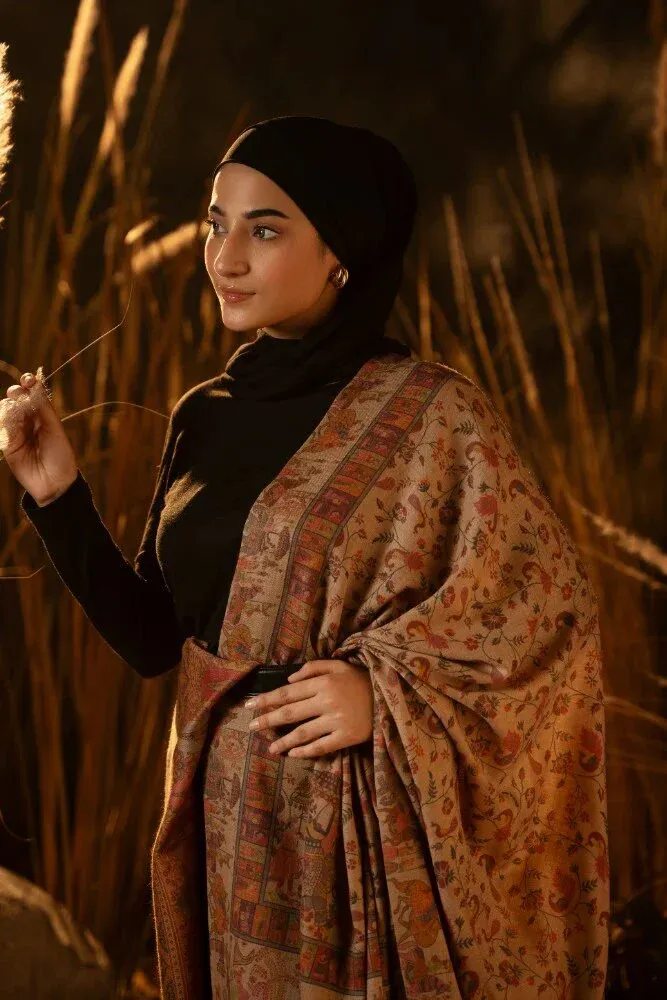
Buying a shawl in Pakistan looks simple until you start comparing different options closely.
One shawl feels soft. Another looks heavier. A third costs much more because it is described as handmade or Pashmina. At first, these differences may seem small, but they can completely change the comfort, warmth, durability, and value of what you are buying.
That is why a good shawl should never be judged by colour and softness alone.
A beautiful design can still hide weak fabric. A soft surface can come from synthetic fibres or finishing treatments. A higher price can reflect genuine craftsmanship, but it can also come from branding and presentation.
The market itself is large and varied. According to the Pakistan Bureau of Statistics, Pakistan’s textile exports reached about US$17.932 billion in FY2025-26, compared with US$17.887 billion in the previous financial year. These figures cover the wider textile industry, not shawls alone, but they show how many different materials, production methods, and quality levels exist in the market.
That variety gives buyers more choice, but it also makes quality harder to judge.
After hours of research into wool standards, cashmere definitions, shawl production, fibre performance, and care practices, five checks stand out as the most useful.
Before buying shawls in Pakistan, these are the five things worth understanding properly.
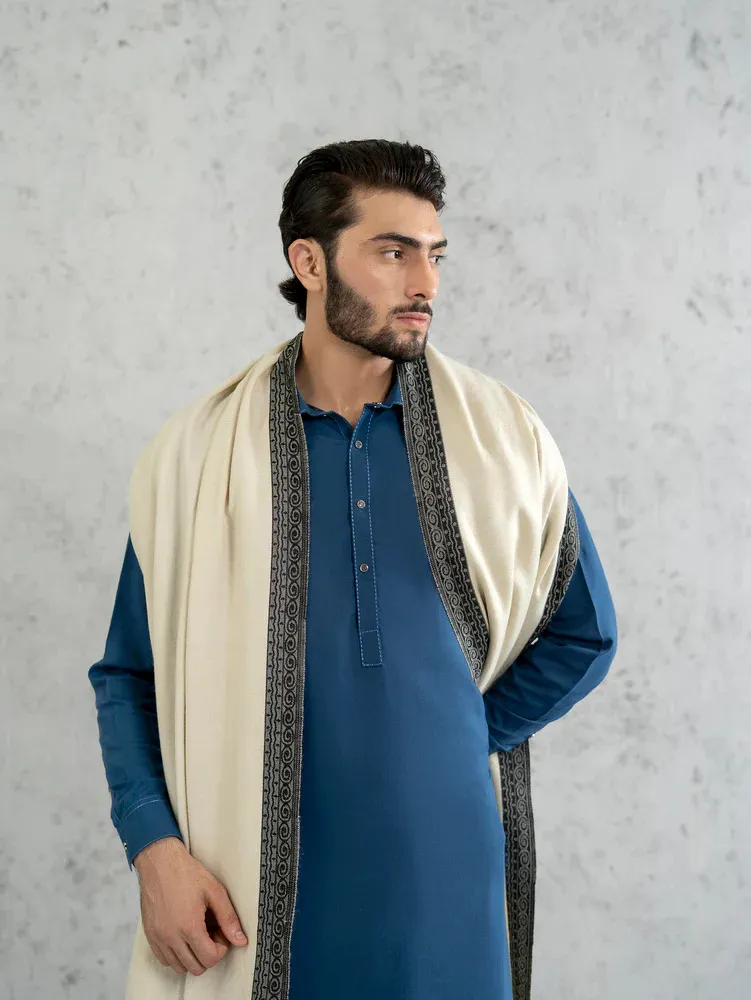
1. Check the Actual Fibre Before You Judge the Softness
The first thing most people do is touch the shawl.
If it feels soft, they assume it must be high quality.
That is not always true.
Softness can come from many sources. Synthetic fibres can feel smooth. Blended fabrics can feel comfortable. Some finishing processes can also make new fabric feel softer than it really is over time.
This is why the material description matters more than the first touch.
Wool is a broad fibre category, while cashmere has a much more specific definition.
According to the U.S. Federal Trade Commission, cashmere must come from the fine dehaired undercoat of a cashmere goat. The average fibre diameter must be 19 microns or less, while no more than 3% by weight of the fibres can have an average diameter above 30 microns.
That technical definition leads to a simple buying lesson.
You cannot confirm cashmere by touch alone.
A shawl may feel very soft and still contain another fibre or a blend. That does not automatically make it poor quality, but you should know what you are paying for.
If you are shopping online, read the material details carefully. If you are buying in person, ask exactly what the shawl contains.
Clear fibre descriptions are useful because they give you something specific to judge.
“100% wool” tells you one thing.
“70% wool and 30% cashmere” tells you something more precise.
Words such as “premium,” “luxury fabric,” or “Pashmina feel” may sound attractive, but they do not explain the actual fibre content.
The word Pashmina deserves the same attention because it is used in different ways in the market. Some sellers use it for very fine cashmere, while others may use it for cashmere and silk blends.
This does not mean the term itself is unreliable.
It simply means the name should not replace the fibre details.
When you are paying more because a shawl is described as cashmere or Pashmina, the exact composition matters far more than the label.
2. Find Out What “Handmade” Really Means
The word handmade can add a lot of value to a shawl.
It suggests skill, tradition, time, and detailed work.
But handmade can mean different things depending on how the shawl was produced.
One shawl may be fully handwoven.
Another may be machine woven and then hand embroidered.
A third may involve hand finishing only at the final stage.
These differences matter because a shawl can pass through several steps before it reaches the customer. The yarn may be spun by hand or machine. The fabric may be woven on a handloom or produced mechanically. Embroidery may be added by hand, while edging and finishing may be done separately.
That is why the right question is not simply, “Is this handmade?”
Ask which part was completed by hand.
The change in traditional shawl production can be seen clearly in Kashmir.
Al Jazeera reported that around 100,300 people were involved in shawl weaving in 2007-08. By 2016-17, that number had fallen to around 10,000.
At the same time, the reported value of shawl production rose from about US$96 million in 2014-15 to around US$124.6 million in 2016-17.
The shift was linked partly to greater use of machines in spinning and weaving work that had traditionally depended on artisans.
That does not make machine-made shawls bad.
Machines can produce neat, consistent fabric and repeated patterns with very high precision.
The real issue is whether you are paying extra for craftsmanship that is actually there.
If a shawl is sold at a higher price because it is handmade, inspect the details.
Hand embroidery often has small natural variations because each stitch is created individually. Machine embroidery usually looks more even and repetitive.
Those differences do not mean handwork is always better.
They simply help you understand how the piece was made.
The value should come from real workmanship, not just from a word printed on the product description.
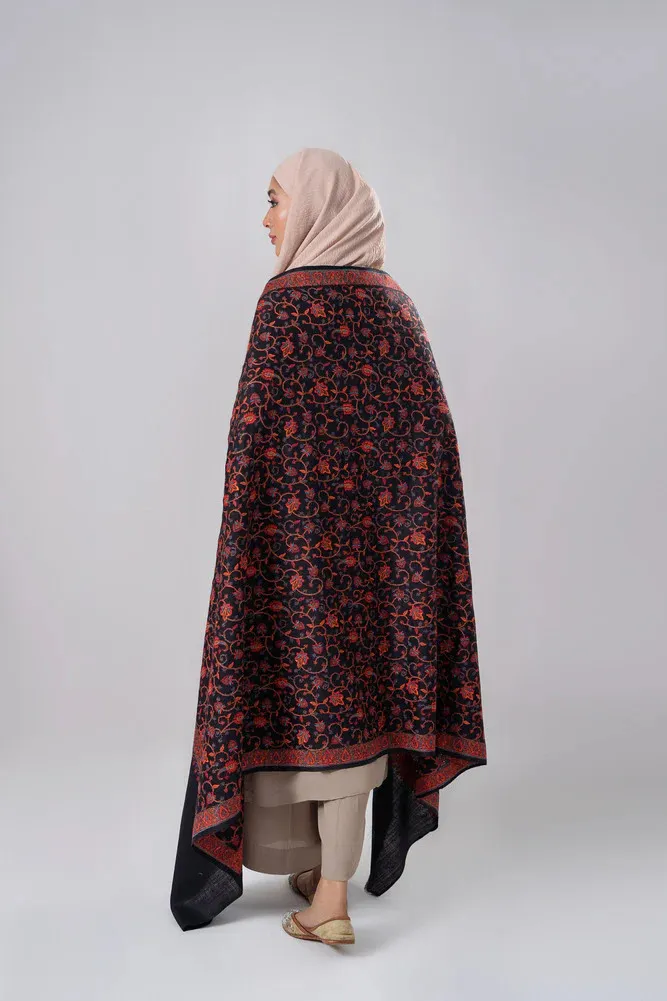
3. Make Sure the Shawl Matches the Winter You Actually Experience
A shawl that works well in one part of Pakistan may not work equally well somewhere else.
That is because winter conditions vary a lot.
A lightweight shawl may be enough for a cool evening in Karachi or Lahore. The same shawl may feel too light in Islamabad, Murree, Quetta, Abbottabad, or northern Pakistan.
This is why warmth should be judged according to your actual use.
Wool works well in winter because of the way the fibre is naturally structured.
According to The Woolmark Company, wool fibres have a natural wave called crimp. This structure creates small pockets of air inside the fabric. Those air pockets help provide insulation by slowing down heat loss.
That is why a good wool shawl does not always need to feel very thick or heavy.
Fibre structure matters as much as appearance.
Fibre thickness also affects how the shawl feels.
Research from The Woolmark Company explains that finer fibres bend more easily, which usually makes them feel softer. Thicker fibres are less flexible but often more resilient.
This is useful when choosing between a formal shawl and something for daily winter use.
For weddings, dinners, or indoor events, a lighter shawl may be more comfortable because it drapes neatly over clothing without feeling bulky.
For regular outdoor use, a denser shawl may give better coverage and feel more practical.
In colder areas, warmth should come before appearance.
The easiest way to choose correctly is to think about your routine before you buy.
Ask yourself where you will wear the shawl most often.
Will it be used indoors?
Will you wear it during evening travel?
Will you spend long periods outside?
Will it mostly be part of your formal wardrobe?
Once you know the answer, the right weight and material become much easier to judge.
If you are buying online, do not rely on photographs alone.
Product images can make a fabric look heavier or warmer than it really is.
Read the material details and check the size.
The right shawl should suit your weather, not just your wardrobe.
4. Understand Why One Shawl Costs More Than Another
Price can be confusing when two shawls look similar but cost very different amounts.
Sometimes that difference is completely justified.
Sometimes it is not.
Material is one of the biggest price factors.
Fine wool and genuine cashmere generally cost more than common synthetic fibres.
Size also matters because a larger shawl requires more yarn and more work.
The production method can make an even bigger difference.
A simple machine-woven shawl can be produced much faster than a piece that involves detailed hand weaving or hand embroidery.
Complex handwork can take many hours.
Finishing also adds value.
A shawl may go through washing, brushing, edging, pressing, checking, and final finishing before it is ready to sell.
All of these steps can affect the final cost.
That is why the most useful question is not simply, “Why is this expensive?”
Ask what exactly you are paying for.
A clear explanation should point to something real.
Maybe the shawl uses finer wool.
Maybe the weave is more difficult.
Maybe the embroidery was completed by hand.
Maybe the piece is larger or requires more finishing.
Those are understandable reasons for a higher price.
A vague answer should make you more cautious.
The same applies at the other end of the market.
If something is described as pure cashmere or detailed handmade work but is being sold at an unusually low price, it is sensible to verify the claim before assuming you found a bargain.
Price alone does not prove quality.
A high price does not guarantee a good shawl, and a low price does not automatically mean poor quality.
Real value comes from the relationship between material, craftsmanship, durability, and cost.
That is what you should compare.
5. Check the Care Requirements Before You Spend Money
Care is usually the last thing people think about when buying a shawl.
It should be part of the decision from the beginning.
A shawl may look perfect when you buy it, but the wrong washing or storage method can damage the fabric later.
Different wool products need different care because fibre, weave, dye, embroidery, and finishing all affect how the shawl should be handled.
According to The Woolmark Company, wool products should be cared for according to their specific care instructions. Wet wool should also be kept away from strong direct heat and dried carefully.
This matters because hot water, heavy rubbing, or incorrect drying can damage some wool products.
The exact risk depends on how the shawl is made.
Before buying, ask whether the shawl can be washed at home.
Find out whether dry cleaning is recommended.
Check whether embroidery needs special handling.
These questions are especially important when you are buying an expensive wool or Pashmina shawl.
Storage matters too.
Before putting the shawl away for several months, make sure it is clean and completely dry.
Fold it carefully instead of forcing it into an overcrowded cupboard.
If the shawl has heavy embroidery, avoid leaving it crushed under other clothes for a long time.
These small habits can make a noticeable difference over the years.
A shawl is only good value when it stays wearable and keeps its shape, feel, and appearance.
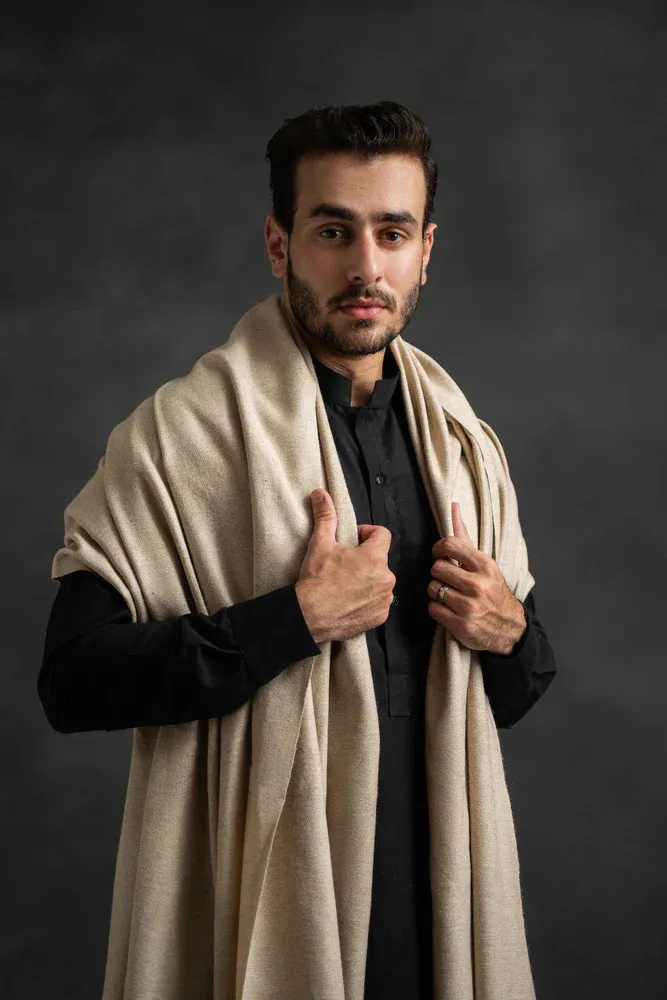
How to Buy a Shawl in Pakistan That Still Feels Worth It Next Winter
A good shawl should do more than look attractive when you first see it.
It should feel comfortable when you wear it.
The material should match what you were told.
The craftsmanship should justify the price.
The warmth should suit the weather you actually experience.
You should also know how to care for it once you bring it home.
That is why a better buying decision comes from slowing down for a few minutes before paying.
Start with the fibre and do not judge quality from softness alone.
Then find out what handmade really means and which parts of the shawl involved actual handwork.
Think about the winter conditions where you will wear it and choose the weight accordingly.
Understand what makes the shawl worth its price instead of assuming expensive always means better.
Finally, check the care requirements so you know how to protect the fabric after you buy it.
These five checks make the buying process much clearer.
A shawl should not only look good in the shop.
It should still feel like the right purchase when winter gets colder, when you wear it regularly, and when you take it out again the following year.
That is when you know the money was well spent.