BBQ Grill Commercial vs Regular Grill: What’s the Real Difference?
7 Views
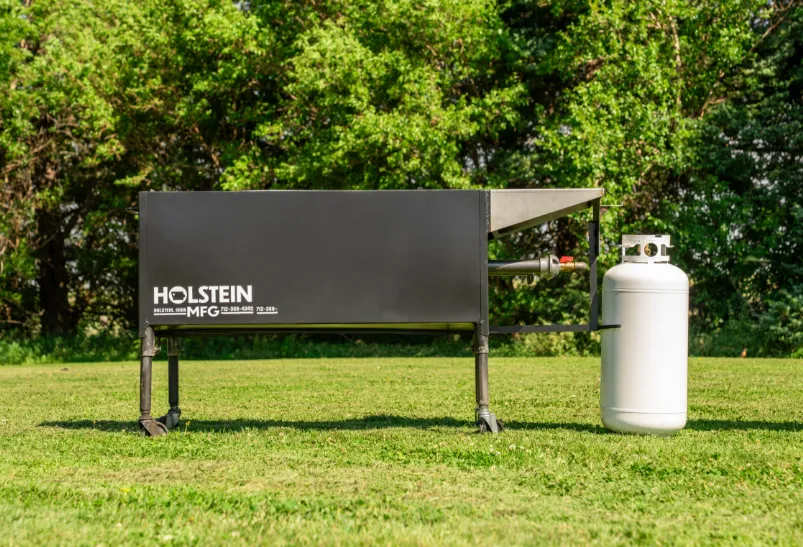
Choosing the right grill can change how a kitchen works every day. A BBQ grill commercial model is made for restaurants, hotels, caterers, and other businesses that cook large amounts of food regularly. A regular grill is usually made for homes and lighter cooking.
The main differences include size, cooking space, strength, heat control, cleaning, and daily use. Both grills can cook tasty food, but they are built for different jobs. Understanding these differences helps businesses choose equipment that fits their kitchen, menu, cooking needs, and budget.
What Is the Main Difference?
The biggest difference is the amount of work the grill can handle.
A regular grill is often used for smaller meals. For example, a family may use one to cook burgers, chicken, vegetables, or other foods during a weekend barbecue. It does not usually need to work for many hours every day.
A restaurant has very different needs. During lunch or dinner, many customers may order grilled food at the same time. The kitchen needs equipment that can keep working without causing long delays.
This is where BBQ grill heavy duty equipment can be helpful. It is made for regular use in busy food businesses. It often has a stronger body, a bigger cooking area, and features that support repeated cooking.
Commercial vs Regular Grill: At a Glance
|
Feature |
Commercial Grill |
Regular Grill |
|
Main use |
Restaurants, hotels, and catering businesses |
Homes and occasional cooking |
|
Cooking capacity |
Usually larger |
Usually smaller |
|
Workload |
Made for frequent use |
Made for lighter use |
|
Construction |
Strong and durable |
Usually lighter |
|
Heat management |
Designed for repeated cooking |
Suitable for normal grilling |
|
Cleaning |
Designed for regular kitchen cleaning |
Usually simpler to clean |
|
Space needed |
Often needs more space |
Usually takes up less space |
|
Installation |
May need careful planning |
Often easier to set up |
|
Best suited for |
Large amounts of food |
Small meals and personal cooking |
5 Features That Set Heavy-Duty Models Apart
When looking at professional and regular grills, buyers should check the features that affect daily kitchen work:
- Stronger construction: Heavy-duty grills are built to handle regular cooking and frequent use. Strong materials can also help the equipment stay useful for a longer time when it is properly maintained.
- Larger cooking area: More cooking space allows staff to prepare more portions during each cooking cycle. This can be useful when many orders arrive together.
- Better heat control: Good heat control helps staff cook food more evenly. This is important when the same dish needs to taste and look similar each time.
- Useful kitchen design: Professional grills often have controls and layouts designed for busy kitchen teams. Easy-to-use features can help staff work more smoothly.
- Easy maintenance: Cleaning and maintenance are important in every food business. Equipment that is easier to clean can help staff keep the cooking area in good condition.
Which Grill Is Right for Your Business?
There is no single grill that is right for every business. The best choice depends on how much food the kitchen prepares, what is on the menu, how much space is available, and how often the grill will be used.
For example, a small café may only need a compact grill for a few menu items. A large hotel may need a much bigger unit because it can serve many customers at once.
A BBQ grill heavy duty model can make sense when a business needs to cook large amounts of food throughout the day. Still, business owners should not choose a large model simply because it looks more powerful. A bigger unit may cost more and take up extra space.
What Should You Check Before Buying?
Before buying a grill, look at more than its price. Check its cooking surface, materials, heat controls, cleaning needs, fuel use, warranty, spare parts, and service support.
Kitchen space is another important point. The grill needs to fit comfortably without making it difficult for staff to move around. Businesses should also check ventilation and installation requirements before bringing new equipment into the kitchen.
It is smart to think about the busiest time of day too. A grill should be able to handle the kitchen's normal workload when customer orders are at their highest.
The Final Takeaway
The main difference between a BBQ grill commercial model and a regular grill is the job each one is designed to do. Regular grills are often suitable for homes and small cooking needs, while commercial models are made for busy food businesses. Size, strength, cooking capacity, heat control, cleaning, and installation all matter when making a choice.
Restaurant owners should first understand their menu, order volume, kitchen space, and budget. Choosing equipment that matches these needs can support smoother cooking and better daily kitchen work.
Related Reading
Top 10 Hidden Secrets About Business & Finance You Need to Know
Welcome to our in-depth exploration of Business & Finance. In an era defined...
Why Business & Finance is Transforming the Global Industry Landscape
Welcome to our in-depth exploration of Business & Finance. In an era defined...