BBA in Event Management vs Regular BBA: Which Course Should You Choose?
124 Views
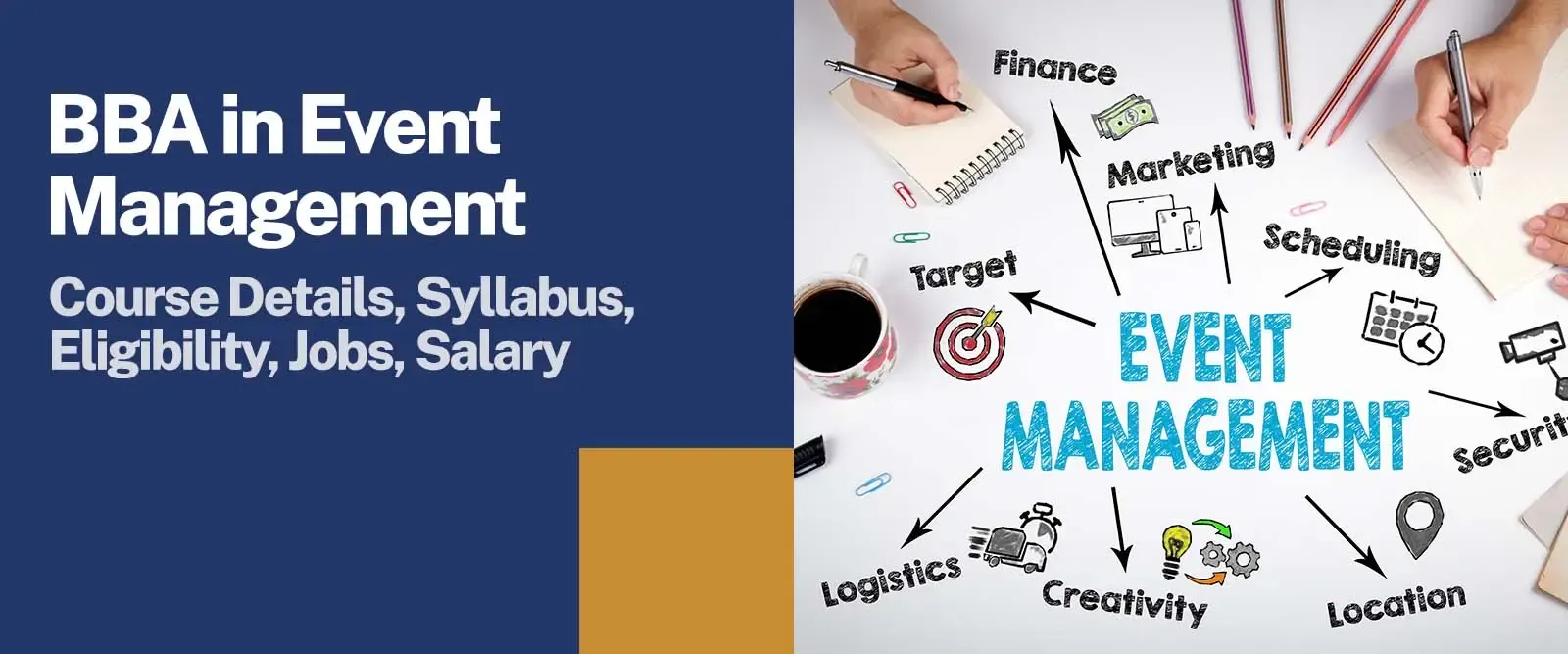
Choosing the right undergraduate course after Class 12 is an important decision because it can influence your skills, professional exposure and future career direction. Students interested in business and management often consider a Bachelor of Business Administration. However, they may find themselves choosing between a regular BBA and a specialised BBA in Event Management.
Both courses teach essential business principles, but their objectives, subjects, practical exposure and career paths can be significantly different. A regular BBA provides broad knowledge of business administration, while a BBA in Event Management combines management education with specialised training in planning and executing events.
So, which course should you choose? This detailed comparison will help you understand the differences and select a programme that matches your interests and career ambitions.
What Is a Regular BBA?
A regular Bachelor of Business Administration is generally a three-year undergraduate programme that introduces students to the fundamentals of business and management. It is suitable for students who want to explore different areas of business before selecting a particular specialisation.
The curriculum usually includes subjects such as:
- Principles of management
- Business economics
- Financial management
- Marketing management
- Human resource management
- Business communication
- Organisational behaviour
- Operations management
- Business law
- Entrepreneurship
- Business statistics
A regular BBA creates a broad academic foundation. Graduates can explore entry-level roles in marketing, sales, finance, operations, administration and human resources. They can also pursue higher education, including an MBA or other specialised postgraduate programmes.
However, a regular BBA may provide limited exposure to specialised event planning, production, artist management, venue operations and live-event execution.
What Is a BBA in Event Management?
A BBA in Event Management is an undergraduate management programme designed for students who want to build careers in the events, entertainment, wedding, hospitality, experiential marketing or media industries.
The course combines core business subjects with specialised event-management concepts. Students learn how to conceptualise, budget, promote, coordinate and execute different types of events.
Depending on the institution and curriculum, students may study topics such as:
- Event planning and production
- Event budgeting and finance
- Wedding planning
- Corporate event management
- Brand activation
- Public relations
- Event marketing and sponsorship
- Venue and vendor management
- Celebrity and artist management
- Logistics and operations
- Hospitality management
- Event laws, licences and permissions
- Digital promotion and social media
- Risk and crisis management
The defining feature of this course is its practical orientation. Along with classroom learning, students may participate in live events, internships, industry visits, workshops, presentations and event-production assignments.
BBA in Event Management vs Regular BBA: Key Differences
1. Course Focus
A regular BBA offers a general overview of business functions. It is ideal for students who want flexibility and have not yet decided which business sector they would like to enter.
A BBA in Event Management, on the other hand, has a clearly defined industry focus. It teaches business administration within the context of events, entertainment and experiential experiences.
If you already feel excited about weddings, concerts, exhibitions, corporate conferences, fashion shows, sports events or festivals, the specialised course may provide a more relevant learning path.
2. Curriculum
The regular BBA curriculum focuses primarily on traditional management areas such as finance, marketing, human resources and operations.
A specialised event-management programme also covers these fundamentals but connects them with event-specific subjects. For example, students may learn marketing through event promotions, finance through event budgeting and operations through venue and vendor coordination.
This applied approach can make management concepts easier to understand for students who prefer learning through real projects and industry situations.
3. Practical Training
Practical exposure is one of the most important differences between the two courses.
A regular BBA may include presentations, case studies, projects and internships. However, practical training is often related to general business functions.
A credible BBA in Event Management should offer opportunities to understand actual event operations. Students may work on event concepts, prepare budgets, communicate with vendors, design promotional campaigns, manage registrations and support on-ground execution.
Since events involve strict timelines and coordination between multiple teams, practical training helps students develop confidence, adaptability and decision-making abilities.
4. Skills Developed
A regular BBA helps students develop management, communication, analytical thinking, teamwork and leadership skills.
Students pursuing event management develop these abilities along with several industry-specific skills, including:
- Creative event conceptualisation
- Budget preparation and cost control
- Vendor negotiation
- Venue selection
- Team coordination
- Client communication
- Sponsorship planning
- Event promotion
- Time management
- Crisis handling
- On-ground problem-solving
Event management requires a balance of creativity and organisation. Students must learn to generate ideas while also managing schedules, budgets and operational details.
5. Career Opportunities
A regular BBA can lead to entry-level opportunities across several business departments. Possible roles include:
- Marketing executive
- Sales executive
- Human resource executive
- Business development executive
- Operations executive
- Customer relationship executive
- Management trainee
A BBA in Event Management prepares students for roles more closely connected with the event and experience industry, such as:
- Event coordinator
- Wedding planner
- Event marketing executive
- Production executive
- Artist management coordinator
- Venue coordinator
- Exhibition coordinator
- Sponsorship executive
- Client servicing executive
- Corporate event planner
- Brand activation executive
- Event operations executive
Graduates may find opportunities in event-management companies, wedding-planning agencies, hotels, media organisations, entertainment businesses, exhibition companies, advertising agencies and corporate event departments.
Job titles and responsibilities can differ according to the employer, the candidate’s practical experience and the scale of events managed.
6. Industry Exposure
Students in a regular BBA may receive broad corporate exposure through internships and academic projects.
A specialised event-management programme is expected to offer more focused interaction with professionals such as event producers, wedding planners, venue managers, designers, artists, hospitality teams and marketing experts.
Delhi can be a particularly relevant location for event-management education because the Delhi-NCR region hosts corporate gatherings, exhibitions, weddings, product launches, cultural programmes and entertainment events throughout the year. The quality of exposure, however, depends on the institute’s industry connections and training approach.
7. Entrepreneurship Opportunities
Both programmes can support entrepreneurship, but the nature of the business opportunities may differ.
Regular BBA graduates may start businesses in different sectors based on their interests and available resources.
Graduates with event-management training may explore ventures such as:
- Wedding-planning services
- Corporate event agencies
- Event décor businesses
- Artist-management services
- Event marketing consultancies
- Exhibition-management companies
- Social event planning
- Experiential marketing services
Building an event business requires experience, professional relationships, financial discipline and an understanding of client expectations. A specialised programme can introduce students to these elements, but long-term success depends on continuous learning and practical performance.
Who Should Choose a Regular BBA?
A regular BBA may be suitable for you if:
- You want a broad understanding of business management.
- You have not yet selected a specific industry.
- You are interested in conventional roles in finance, marketing, HR or operations.
- You plan to pursue an MBA in the future.
- You prefer classroom-based business education.
- You want the flexibility to explore multiple sectors after graduation.
The course can provide a strong management foundation, especially when pursued from an institution offering internships, corporate interaction and skill-development programmes.
Who Should Choose a BBA in Event Management?
A BBA in Event Management may be the better choice if:
- You are interested in planning and executing events.
- You enjoy creative, dynamic and people-oriented work.
- You want practical exposure from the undergraduate level.
- You are comfortable working with teams, deadlines and changing situations.
- You want to explore weddings, entertainment, exhibitions, corporate events or brand activations.
- You have strong communication and organisational abilities.
- You are interested in eventually starting an event-related venture.
Students should understand that event management is not limited to celebration and glamour. Professionals often work behind the scenes, manage multiple responsibilities and solve unexpected problems under time pressure. Genuine interest, discipline and adaptability are therefore essential.
Is a BBA in Event Management a Good Choice After Class 12?
For students with a clear interest in the events industry, pursuing a BBA in Event Management after Class 12 can be a purposeful choice. It allows them to begin developing specialised knowledge at the undergraduate level rather than waiting until after completing a general degree.
Students from different academic streams may explore the programme, subject to the eligibility requirements of the institution and affiliated university. Before applying, candidates should verify the course duration, curriculum, admission criteria, university affiliation and practical-training structure directly with the institute.
A specialised degree alone does not guarantee employment. Students should use their academic years to develop a portfolio, attend workshops, complete internships, participate in live events and build professional communication skills.
What Should You Check Before Choosing an Institute?
The quality of the institution can be just as important as the course title. Before taking admission, students and parents should examine:
Course Curriculum
Check whether the programme balances business subjects with practical event-management training. The curriculum should cover both creative and operational aspects of events.
University Affiliation and Recognition
Verify the academic structure, degree-awarding university and applicable recognition details. Always refer to official information provided by the institute and university.
Live Event Exposure
Ask how frequently students participate in live events and what responsibilities they receive. Observing an event is different from actively contributing to its planning and execution.
Internship Opportunities
Internships can help students understand professional expectations and workplace discipline. Ask whether internship assistance is available and which types of organisations generally participate.
Faculty and Industry Mentors
Look for a combination of academic faculty and professionals with practical event-industry experience. Industry sessions can offer insights into current working methods and client expectations.
Infrastructure and Location
Students may benefit from presentation facilities, production resources and access to major event venues. An institute located in Delhi may offer exposure to a diverse event ecosystem across the National Capital Region.
Placement Assistance
Understand the nature of career guidance and placement assistance offered. Students should ask for transparent information instead of relying only on promotional claims.
Why Consider NDIEM Delhi for Event Management Education?
NDIEM Delhi focuses on preparing students for the professional events industry through a combination of management education and practical learning. Students interested in a BBA in Event Management can gain exposure to different areas of the field, including event planning, wedding management, marketing, production, hospitality and client servicing.
The learning experience aims to help students understand how an event progresses from the initial idea to final execution. Live-event participation, industry interaction and practical assignments can help learners connect classroom concepts with real responsibilities.
Located in Delhi, NDIEM gives aspiring professionals access to an active market that includes weddings, conferences, exhibitions, entertainment programmes, cultural celebrations and corporate events. Prospective students should contact the institute for the latest information regarding admission requirements, curriculum, university affiliation, fees and training opportunities.
Which Course Should You Choose?
The right choice depends on your interests and career goals.
Choose a regular BBA if you want a broad business education and would like to keep your industry options open. It can prepare you for general management roles and further education across multiple specialisations.
Choose a BBA in Event Management if you are already interested in the events industry and want specialised, practical learning from the beginning of your undergraduate journey. It may provide a more focused route towards careers in event planning, weddings, entertainment, experiential marketing and event production.
Avoid choosing a programme only because it appears popular. Review the curriculum, speak with academic counsellors, evaluate practical opportunities and consider the kind of work you genuinely enjoy.
Frequently Asked Questions
1. What is the main difference between a regular BBA and a BBA in Event Management?
A regular BBA provides broad knowledge of business administration, whereas a BBA in Event Management combines management principles with specialised training in event planning, marketing, production and execution.
2. Can I pursue a BBA in Event Management after Class 12?
Yes, students who have completed Class 12 may apply, subject to the eligibility requirements of the institute and affiliated university.
3. What careers can I pursue after completing the course?
Graduates may explore roles in event coordination, wedding planning, event production, client servicing, venue management, exhibitions, sponsorships, artist coordination and brand activations.
4. Is event management suitable for creative students?
Yes. The industry values creativity, but students also need organisation, communication, budgeting, teamwork and problem-solving skills.
5. Does the course include practical training?
Practical training depends on the institute. Students should select a programme that offers internships, workshops, industry projects and opportunities to participate in live events.
6. Can I start my own event-management business after graduation?
You can explore entrepreneurship after gaining relevant knowledge and practical experience. Building a professional network and understanding budgeting, vendors and client management will also be important.
Conclusion
Both a regular BBA and a BBA in Event Management can lead to meaningful career opportunities. The difference lies in the direction and depth of learning.
A regular BBA is suitable for students seeking a versatile business qualification, while a specialised event-management degree is designed for those who want to enter a creative, practical and fast-moving industry. If you enjoy planning experiences, coordinating people and turning ideas into well-organised events, event management may be the more relevant path.
NDIEM Delhi offers aspiring event professionals an opportunity to explore management education with industry-oriented learning. Before enrolling, review the programme details carefully and choose the course that aligns with your abilities, interests and long-term professional goals.
Related Reading
Expert Insights: Navigating the Complex World of Education & Learning
Welcome to our in-depth exploration of Education & Learning. In an era defin...
Why Education & Learning is Transforming the Global Industry Landscape
Welcome to our in-depth exploration of Education & Learning. In an era defin...