Bathroom Remodel in Pittsburgh, PA: A Practical Guide to Planning a Functional Bathroom
8 Views
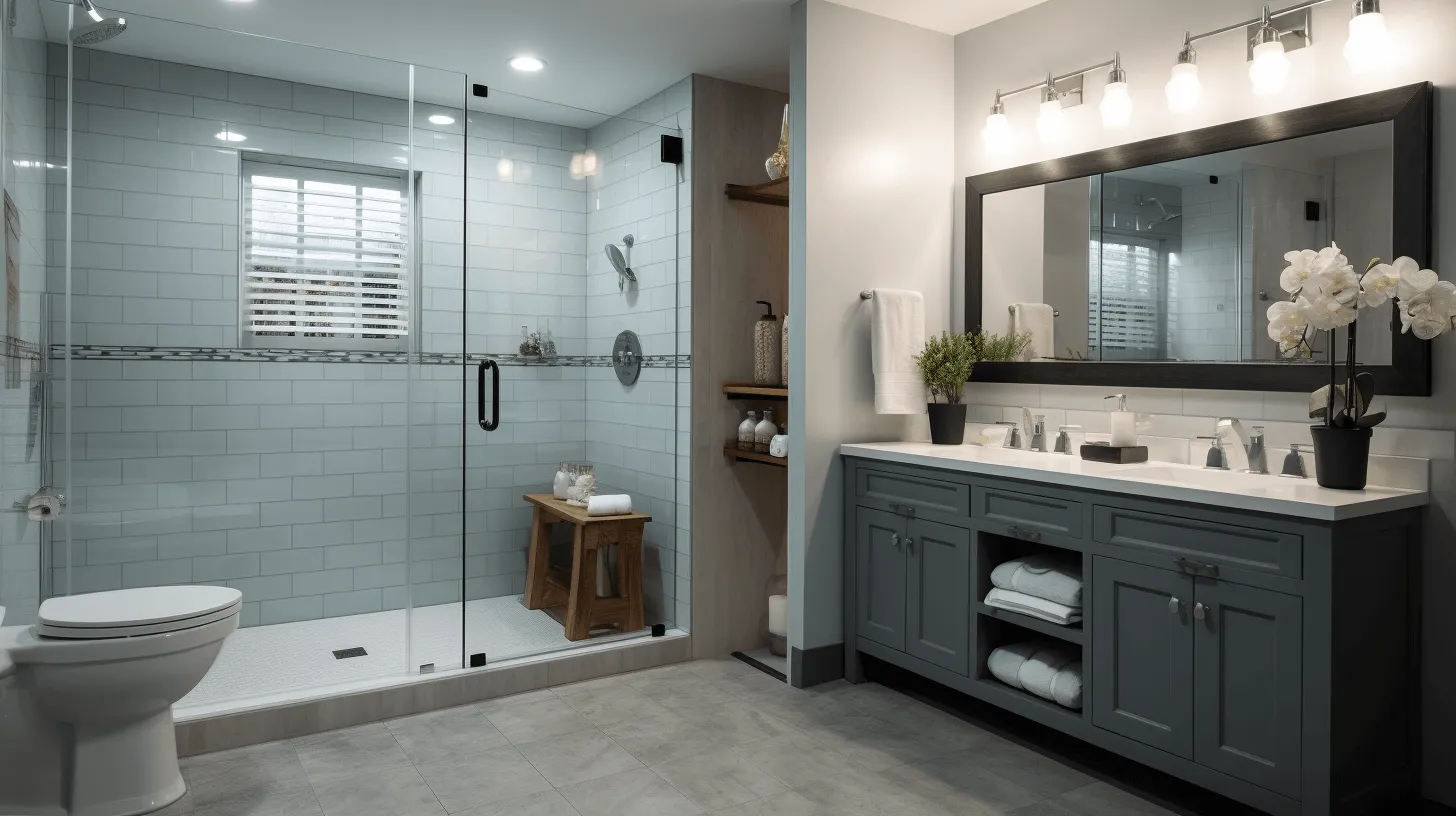
A well-planned bathroom remodel can improve a home's comfort, functionality, and overall appearance. Whether homeowners want to update outdated fixtures, improve storage, replace worn flooring, or make better use of limited space, successful remodeling begins with understanding the room's existing condition and identifying the improvements that matter most. Careful about bathroom remodel in Pittsburgh, PA planning, suitable materials, and proper installation can help create a bathroom that meets everyday needs while remaining durable over time.
Bathrooms experience frequent moisture exposure, temperature changes, and daily wear. These conditions make it important to consider more than appearance when planning an upgrade. Ventilation, waterproofing, plumbing, lighting, and surface maintenance all influence the performance of the finished space.
Assessing Your Bathroom's Existing Condition
Before selecting new fixtures or finishes, homeowners should inspect the current bathroom to identify problems that may affect the renovation.
Look for leaking faucets, deteriorating sealant, loose tiles, damaged flooring, poor drainage, and signs of moisture around sinks, tubs, and showers. Persistent odors, discoloration, or soft wall materials may indicate hidden moisture problems that need further investigation.
Addressing these concerns early can prevent new materials from being damaged after installation. For example, installing new flooring without correcting an underlying leak may lead to additional repairs and unnecessary expense.
It is also useful to assess how well the existing layout supports daily routines. Limited counter space, inadequate storage, poor lighting, and difficult access to fixtures can make a bathroom less convenient. Identifying these issues helps homeowners prioritize practical improvements rather than focusing exclusively on decorative changes.
Setting a Realistic Remodeling Budget
Budget planning is one of the most important stages of any bathroom project. Costs depend on the room's size, material choices, labor requirements, and the amount of plumbing or structural work involved.
A cosmetic update that replaces fixtures and finishes while retaining the existing layout will generally involve different costs from a renovation that relocates plumbing, changes a shower configuration, or modifies walls.
Homeowners should account for several expenses when preparing a budget:
-
Materials and fixtures: Tiles, flooring, vanities, faucets, toilets, shower systems, and lighting.
-
Labor: Demolition, installation, plumbing, electrical work, and finishing.
-
Preparation and repairs: Subfloor repairs, waterproofing, wall preparation, and removal of damaged materials.
-
Permits and inspections: Applicable approvals for work that requires them.
-
Contingency funds: An allowance for unexpected conditions discovered during construction.
A contingency allowance of approximately 10–20% is a common starting point, although older homes and projects with significant unknowns may require more.
Obtaining detailed written estimates can help homeowners compare proposals accurately. Each estimate should clarify the scope of work, materials, exclusions, payment schedule, and procedures for handling changes.
Choosing Durable Materials for a Bathroom
Bathroom materials must withstand moisture, regular cleaning, and repeated use. Selecting products according to their intended application can help reduce maintenance and improve long-term performance.
Flooring Options
Porcelain and ceramic tiles are common bathroom flooring choices because they are available in many styles and can perform well in wet environments when installed correctly. Slip resistance, grout maintenance, and the condition of the underlying surface should also be considered.
Other flooring products may be suitable depending on the manufacturer's specifications and the room's conditions. Homeowners should avoid assuming that every water-resistant product is appropriate for every bathroom application.
Wall and Shower Surfaces
Shower walls and other areas exposed to frequent water require a properly designed waterproofing system. Tiles and grout alone should not be treated as a complete substitute for suitable waterproofing behind the finished surface.
The substrate, seams, corners, and transitions around fixtures must be handled correctly. Poor installation in these areas can allow moisture to penetrate surrounding materials and cause concealed damage.
Cabinets and Countertops
Bathroom cabinets should be appropriate for humid conditions and provide sufficient storage without obstructing movement. Countertops should be easy to clean and compatible with the household's maintenance preferences.
Before ordering a vanity, measure the available space carefully and account for door swings, plumbing connections, and access to drawers. A visually appealing fixture may be impractical if it makes the room difficult to use.
How to Plan Bathroom Renovations for Better Functionality?
Successful bathroom renovations in Pittsburgh, PA, should balance appearance with the practical demands of everyday use. The most effective improvements often address problems that homeowners encounter regularly, such as insufficient storage, poor lighting, limited accessibility, and ineffective ventilation.
Improve Storage and Layout
Storage can make a small bathroom feel more organized. Wall-mounted cabinets, recessed shelving where appropriate, vanity drawers, and medicine cabinets can provide useful space without unnecessarily crowding the room.
Before changing the layout, consider whether the existing arrangement can be improved with smaller adjustments. Retaining the locations of major plumbing fixtures may help control costs, while relocating them may be worthwhile when the current configuration significantly limits functionality.
Upgrade Lighting
Bathrooms benefit from layered lighting. General lighting illuminates the entire room, while task lighting around the mirror can improve visibility during grooming.
Light placement, brightness, and color temperature should be considered together. Electrical fixtures installed near water must also meet applicable safety requirements.
Address Ventilation
Ventilation is essential because showers and baths produce humidity that can contribute to condensation, peeling finishes, and mold growth.
An appropriately sized exhaust fan that vents outdoors can help remove humid air. Homeowners should also investigate recurring condensation or dampness rather than relying solely on repainting affected surfaces.
Consider Accessibility
A renovation can provide an opportunity to make a bathroom easier to use for people with different mobility needs. Depending on the space and budget, improvements may include a curbless shower, accessible controls, better lighting, secure grab bars, or wider clearances.
Safety features should be planned carefully and installed with suitable structural support. Grab bars, for example, must be securely anchored rather than attached only to drywall or other inadequate backing.
Common Bathroom Remodeling Mistakes to Avoid
Even a well-designed project can encounter problems when important details are overlooked.
Ignoring hidden damage: Leaks, deteriorated subfloors, and moisture-damaged wall materials should be addressed before new finishes are installed.
Choosing materials based only on appearance: Products must be suitable for the humidity, water exposure, and cleaning requirements of the room.
Making frequent design changes: Late changes can affect material orders, installation schedules, and labor costs.
Overlooking ventilation: Inadequate moisture removal can shorten the lifespan of finishes and contribute to indoor air quality concerns.
Failing to verify measurements: Incorrect measurements can cause problems with vanities, shower enclosures, doors, and other fixtures.
Skipping necessary approvals: Plumbing, electrical, structural, and other regulated work may require permits or inspections. Homeowners should verify applicable requirements before construction begins.
Addressing these issues during planning can help make the renovation process more predictable and reduce the risk of avoidable repairs.
Frequently Asked Questions
1. How long does a bathroom remodel usually take?
The timeline depends on the project's size, the condition of the existing bathroom, material availability, and the extent of plumbing or structural changes. A straightforward cosmetic update may take less time than a complete renovation involving waterproofing, new fixtures, and a redesigned layout.
2. Is it better to keep the existing bathroom layout?
Keeping the existing layout can reduce the need for plumbing relocation and may help control costs. However, changing the layout may be worthwhile when the current arrangement creates accessibility problems or wastes valuable space. The decision depends on the expected benefits and the project's budget.
3. What is the most important part of a shower installation?
Proper waterproofing and drainage are essential. The waterproofing system, substrate, seams, corners, and transitions must be installed according to the product specifications. Correctly installed surface materials cannot compensate for a poorly constructed waterproofing system.
4. How can homeowners prevent mold in a bathroom?
Use effective exhaust ventilation, repair leaks promptly, maintain appropriate waterproofing, and avoid allowing moisture to accumulate on surfaces. Persistent mold or recurring dampness may require investigation to identify and correct the underlying source.
5. Do bathroom remodeling projects require permits in Pittsburgh?
Requirements depend on the work involved and the applicable local regulations. Projects involving plumbing changes, electrical modifications, structural work, or other regulated activities may require permits or inspections. Homeowners should confirm requirements with the relevant local authority before beginning construction.
Conclusion
A successful bathroom upgrade depends on practical design, realistic budgeting, durable materials, and careful attention to moisture management. By assessing existing problems, prioritizing functionality, and planning installation details before construction begins, homeowners can create a bathroom that better supports their daily routines. For homeowners exploring residential improvements in Pittsburgh, PA, Level Head Contracting is a local company to consider when researching renovation options and evaluating professionals for bathroom improvement projects.
Related Reading
Expert Insights: Navigating the Complex World of Home Improvement
Welcome to our in-depth exploration of Home Improvement. In an era defined by ra...
Why Home Improvement is Transforming the Global Industry Landscape
Welcome to our in-depth exploration of Home Improvement. In an era defined by ra...