Top Trends Shaping B2B Wellness Content Licensing Today
By Pogik
51 Views
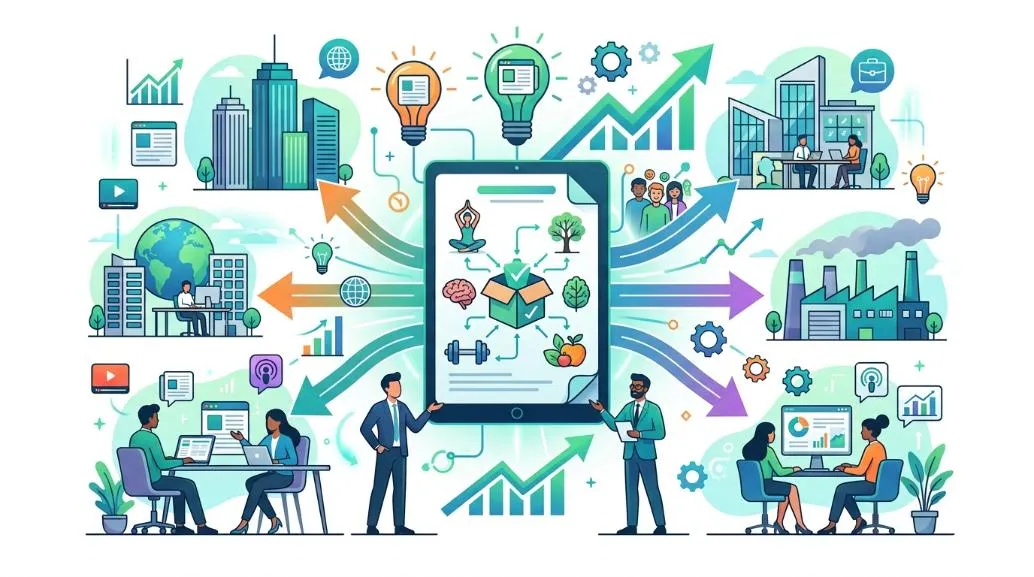
The enterprise health technology, workplace benefits, and SaaS digital fitness industries are undergoing a massive structural shift. As corporate clients demand comprehensive, always-accessible wellness solutions for global employee bases, software platforms are rapidly pivoting toward content licensing. Rather than spending valuable engineering hours and capital on building internal media divisions, leading B2B digital health platforms now license commercial-ready video libraries to populate their web and mobile applications. Understanding the key trends driving B2B wellness content licensing enables platform executives, product managers, and software leads to construct agile, scalable media ecosystems that drive active daily usage and secure multi-year enterprise contracts.
For years, digital health software companies attempted to maintain full internal production studios under the assumption that custom filming was the only way to preserve brand identity. In practice, running physical video production inside a software-first organization introduces severe operational drag. Renting soundproof recording spaces, purchasing camera gear, hiring certified instructors, securing music rights, and managing long editing pipelines drain capital rapidly. More importantly, physical production schedules pull core engineering teams away from their primary mission: optimizing backend database structures, improving user onboarding, and scaling proprietary software features.
Trend 1: Transitioning from In-House Studios to Turnkey Media Licensing
Operating an internal filming setup carries hidden expenses and operational liabilities that scale poorly. Beyond initial investments in studio hardware, platforms incur ongoing operational expenses including instructor retainers, liability insurance, safety compliance audits for exercise scripts, and post-production audio mastering. When physical filming encounters unexpected bottlenecks—such as talent unavailability, room scheduling conflicts, or editing revisions—entire product update roadmaps grind to a halt. Sourcing pre-produced media eliminates these operational liabilities completely, granting platforms instant access to massive video libraries without ongoing physical studio overhead.
Additionally, small internal creative crews struggle to produce the sheer volume and variety of movement disciplines required to satisfy modern enterprise employee demographics. Corporate HR leads expect a broad range of content—from high-intensity interval training to gentle, desk-bound stretching sessions, recovery protocols, and guided stress reduction. An internal production crew rarely has the bandwidth to continuously script, film, edit, compress, and publish the volume of content required to keep users engaged over long subscription periods. Acquiring commercial content solves this scale challenge immediately, filling catalog gaps overnight with fully mastered, commercial-ready digital assets.
Operational Comparison: In-House Production vs. Turnkey Content Licensing
Analyzing the operational differences between custom studio filming and enterprise media licensing highlights clear efficiency gains across launch timelines, resource distribution, and catalog scalability.
Deployment PhaseCustom In-House ProductionTurnkey Content LicensingTalent & Scripting3 to 5 weeks (Auditions, safety reviews).Instant (Pre-vetted industry experts).Studio Filming4 to 6 weeks (Leases, hardware setup).Zero Days (Ready-to-use digital assets).Post-Production6 to 8 weeks (Editing, color grading).Zero Days (Fully edited & mastered).Database IntegrationManual (Hand-keyed metadata tags).Automated (Structured bulk payloads).
Trend 2: Unbranded Media Delivery for Seamless Native Player Integration
Maintaining a cohesive brand interface across your application relies on integrating clean, unbranded video streams directly into your native player container. High-definition video files serve as a versatile foundation, merging seamlessly into your application layout as soon as they sit inside your customized video container. Because these video assets arrive without intrusive third-party watermarks, external brand logos, or studio intro slates, your product design team maintains total control over player controls, custom UI overlays, and visual styling.
This level of visual integration ensures end-users form a direct, trusting relationship with your application rather than an outside media studio. Whether an employee accesses a quick movement break on a desktop portal during office hours or completes a recovery session on a mobile app at home, the experience remains consistent, polished, and completely native. Protecting brand unity across every touchpoint strengthens product credibility, supports higher user satisfaction, and drives long-term customer retention across all corporate accounts.
Trend 3: Mitigating Platform Churn Through Catalog Diversity
Sustaining active daily usage within corporate health portals requires offering a deep, balanced selection of movement media that serves all employee physical background levels. When end-users log into an application and face the same repetitive exercise routines every week, platform fatigue sets in quickly, leading to lower engagement and eventual subscriber churn. Integrating a deep, versatile licensed fitness video library gives product teams the agility to instantly adapt to shifting user interests and workplace wellness demands.
A multi-tiered content repository allows software platforms to serve highly active employees looking for intense physical workouts while simultaneously offering gentle, workstation-friendly mobility resets for desk workers. Providing functional, daily movement routines prevents subscriber burnout, keeps active daily user metrics strong, and establishes a solid foundation for expanding customer lifetime value across enterprise corporate accounts.
Trend 4: Automated Bulk Ingestion via Pre-Formatted Metadata Schema
Standardized, pre-formatted metadata payloads accelerate backend engineering workflows by supplying structured search tags, movement categories, difficulty ratings, and precise video durations that map straight into your database schema. If software engineers are forced to manually review raw video files, draft descriptions, and hand-tag search terms, product deployment timelines stall out rapidly. Modern digital scaling relies on structured data payloads that support automated bulk ingestion across content management architectures.
When platforms license a comprehensive collection of licensed fitness and wellness videos accompanied by structured JSON or CSV metadata, engineering teams can complete bulk database imports of hundreds of ready-to-stream files within a single development sprint. Your application's search indexing, recommendation algorithms, and category filters recognize the imported metadata attributes automatically without manual data entry. This technical efficiency enables you to expand your active video library overnight, saving hundreds of engineering hours while delivering a fast, responsive browsing experience from day one.
Trend 5: Cloud-Optimized CDN Architectures and Adaptive Bitrate Delivery
Integrating large-scale video libraries into existing software architectures introduces critical engineering considerations around streaming latency, bandwidth overhead, and cross-device player compatibility. Enterprise media licensing providers address these demands by delivering cloud-optimized video assets encoded in multiple resolutions, supporting adaptive bitrate streaming across native mobile apps, desktop portals, and web environments. This technical infrastructure guarantees smooth, buffer-free playback regardless of user network speeds or device types.
Furthermore, automated media ingestion pipelines allow software platforms to keep their video catalogs updated continuously without manual file handling. By connecting your backend repository directly to automated media delivery endpoints, newly released video modules sync directly into your platform database. This automated technical framework keeps your platform active, fresh, and highly engaging without adding ongoing maintenance tasks or technical overhead to your software engineering team.
Trend 6: Capital Preservation and Strategic ROI Optimization
Evaluating the return on investment for licensed video content requires looking past upfront licensing fees to measure its total impact on development velocity, user retention, and enterprise platform growth. When accounting for the capital saved by eliminating studio rentals, filming hardware, production insurance, and talent payroll, the financial advantage of content licensing becomes clear. These preserved financial resources can be reallocated directly into targeted user acquisition, product design, and core software engineering.
Furthermore, maintaining high user engagement through a deep, frequently updated video catalog directly lowers churn across all client tiers. Improved retention rates translate into longer subscriber lifespans and greater overall customer lifetime value, creating a solid foundation for sustainable business expansion. Viewing video licensing as a high-leverage growth engine rather than an operational expense enables platform executives to scale business revenues with complete confidence.
Essential Workplace Media Categories for Modern Platforms
To maximize platform adoption across enterprise accounts, product managers should organize dedicated content channels tailored specifically to modern workplace environments. Structuring functional, targeted video collections allows your application to directly address daily employee health needs, driving higher daily active usage and protecting subscription renewals.
When curating your enterprise platform catalog, ensure your licensed media provider supplies core workplace-focused video categories, including:
- Desk Ergonomics & Posture Care: Short 5-to-10-minute sessions engineered to relieve neck, shoulder, and lower back tension directly at a desk.
- Guided Mindfulness & Stress Reduction: Quick mental breaks that assist employees in resetting focus and managing workplace stress throughout the workday.
- Low-Impact Mobility & Stretching: Gentle bodyweight movements and joint mobility routines that require zero specialized gym gear.
- Express Energy Boosters: High-efficiency 15-minute cardio and core sessions created for busy professionals seeking quick, effective workouts.
Frequently Asked Questions (FAQs)
1. Why are B2B digital health platforms shifting toward content licensing instead of in-house filming?
Content licensing eliminates high studio overhead, talent retainers, and editing bottlenecks, allowing software platforms to deploy enterprise-ready video catalogs instantly while focusing resources on core software engineering.
2. How do unbranded, watermark-free videos preserve platform UI identity?
Unbranded assets stream directly inside your proprietary video player without third-party logos or intro slates, giving your product design team full control over player UI, overlays, and brand presentation.
3. Why is pre-formatted metadata essential for backend engineering teams?
Pre-formatted metadata provides pre-mapped workout tags, difficulty levels, and duration specs, allowing backend developers to execute bulk database imports in a single sprint without manual data entry.
4. How does video content licensing improve long-term SaaS unit economics?
By replacing unpredictable studio production costs with predictable flat-rate platform rights, SaaS companies can onboard enterprise accounts with fixed content overhead and expanding profit margins.
Conclusion: Building a Scalable Digital Health Ecosystem
Scaling a market-leading digital health platform or enterprise wellness app does not require taking on the massive financial and operational burdens of running a full-scale video studio. By aligning your media acquisition strategy with flexible, enterprise-grade video licensing solutions, you give your platform a distinct competitive edge while keeping business operations lean, agile, and profitable. Protect your software development roadmap, simplify database ingestion, and deliver an outstanding user experience that converts prospective leads into long-term enterprise clients. To learn how turnkey video integration can accelerate your product roadmap, explore the enterprise solutions available at Fitter Stock today.