Automotive Turntable for Professional Photography, Consistent Vehicle Views, and Efficient Workflows
By Car Turner
27 Views
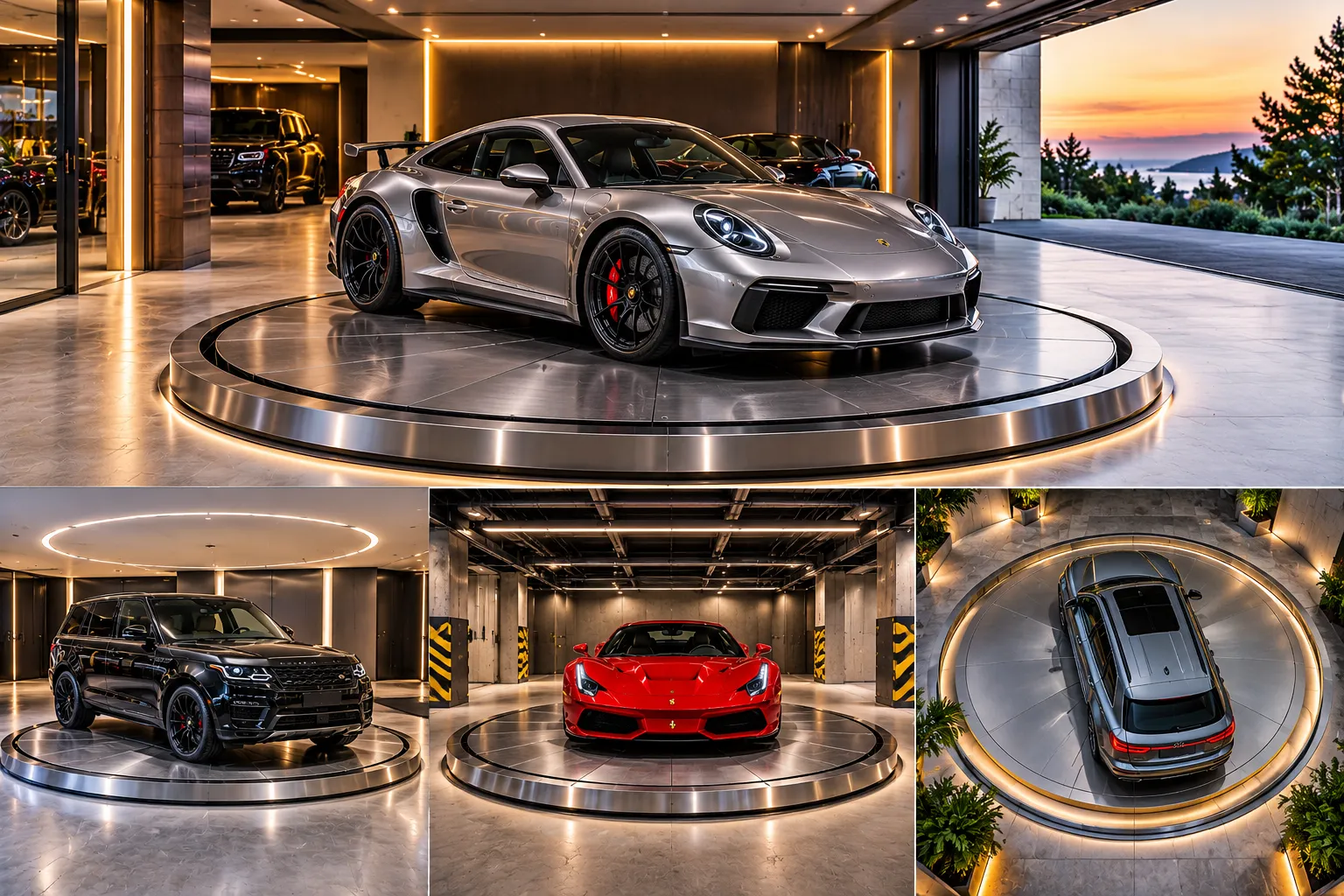
Professional automotive photography requires consistency, careful positioning, and the ability to capture a vehicle from every angle. An automotive turntable helps photographers achieve these goals by rotating a car smoothly while the camera and lighting equipment remain in position. CarTurner's photo booth solution is designed for professional studios that need dependable performance and polished visual results. Instead of repeatedly repositioning a vehicle, photographers can capture a complete set of exterior views with greater efficiency. The rotating surface also makes it easier to maintain consistent framing across different vehicles, which is particularly useful for dealerships, online listings, and automotive marketing campaigns. A well-planned photography setup can improve workflow while presenting each vehicle in a more engaging way. By combining controlled rotation with thoughtful lighting and camera placement, studios can create detailed images that help potential buyers appreciate the vehicle's design, condition, and distinctive features. This approach can also make image production more predictable when multiple cars need to be photographed in a single session. With a consistent setup, photographers can focus more attention on composition and presentation rather than repeatedly adjusting the vehicle's position.
Choosing the Right Platform Size for Your Studio
Selecting the correct platform begins with measuring the available studio space and identifying the types of vehicles that will be photographed. CarTurner offers two sizes, providing flexibility for different professional environments. The standard model has a 13-foot-4-inch turning surface and a 15-foot-4-inch total footprint, while the extended model provides a 16-foot-4-inch turning surface and an 18-foot-4-inch total footprint. These dimensions help studio operators evaluate how the equipment will fit into their existing layout. CarTurner also recommends at least three feet of clearance around each side of the platform for photo booth use. This additional room helps photographers arrange lighting stands, cameras, and other equipment without making the workspace feel cramped. Before purchasing, measure the room carefully, account for doors and access routes, and consider the largest vehicle you expect to photograph. Choosing the right dimensions can support a more comfortable and productive photography workflow. It is also helpful to consider whether the studio will primarily photograph compact cars, luxury sedans, SUVs, or a varied inventory. Planning for these needs in advance can reduce layout changes and help maintain a practical working environment as photography requirements evolve.
Comparing Stainless Steel Finishes for Better Visual Results
The finish of a photography platform can influence the overall appearance of the studio and the way a vehicle is presented. CarTurner lists three stainless steel finish options: brushed, mirror, and powder-coated. The brushed finish offers a subtle, understated appearance that suits professional environments where a clean background is important. The mirror finish creates reflective effects that can add visual depth to photographs, especially when highlighting premium paintwork and carefully styled vehicles. Powder-coated stainless steel offers another option for studios that prefer a distinctive appearance. The choice should reflect the intended photography style, lighting arrangement, and brand identity. For example, a studio producing straightforward inventory images may prefer a restrained finish, while a luxury automotive photographer may explore reflections for more dramatic compositions. A carefully selected finish can complement the vehicle without distracting from it, helping the resulting images look consistent across a collection of cars. Photographers should test their lighting with the selected surface to understand how reflections appear around the vehicle's bodywork. This simple preparation can help them choose angles and lighting positions that highlight the car while keeping unwanted glare under control.
Using Wireless Controls to Simplify Every Shoot
An efficient photography workflow depends on controlling movement without constantly interrupting camera work. CarTurner's system includes wireless controls that allow the operator to start, stop, and adjust rotation remotely. This arrangement makes a vehicle turntable particularly useful when a photographer needs to remain near a camera, monitor, or lighting setup while changing the vehicle's position. The product page also highlights smooth rotation and safety features, including automatic stopping mechanisms. These features support controlled operation and help reduce unnecessary movement during a shoot. Photographers can plan their camera positions in advance, establish repeatable angles, and coordinate rotation with their lighting arrangement. Preset stopping positions are also described in the product FAQs, allowing vehicles to stop at selected points. Together, these controls can make the process more organized and repeatable, particularly in studios that photograph several vehicles in a working day. Remote operation can also help teams coordinate their tasks more effectively when one person manages the camera while another oversees the vehicle's movement. Following the manufacturer's operating and safety instructions remains essential to ensure that each photography session proceeds in a controlled manner.
Improving Image Consistency and 360-Degree Presentation
Online vehicle listings increasingly benefit from photography that gives shoppers a clearer understanding of a car's exterior. A car rotating platform allows the vehicle to turn through different angles while the camera maintains a consistent position. This can help photographers capture the front, rear, sides, and intermediate views without repeatedly moving the car around the studio. Consistency is valuable when producing images for dealership websites, inventory platforms, and promotional campaigns, where customers may compare several vehicles side by side. CarTurner's photography information emphasizes uniform shots, creative flexibility, and smooth movement. Photographers can build on these capabilities by keeping camera height, exposure, and lighting positions consistent throughout the session. A thoughtfully planned sequence also makes it easier to organize images for an interactive viewing experience. The result is a more complete visual presentation that allows potential buyers to examine exterior styling and visible details before arranging an in-person inspection. A well-organized image sequence can also make online inventory pages look more professional and easier to browse. By capturing consistent angles for every vehicle, dealerships can create a recognizable presentation style that supports their broader marketing efforts.
Understanding Mounting Options and Installation Requirements
Planning the installation correctly can help a photography studio avoid unnecessary disruption. CarTurner offers surface-mounted and flush-mounted configurations. The surface-mounted option is designed to avoid concrete work, while the flush-mounted version requires a recessed installation and comes with a form to support that configuration. According to the product FAQs, a standard installation typically takes four to five hours, while an extended model generally takes six to seven hours. The exact preparation depends on the selected mounting arrangement and site conditions. A vehicle turntable should be positioned with sufficient room for the car to enter and leave safely, as well as space for photography equipment and personnel. Before installation, operators should confirm floor suitability, electrical access, and clearance requirements. CarTurner describes its system as using a 24-volt DC setup and a plug-and-play design. Checking these details in advance helps studios plan their layout and coordinate installation more efficiently. It is also sensible to arrange installation around the studio's operating schedule to minimize interruptions to existing photography work. Confirming site preparation and installation requirements with the manufacturer beforehand can help prevent avoidable delays and ensure the chosen configuration suits the available space.
Evaluating Pricing, Durability, and Studio Value
Equipment purchasing decisions should consider the initial price, expected workload, and long-term usefulness. CarTurner's published photo booth pricing varies by platform size, finish, and mounting configuration. For the brushed stainless steel finish, the standard surface-mounted option is listed at $16,600, while the extended surface-mounted version is $23,800. Powder-coated stainless steel models start at $17,600 for the standard surface-mounted configuration, and mirror-finish models start at $19,000. Flush-mounted options cost more than their corresponding surface-mounted versions. These published figures give studio operators a practical starting point when comparing configurations. The manufacturer also states that its platform can accommodate vehicles weighing up to 10,000 pounds. A car rotating platform with appropriate capacity and a suitable finish can become a useful part of a professional imaging setup. Buyers should confirm current pricing, installation arrangements, and configuration details directly with the manufacturer before making a final purchasing decision. Studios should also consider how frequently the equipment will be used and whether its features support their typical photography requirements. Comparing the available finishes, dimensions, and installation choices together can help buyers make a more informed investment decision without paying for features that do not suit their workflow.
Why an Automotive Turntable Is a Valuable Photography Investment
A professional photography studio needs equipment that supports repeatable results without making everyday operations unnecessarily complicated. An automotive turntable can help achieve that balance by combining controlled vehicle rotation, wireless operation, and finish options suited to different studio environments. CarTurner's standard and extended sizes provide choices for different space requirements, while surface-mounted and flush-mounted configurations allow operators to consider their installation preferences. These capabilities are particularly relevant to dealerships, vehicle marketing teams, and photographers producing detailed automotive imagery. A reliable vehicle turntable can reduce the need to reposition cars manually and help maintain a consistent camera setup across multiple shoots. Meanwhile, a properly selected car rotating platform can support more engaging exterior photography and improve the overall presentation of inventory. By evaluating dimensions, vehicle weight, mounting requirements, and finish options before purchasing, photography professionals can select a system that aligns with their workflow and creates a strong foundation for high-quality vehicle images. The right setup can also help teams maintain a consistent visual standard as their inventory grows. For studios seeking to improve vehicle presentation, careful planning and selecting suitable equipment are practical steps toward a more efficient and professional photography process.