Anti-Vibration Mount: A Practical Guide to Choosing, Installing, and Maintaining the Right Mount
68 Views
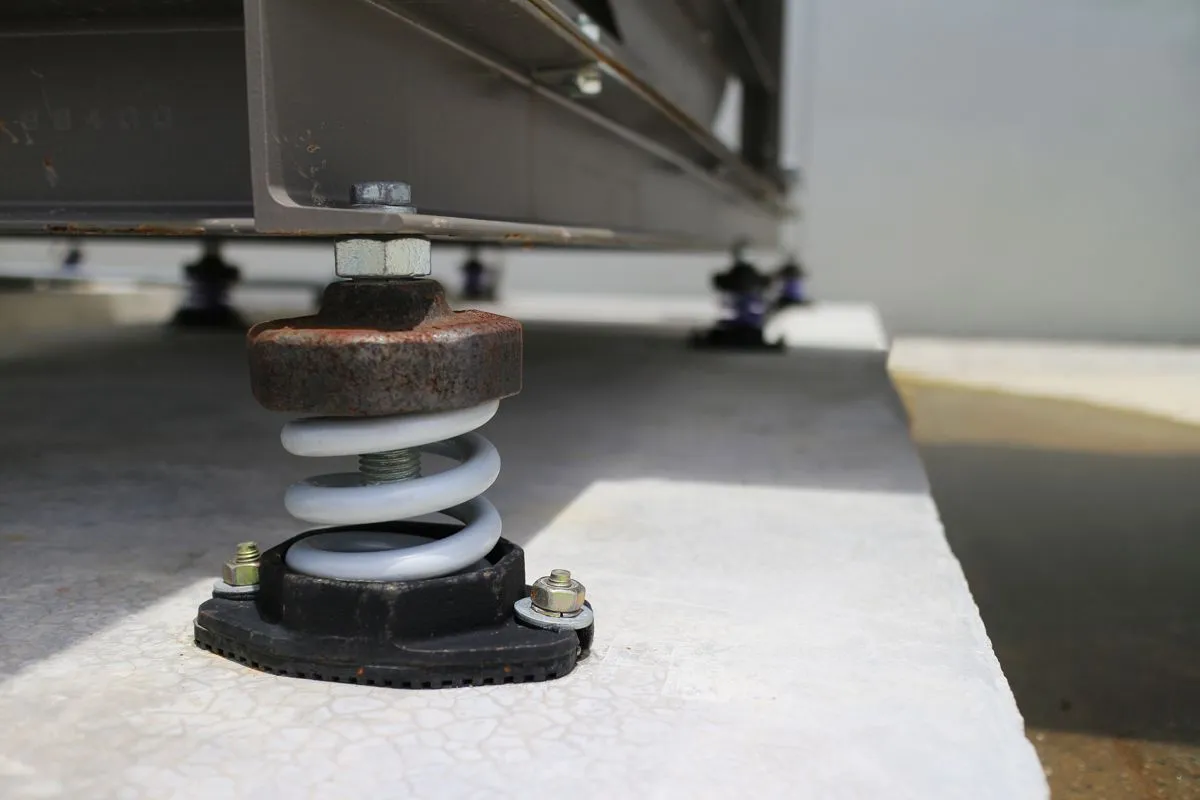
Vibration is a common challenge in machinery, vehicles, HVAC systems, generators, pumps, and industrial equipment. When moving components are not properly isolated, vibration can travel through the equipment frame and into surrounding structures. Over time, this can create excessive noise, loosen fasteners, accelerate wear, and contribute to premature component failure. Selecting the right anti-vibration mount can help control these problems at their source.
An effective isolation system is about more than simply placing rubber between a machine and its mounting surface. The mount must support the equipment's weight, handle operating forces, accommodate movement, and provide the appropriate level of vibration isolation. Choosing the wrong mount can sometimes make vibration worse rather than better.
What Is an Anti-Vibration Mount?
An anti-vibration mount is a mechanical component designed to isolate equipment from unwanted vibration and shock. It typically sits between a machine and its supporting structure, reducing the amount of vibration transferred from one to the other.
Many mounts use elastomeric materials such as rubber or synthetic compounds. Other designs incorporate springs, metal components, wire rope, or combinations of different materials. The appropriate design depends on the equipment, operating conditions, load, vibration frequency, and installation environment.
For example, a small electric motor may require a compact rubber mount, while a large industrial generator could require heavy-duty spring isolators. A laboratory instrument may need a highly sensitive isolation system designed to prevent even small external vibrations from affecting measurements.
Why Vibration Isolation Matters
Uncontrolled vibration can affect both machinery and people.
Common consequences include:
- Increased mechanical wear
- Loosened bolts and fasteners
- Excessive operating noise
- Fatigue cracks in structural components
- Damage to bearings and connected equipment
- Reduced measurement accuracy
- Poor product quality
- Increased maintenance requirements
In manufacturing environments, vibration can also affect nearby machines. A vibrating compressor, for instance, may transmit energy through the floor and interfere with precision equipment located several feet away.
How to Choose the Right Mount
Choosing a mount should begin with the actual operating conditions rather than simply selecting the largest or most durable-looking product.
1. Determine the Equipment Weight
Start by identifying the total supported weight. This includes the machine itself and any components permanently attached to it.
If several mounts support the same machine, divide the load appropriately among them. However, do not automatically assume that each mount carries exactly the same load. Uneven weight distribution can place significantly more stress on mounts positioned beneath heavier components.
2. Identify the Operating Frequency
Vibration isolation depends heavily on frequency. The operating speed of rotating equipment can help determine the excitation frequency.
For example, a motor operating at 1,800 revolutions per minute produces a fundamental rotational frequency of approximately 30 Hz. Other components may introduce additional vibration frequencies.
Understanding these frequencies helps engineers select an isolation system that can effectively reduce the unwanted vibration.
3. Consider Static Deflection
Static deflection refers to how much a mount compresses under the equipment's weight. It is an important factor because the mount's stiffness influences its natural frequency.
A mount that is too stiff may transmit considerable vibration. Conversely, an excessively soft mount may allow too much movement during startup, shutdown, or changing operating conditions.
The goal is to find an appropriate balance between isolation and stability.
4. Evaluate Environmental Conditions
The surrounding environment can significantly affect mount performance.
Consider exposure to:
- Oil and chemicals
- Extreme temperatures
- Moisture
- Outdoor weather
- Dust and contaminants
- Ultraviolet radiation
- Corrosive materials
A rubber compound that performs well in a clean indoor environment may deteriorate faster when exposed to petroleum products or high temperatures.
5. Check Dynamic Loads
Machines rarely experience only their static weight. Motors, compressors, pumps, fans, and engines can generate dynamic forces during normal operation.
Startup and shutdown can also create temporary loads. Equipment that changes speed frequently may require a mounting system capable of handling these variations without excessive movement.
Installing an Anti-Vibration Mount Correctly
Even a high-quality mount can perform poorly when installed incorrectly.
First, make sure the mounting surface is clean, stable, and capable of supporting the equipment. Remove debris, corrosion, or material that could prevent proper contact.
Next, position the mounts according to the equipment manufacturer's recommended configuration. Mount placement affects how the load is distributed and how the machine moves during operation.
Fasteners should be tightened according to the specified torque. Over-tightening can compress certain elastomeric mounts excessively and alter their intended stiffness. Under-tightening can allow movement and create additional noise or mechanical stress.
After installation, operate the equipment under normal conditions and observe its behavior. Look for excessive movement, unusual noise, contact between components, or visible deformation.
Common Mistakes and Challenges
One of the most common mistakes is selecting mounts based solely on load capacity. A mount may technically support the equipment but still provide poor vibration isolation because its stiffness or operating characteristics are unsuitable.
Another mistake is ignoring uneven loading. If four mounts are installed under a machine but most of the weight sits toward one side, the actual load on each mount may differ substantially.
Improper installation is another frequent problem. Misalignment, excessive compression, incorrect fastener torque, or unsuitable mounting surfaces can reduce effectiveness.
It is also important not to confuse vibration isolation with noise control. Reducing vibration often reduces structure-borne noise, but airborne noise may require additional measures such as acoustic enclosures, barriers, or insulation.
Practical Tips for Better Performance
Before purchasing mounts, collect as much information about the equipment as possible. Record its total weight, dimensions, operating speed, mounting points, and typical operating environment.
If possible, measure vibration rather than relying only on visual observations. Vibration meters and accelerometers can help identify dominant frequencies and determine whether the problem comes from imbalance, misalignment, resonance, or another mechanical issue.
Inspect mounts periodically. Look for cracking, tearing, permanent deformation, corrosion, or unusual movement. Rubber and other elastomeric materials naturally age, so a mount that worked correctly for years may eventually require replacement.
When replacing mounts, investigate why the original components failed. If a mount deteriorated unusually quickly, the underlying issue could involve excessive heat, chemical exposure, overloading, misalignment, or an incorrect mount specification.
For critical machinery, consider the entire isolation system rather than treating each mount as an independent component. The equipment, mounts, foundation, fasteners, and surrounding structure all interact mechanically.
Conclusion
Effective vibration isolation starts with understanding the equipment rather than simply choosing a mount by size or appearance. Weight, operating frequency, dynamic forces, environmental conditions, static deflection, and mounting configuration all influence performance.
The best results come from matching the isolation system to the machine's actual operating requirements and installing it correctly. Regular inspection is equally important because deterioration, loading changes, and mechanical problems can gradually reduce isolation performance.
When these factors are considered together, vibration mounts can help extend equipment life, reduce unwanted noise, improve operating stability, and protect surrounding structures from unnecessary mechanical energy.