Analytical Balance: A Complete Guide to Precision Weighing
By Sail Mehboob
99 Views
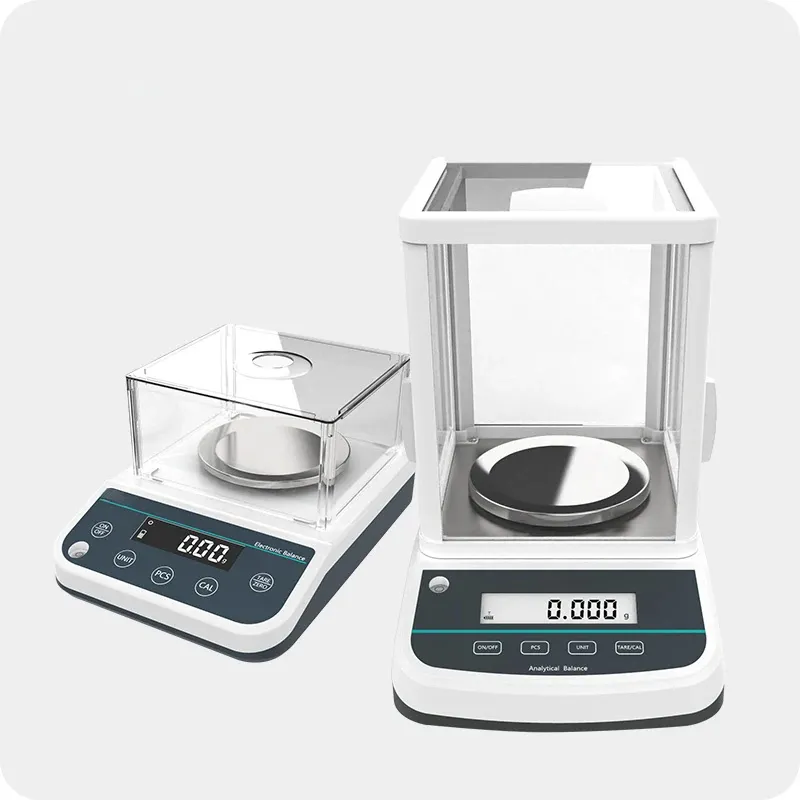
An analytical balance is a highly accurate laboratory instrument used for measuring small quantities of mass with extreme precision. It is one of the most important tools in scientific laboratories, pharmaceutical industries, research centers, educational institutions, and quality control departments. Unlike ordinary weighing scales, analytical balances are designed to detect very small weight differences, making them essential for tasks that require precise measurement.
In modern laboratories, accurate measurement is critical for ensuring reliable results and maintaining product quality. Analytical balances help scientists, researchers, and technicians perform sensitive weighing operations efficiently and accurately. As industries continue advancing in technology and research, the demand for high-quality analytical balances has increased significantly worldwide.
What Is an Analytical Balance?
An analytical balance is a digital weighing instrument capable of measuring mass with readability typically up to 0.0001 grams. These balances are specially designed for high-precision applications where even the smallest error can affect the final outcome.
One of the most noticeable features of an analytical balance is the glass enclosure surrounding the weighing pan. This enclosure, known as a draft shield, protects the measurement process from environmental disturbances such as airflow, dust, and vibrations.
Analytical balances use advanced electromagnetic force restoration technology to measure weight accurately. The instrument detects the force created by the sample’s mass and converts it into a precise digital reading.
Importance of Analytical Balances
Analytical balances play a vital role in industries and laboratories where precision is essential. Small inaccuracies in measurement can lead to major problems in scientific experiments, medicine production, or product testing.
In pharmaceutical manufacturing, precise ingredient measurements are necessary to ensure medicine safety and effectiveness. In chemical laboratories, accurate weighing is required for preparing solutions and conducting experiments. Food testing laboratories also depend on analytical balances for nutritional analysis and quality control.
Without analytical balances, many scientific and industrial processes would become unreliable and inconsistent.
Features of Modern Analytical Balances
Modern analytical balances are equipped with advanced technologies that improve performance, efficiency, and ease of use.
High Measurement Accuracy
Analytical balances are capable of measuring extremely small masses with excellent precision. This allows laboratories to perform delicate experiments and testing procedures confidently.
Draft Shield Protection
The draft shield protects the weighing process from air movement and contamination. This feature helps maintain stable and reliable measurements.
Digital Display System
Most analytical balances include high-resolution digital displays that provide clear and accurate readings.
Automatic Calibration
Many modern balances have internal automatic calibration systems that adjust the instrument regularly to maintain precision.
Data Connectivity
Advanced balances support USB, Bluetooth, or wireless communication for transferring measurement data directly to computers or laboratory software.
Multiple Weighing Modes
Users can select different weighing units and operational modes depending on the application requirements.
Working Principle of Analytical Balances
Analytical balances operate using electromagnetic force compensation technology. When a sample is placed on the weighing pan, the balance detects the downward force caused by gravity.
An electromagnetic system generates an opposing force to restore equilibrium. The amount of force required is then measured electronically and displayed as the weight of the sample.
This highly sensitive system enables analytical balances to provide extremely accurate and repeatable measurements.
Applications of Analytical Balances
Analytical balances are used in many professional fields and industries.
Pharmaceutical Laboratories
Pharmaceutical companies use analytical balances to measure chemicals and active ingredients during medicine production. Precision is critical for ensuring patient safety and regulatory compliance.
Chemical Industry
Chemists use analytical balances for preparing compounds, analyzing materials, and performing laboratory experiments.
Educational Institutions
Schools, colleges, and universities use analytical balances for laboratory training and scientific research.
Food and Beverage Testing
Food laboratories use analytical balances to analyze ingredients, additives, and nutritional content.
Environmental Analysis
Environmental scientists rely on analytical balances for studying soil, water, and air samples.
Jewelry Measurement
Precise weighing is essential in the jewelry industry for measuring gemstones, gold, and other valuable materials.
Advantages of Analytical Balances
Analytical balances provide several important benefits that make them essential in modern laboratories.
Superior Precision
Their ability to detect extremely small mass changes ensures accurate laboratory results.
Reliable Performance
Analytical balances provide stable and repeatable measurements over time.
Improved Productivity
Automatic calibration and digital systems help laboratories save time and reduce manual work.
Enhanced Data Management
Modern balances can connect with software systems for electronic record keeping and reporting.
Better Quality Control
Accurate weighing improves consistency and product quality in manufacturing processes.
Factors Affecting Analytical Balance Accuracy
Several environmental and operational factors can influence the performance of analytical balances.
Air Currents
Even small air movements can affect highly sensitive measurements. This is why draft shields are essential.
Temperature Changes
Temperature fluctuations may impact balance performance and calibration accuracy.
Vibrations
Nearby equipment or unstable surfaces can interfere with measurements.
Humidity
Excessive moisture can affect both the balance and the sample being weighed.
Improper Handling
Touching samples with bare hands or overloading the balance may reduce accuracy.
Proper Maintenance of Analytical Balances
Regular maintenance is important for ensuring long-term accuracy and durability.
Routine Calibration
Calibration should be performed regularly to maintain precise measurements.
Cleaning Procedures
Balances should be cleaned carefully to remove dust, chemicals, and residue.
Stable Installation
The instrument should be placed on a solid, vibration-free surface.
Environmental Control
Laboratories should maintain stable temperature and humidity conditions.
Professional Servicing
Periodic inspection and servicing by qualified technicians help prevent technical problems.
Technological Advancements in Analytical Balances
Technology has transformed analytical balances into highly advanced laboratory systems. Modern instruments now include smart features that improve efficiency and automation.
Some recent innovations include:
- Touchscreen interfaces
- Automatic leveling systems
- Cloud data storage
- User access control
- Real-time diagnostics
- Wireless communication
- Integrated laboratory software support
Artificial intelligence and automation are expected to further improve analytical balance performance in the future.
Choosing the Right Analytical Balance
Selecting the appropriate analytical balance depends on laboratory needs and application requirements.
Important considerations include:
- Required measurement precision
- Maximum capacity
- Calibration method
- Connectivity options
- Environmental conditions
- Compliance standards
- Budget requirements
Choosing the correct balance helps laboratories maintain accuracy, efficiency, and compliance with industry regulations.
Challenges of Using Analytical Balances
Although analytical balances are highly useful, they also present certain challenges.
High Sensitivity
Their sensitivity requires careful handling and controlled laboratory conditions.
Cost
High-precision balances are generally more expensive than standard weighing scales.
Maintenance Requirements
Regular calibration and servicing are necessary to maintain performance.
User Training
Laboratory staff must understand proper operating procedures to avoid errors.
Future of Analytical Balances
The future of analytical balances is closely connected with laboratory automation and smart technology. Manufacturers are developing more intelligent systems capable of integrating with laboratory management platforms and automated workflows.
Smart balances with cloud connectivity and artificial intelligence may soon provide predictive maintenance, automatic error correction, and advanced data analysis capabilities.
As scientific research and industrial quality standards continue evolving, analytical balances will remain essential tools in laboratories worldwide.
Conclusion
Analytical balances are among the most important instruments used in modern scientific and industrial laboratories. Their ability to provide highly accurate and reliable measurements supports research, manufacturing, quality control, and product development across many industries.