Understanding Aircraft Hardware: Types, Functions, and Applications
By RFQ Experts
127 Views
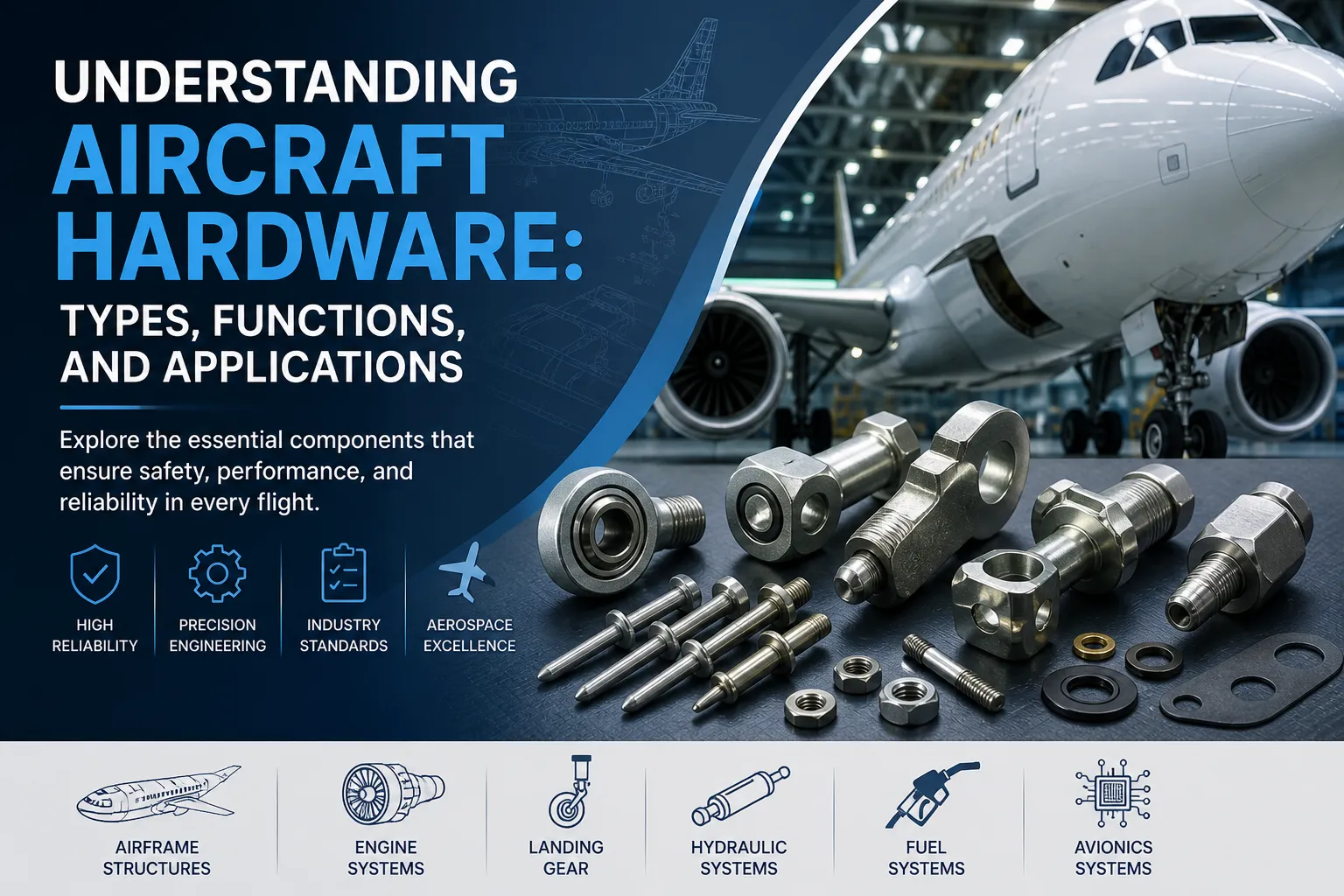
In the highly regulated and precision-driven aerospace industry, aircraft hardware plays a crucial role in ensuring safety, performance, and reliability. From structural fasteners to specialized fittings, every component must meet strict standards and perform flawlessly under extreme operating conditions. For organizations responding to aerospace RFQs, a clear understanding of aircraft hardware is essential to deliver accurate, compliant, and competitive proposals.
At RFQ Experts, we support businesses in navigating complex aerospace requirements by providing end-to-end RFQ and proposal management services tailored to technical industries like aviation.
What is Aircraft Hardware?
Aircraft hardware refers to the wide range of mechanical components used in the construction, assembly, and maintenance of aircraft. These include fasteners, bearings, connectors, and other essential parts that ensure structural integrity and system functionality.
Unlike general industrial hardware, aviation components must comply with stringent aerospace standards and certifications to withstand high stress, vibration, temperature fluctuations, and pressure variations.
Types of Aircraft Hardware
Understanding the different types of aircraft hardware is critical when preparing technical documentation and RFQ responses.
1. Fasteners
Fasteners are the backbone of aircraft assembly, used to join structural components securely.
- Bolts and Nuts: Provide high-strength connections in critical areas
- Rivets: Commonly used for permanent structural joints
- Screws: Ideal for removable panels and access points
- Washers: Distribute loads and prevent surface damage
2. Bearings
Bearings enable smooth movement and reduce friction in rotating or moving parts such as engines, landing gear, and control systems.
3. Pins and Retaining Devices
Used for alignment and securing components, these allow for quick assembly and maintenance.
4. Springs
Springs are essential for absorbing shock, maintaining tension, and supporting mechanical operations.
5. Fittings and Connectors
These components are used in hydraulic, fuel, and pneumatic systems to ensure secure and leak-proof connections.
6. Seals and Gaskets
They prevent leakage and protect systems from contamination, ensuring operational efficiency.
Functions of Aircraft Hardware
Aircraft hardware serves several vital functions:
- Structural Integrity: Ensures all parts of the aircraft remain securely connected
- Load Management: Distributes stress evenly across the structure
- Vibration Control: Reduces wear caused by continuous motion
- System Efficiency: Supports smooth operation of mechanical and fluid systems
- Safety Compliance: Meets strict aerospace safety standards
For companies bidding on aerospace contracts, clearly defining these functions in proposals is key to demonstrating technical capability.
Applications in the Aerospace Industry
Aircraft hardware is used across all major systems:
- Airframe: Assembly of fuselage, wings, and tail structures
- Engines: High-performance components designed for extreme conditions
- Landing Gear: Durable hardware for safe takeoff and landing
- Avionics: Secure mounting of electronic systems
- Hydraulic and Fuel Systems: Leak-proof fittings and seals
Each application requires precise specifications, making detailed RFQ responses essential for successful project acquisition.
Material Considerations
Aircraft hardware is manufactured using advanced materials such as:
- Titanium: Lightweight with exceptional strength
- Stainless Steel: Corrosion-resistant and durable
- Aluminum Alloys: Widely used for structural applications
- High-Temperature Alloys: Suitable for engine environments
Selecting the right material is critical and often specified in RFQs, requiring careful analysis and documentation.
Standards and Compliance
Aviation hardware must adhere to internationally recognized standards, including:
- AN (Air Force-Navy) Standards
- MS (Military Standards)
- NAS (National Aerospace Standards)
Compliance with these standards is a key requirement in RFQs and plays a major role in evaluation and contract awards.
How RFQ Experts Supports Aerospace Businesses
Responding to aerospace RFQs can be complex and time-consuming, especially when dealing with detailed hardware specifications and compliance requirements. RFQ Experts helps organizations:
- Analyze RFQ requirements thoroughly
- Develop accurate and compelling technical proposals
- Ensure compliance with aerospace standards
- Improve response speed and quality
- Increase win rates for high-value contracts
Our expertise allows businesses to focus on their core operations while we handle the complexities of proposal management.
Conclusion
Understanding aircraft hardware is essential for anyone involved in the aerospace industry, particularly when responding to RFQs and preparing technical proposals. From fasteners to advanced fittings, each component plays a critical role in ensuring aircraft safety and performance.
With the right knowledge and expert support from RFQ Experts, businesses can confidently navigate complex RFQs, deliver high-quality responses, and secure more opportunities in the competitive aerospace sector.
Related Reading
Top 10 Hidden Secrets About Business & Finance You Need to Know
Welcome to our in-depth exploration of Business & Finance. In an era defined...
Why Business & Finance is Transforming the Global Industry Landscape
Welcome to our in-depth exploration of Business & Finance. In an era defined...