Advanced Industrial 3D Printing with High-Temperature Performance Systems by Alpha Additive Manufacturing Technologies
By Alpha amt
74 Views
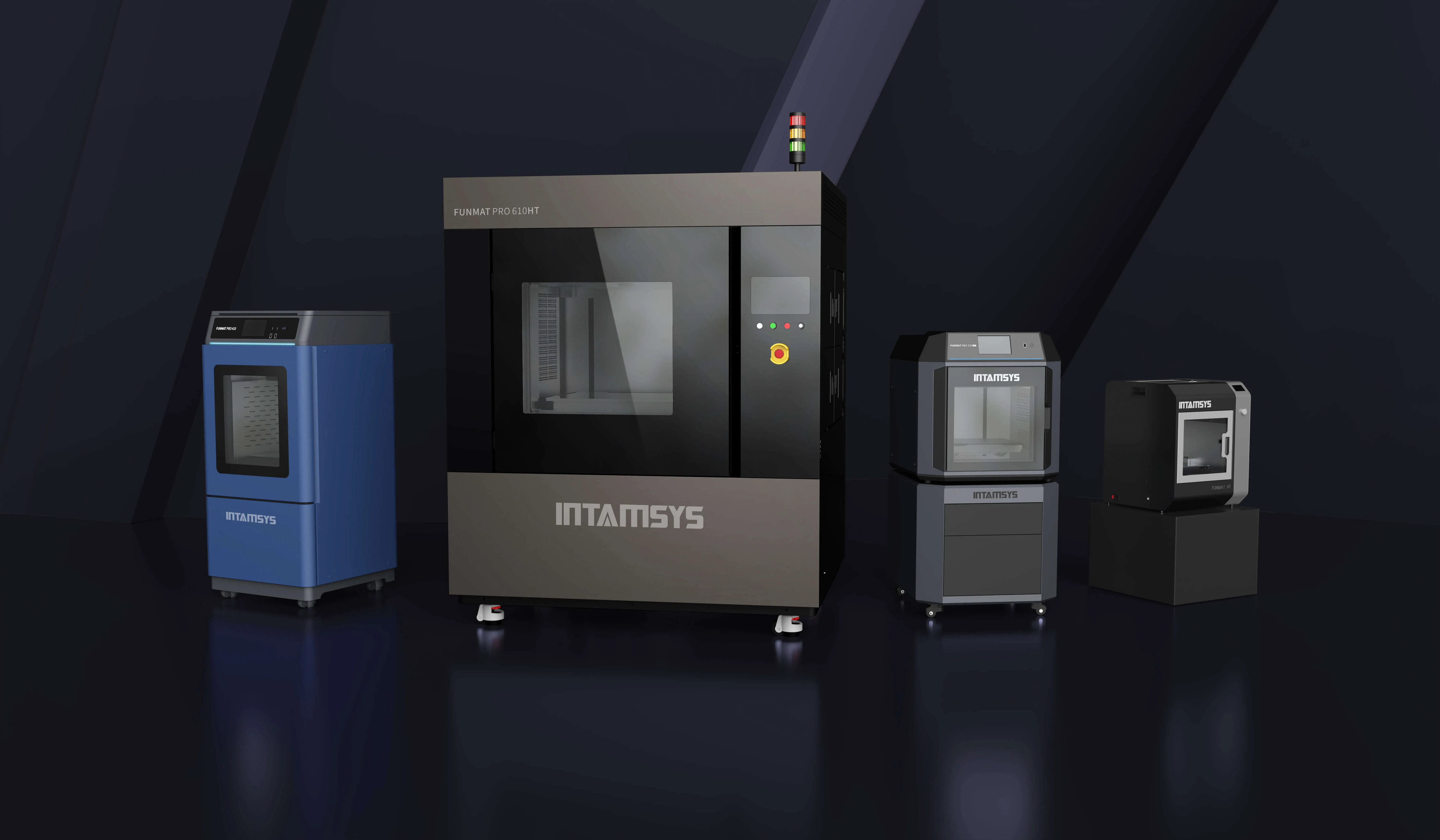
Alpha Additive Manufacturing Technologies delivers advanced high temperature 3D printer systems designed for demanding engineering environments where extreme heat resistance, mechanical strength, and precision are essential. Modern manufacturing industries such as aerospace, automotive, oil & gas, medical, and electronics require components that can withstand high operating temperatures while maintaining structural integrity. High temperature 3D printing technology enables the production of such components using advanced thermoplastics like PEEK, PEKK, ULTEM (PEI), PPSU, and high-performance composites.
This detailed overview explains how Alpha Additive Manufacturing Technologies supports high temperature industrial 3D printing solutions, their features, materials, applications, and advantages in modern manufacturing.
1. Alpha Additive Manufacturing Technologies – Industrial High Temperature 3D Printing
Alpha Additive Manufacturing Technologies is a leading provider of industrial additive manufacturing solutions focused on high temperature and engineering-grade 3D printing systems. The company enables industries to shift from conventional manufacturing methods to advanced digital production systems capable of producing functional, heat-resistant, and high-performance parts.
High temperature 3D printing is a specialized category of additive manufacturing where printers are engineered to operate at:
- Extremely high nozzle temperatures (often 400°C–500°C+)
- Heated build plates up to 150°C–200°C
- Fully enclosed heated chambers
- Controlled thermal environments to prevent warping
These conditions are necessary for printing advanced engineering polymers that cannot be processed in standard desktop 3D printers.
2. What is a High Temperature 3D Printer?
A high temperature 3D printer is an industrial-grade additive manufacturing system designed to process materials that require extreme heat to melt, bond, and stabilize during printing.
Key capabilities include:
- High extrusion temperatures (up to 500°C in advanced systems)
- Heated chamber technology for thermal stability
- Compatibility with ultra-high-performance polymers
- Precision motion systems for dimensional accuracy
- Continuous operation for industrial production
These printers are essential for producing parts that must withstand harsh environments, chemical exposure, and high mechanical stress.
3. Materials Used in High Temperature 3D Printing
High temperature industrial printers from Alpha Additive Manufacturing Technologies support a wide range of advanced polymers:
i. PEEK (Polyether Ether Ketone)
- Continuous service temperature up to 260°C
- Extremely high mechanical strength
- Used in aerospace, automotive, and medical implants
ii. PEKK (Polyether Ketone Ketone)
- Superior chemical and heat resistance
- High structural performance
- Ideal for aerospace structural parts
iii. ULTEM / PEI (Polyetherimide)
- Flame retardant and heat resistant
- Widely used in aircraft interiors
- Excellent dimensional stability
iv. PPSU (Polyphenylsulfone)
- High impact resistance
- Withstands repeated sterilization cycles
- Common in medical applications
v. Carbon Fiber and Glass Fiber Reinforced Polymers
- Enhanced stiffness and strength
- Reduced weight
- Improved thermal stability
These materials make high temperature 3D printing suitable for mission-critical industrial applications.
4. Features of Industrial High Temperature 3D Printers
High temperature printers are designed with advanced engineering systems to ensure precision and reliability.
- Heated Chamber Technology: Maintains stable internal temperatures to prevent warping and cracking during printing.
- High-Temperature Nozzles: Capable of reaching extreme temperatures required for PEEK and PEKK processing.
- Precision Motion Systems: Ensures accurate layer deposition and repeatability.
- Advanced Cooling Control: Controls cooling rates to maintain part integrity and structural strength.
- Dual Extrusion Systems: Allows printing with multiple materials, including support structures.
- Industrial Build Quality: Designed for continuous operation in production environments.
5. Industrial Applications of High Temperature 3D Printing
High temperature additive manufacturing is transforming multiple industries by enabling direct production of functional, high-performance parts.
i. Aerospace Industry
High temperature 3D printing is widely used in aerospace due to strict performance requirements.
Applications include:
- Engine ducting systems
- Heat-resistant structural components
- Cabin interior parts
- UAV and drone frames
Materials like ULTEM and PEEK are essential for compliance with aerospace safety standards.
ii. Automotive Industry
Automotive manufacturers use high temperature 3D printing for:
- Engine compartment components
- Lightweight structural parts
- Prototyping heat-resistant parts
- Custom tooling and fixtures
These parts help improve fuel efficiency and reduce production costs.
iii. Oil & Gas Industry
In extreme environments, components must resist heat, pressure, and chemicals.
Applications include:
- Valve components
- Pump housings
- Chemical-resistant seals
- Replacement machine parts
High temperature polymers ensure durability in harsh operational conditions.
iv. Medical Industry
High temperature 3D printing is used for sterilizable and biocompatible applications:
- Surgical instruments
- Custom medical devices
- Sterilization-resistant components
- Anatomical models
Materials like PPSU and PEEK are widely used in healthcare environments.
v. Electronics and Electrical Industry
Applications include:
- Heat-resistant housings
- Electrical insulation parts
- Precision enclosures
- Thermal management components
These components protect sensitive electronics from heat damage.
6. Advantages of High Temperature Industrial 3D Printing
High temperature additive manufacturing offers several key benefits for industrial users:
- Extreme Heat Resistance: Parts can operate in high-temperature environments without deformation.
- Superior Mechanical Strength: High-performance polymers deliver excellent durability.
- Lightweight Design: Reduces weight while maintaining structural integrity.
- Complex Geometry Production: Enables manufacturing of shapes impossible with traditional methods.
- Reduced Manufacturing Time: Eliminates molds, tooling, and machining processes.
- Cost Efficiency for Low to Medium Production: Ideal for customized and small-batch manufacturing.
7. Role of Alpha Additive Manufacturing Technologies in Industrial Adoption
Alpha Additive Manufacturing Technologies plays a critical role in helping industries adopt high temperature 3D printing technologies by providing:
- Industrial printer deployment and integration
- Material selection support
- Application engineering services
- Workflow optimization for production environments
- Technical training and maintenance support
This ensures smooth transition from traditional manufacturing to advanced additive production systems.
8. Future of High Temperature 3D Printing
The future of high temperature industrial 3D printer is rapidly expanding due to increasing demand for performance materials and digital manufacturing systems.
Key trends include:
- Increased adoption in mass production
- AI-based process optimization
- Fully automated industrial 3D printing farms
- Expansion of PEEK and PEKK applications
- Integration with Industry 4.0 smart factories
As industries demand stronger, lighter, and more heat-resistant components, high temperature 3D printing will become a core manufacturing technology.
Conclusion
High temperature 3D printers by Alpha Additive Manufacturing Technologies represent a major advancement in industrial additive manufacturing for extreme engineering applications. By enabling the processing of advanced polymers like PEEK, PEKK, ULTEM, and PPSU, these systems allow manufacturers to produce parts that withstand extreme heat, pressure, and mechanical stress.
From aerospace and automotive to medical and oil & gas industries, high temperature 3D printing is transforming how critical components are designed and manufactured. Supported by Alpha Additive Manufacturing Technologies, this technology bridges the gap between prototyping and full-scale industrial production. For more visit us!
Related Reading
Top 10 Hidden Secrets About Business & Finance You Need to Know
Welcome to our in-depth exploration of Business & Finance. In an era defined...
Why Business & Finance is Transforming the Global Industry Landscape
Welcome to our in-depth exploration of Business & Finance. In an era defined...