AC Repair Services in Salt Lake City with Expert Diagnosis and Repairs
86 Views
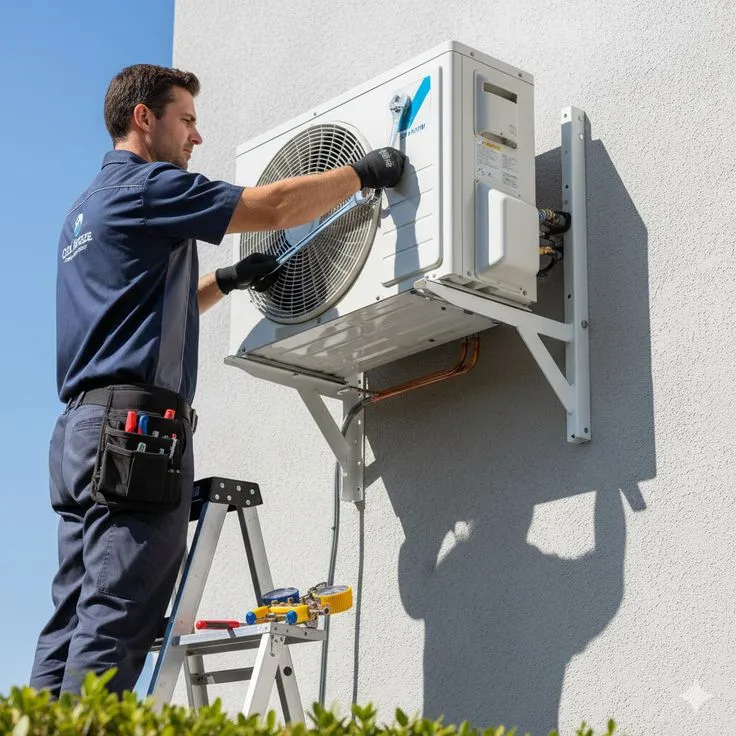
Salt Lake City summers bring intense heat, with temperatures regularly pushing past 100°F in July and August. When your cooling system starts showing signs of trouble, you need AC repair services in Salt Lake City that go beyond surface-level fixes you need accurate diagnosis, honest recommendations, and repairs that actually hold up through the season.
This guide covers what quality AC repair looks like, how to spot problems before they get expensive, and what separates a reliable HVAC provider from one that leaves you calling again two weeks later.
Why Expert Diagnosis Is the Foundation of Good AC Repair
A lot of AC repairs fail not because the technician lacked skill, but because the root cause was never properly identified. Replacing a part without understanding why it failed means the replacement often fails too sometimes faster than the original.
Expert diagnosis starts with a full system evaluation. A trained technician doesn't just check the obvious they inspect refrigerant levels, electrical connections, airflow, thermostat calibration, and the condition of both indoor and outdoor components. That complete picture is what allows them to recommend the right repair, not just the quickest one.
In Salt Lake City's climate, where systems run hard for months at a time, incomplete repairs don't last. The heat stress on components is significant, and a fix that ignores underlying issues will show its cracks by midsummer.
Accurate diagnosis also protects your wallet. A technician who identifies a failing capacitor before it takes out the compressor saves you from a repair bill that could be ten times larger.
Common AC Problems That Require Professional Attention in SLC
Salt Lake City's dry heat and dusty air create specific conditions that accelerate wear on certain AC components. Knowing the most common problems helps you recognize symptoms early and act before minor issues become major ones.
The most frequent issues local HVAC technicians encounter include:
- Low refrigerant levels caused by slow leaks in the refrigerant lines or evaporator coil
- Dirty or clogged air filters that restrict airflow and force the system to overwork
- Failing capacitors, which are responsible for starting and running the compressor and fan motors
- Frozen evaporator coils caused by restricted airflow or low refrigerant charge
- Condenser coils clogged with dust and debris, reducing the system's ability to release heat
- Faulty thermostats giving incorrect temperature readings and causing irregular cycling
Each of these problems has distinct symptoms. Warm air from vents, strange noises, ice on the unit, skyrocketing energy bills, or a system that won't turn on at all — these are all signals that it's time to stop waiting and call for a professional inspection.
AC Repair Services in Salt Lake City: What a Quality Provider Delivers
Not every HVAC company offers the same level of service. When you're searching for AC repair services in Salt Lake City, it helps to know exactly what a quality provider should bring to every job.
A professional service call should include:
- A thorough diagnostic inspection before any repair recommendations are made
- A written estimate that clearly outlines parts, labor, and any applicable warranties
- Licensed and certified technicians who are experienced with a range of equipment brands
- Transparent communication about what was found, what was fixed, and what to monitor going forward
- A satisfaction guarantee or warranty on parts and labor for the work performed
Beyond the technical side, the best providers respect your time. That means confirmed appointment windows, technicians who arrive prepared, and a process that doesn't drag out unnecessarily.
A company that ticks all these boxes isn't just solving your problem for today — they're building the kind of trust that keeps homeowners coming back and referring neighbors.
Mistakes Salt Lake City Homeowners Make With AC Repairs
Even homeowners who genuinely care about maintaining their systems sometimes make decisions that backfire. These are the most common missteps worth knowing before you book a service call.
Waiting too long to act is the biggest one. Utah summers are unforgiving, and a system that's struggling in June will often fail completely by the time August heat peaks. Early intervention is almost always cheaper and less stressful.
Choosing a provider based solely on price is another frequent mistake. A low quote can mean unlicensed work, substandard parts, or a technician who isn't equipped to handle the full scope of the problem. Value matters more than the lowest number on a quote.
Neglecting annual maintenance is a mistake that compounds over time. Skipping tune-ups might seem like a money saver, but it leads to dirtier coils, lower efficiency, and a higher likelihood of mid-season breakdowns. One maintenance visit a year is far cheaper than one emergency repair call.
Attempting refrigerant-related fixes without proper certification is both illegal and dangerous. Refrigerant handling requires EPA certification, and improper handling can damage the system and create safety hazards.
Finally, not asking about warranties leaves you exposed. Always confirm what's covered after the repair is done. A reputable company will stand behind their work without hesitation.
Preventive Tips to Reduce the Need for AC Repair Services in Salt Lake City
The best repair is the one you never need. A few consistent habits dramatically reduce the likelihood of breakdowns and keep your system running efficiently through the hottest months.
Start with your air filter. In SLC's dusty environment, filters can clog faster than in other climates. Check yours monthly and replace it every one to two months during heavy use periods.
Keep the outdoor condenser unit clear. Dust, cottonwood fluff, and dry debris accumulate quickly on the condenser coils. Gently rinsing the unit with a garden hose at the start of the season helps maintain airflow and heat transfer efficiency.
Schedule a professional tune-up every spring. A pre-season inspection catches developing problems while the system isn't yet under maximum load. It's the single most effective preventive step a homeowner can take.
Pay attention to how your system sounds and performs. Changes in noise level, airflow, or cooling consistency are early warning signs. Catching them early gives you more repair options and more time to schedule at your convenience rather than in an emergency.
When the time does come to call a professional, choosing someone with real local experience in Salt Lake City's specific climate conditions makes a meaningful difference in the quality of the outcome.
FAQs
How much do AC repair services in Salt Lake City typically cost?
Costs vary based on the issue, but most standard repairs range from $150 to $650. Refrigerant recharging, capacitor replacement, and thermostat repairs fall on the lower end, while compressor or coil repairs tend to be more expensive.
How quickly can I get an appointment for AC repair in Salt Lake City?
During peak summer months, same-day or next-day appointments can be harder to secure. Booking early in the season or at the first sign of trouble gives you more scheduling flexibility and avoids the midsummer rush.
Is it better to repair or replace an older AC unit?
If the system is under ten years old and the repair cost is less than half the price of a replacement, repair is generally the smarter choice. Older systems with multiple failing components often make more financial sense to replace.
What should I do if my AC stops working completely?
Check the thermostat settings and circuit breaker first. If both look normal and the system still won't run, call a licensed HVAC technician rather than attempting further troubleshooting — improper handling can create additional damage.
How often should AC systems in Salt Lake City be professionally serviced?
Once per year is the standard recommendation, ideally in early spring before the heavy-use season begins. Homes with older equipment or higher usage may benefit from a mid-season check as well.