A Homeowner’s Guide to Heater Installation in Hudson, OH
30 Views
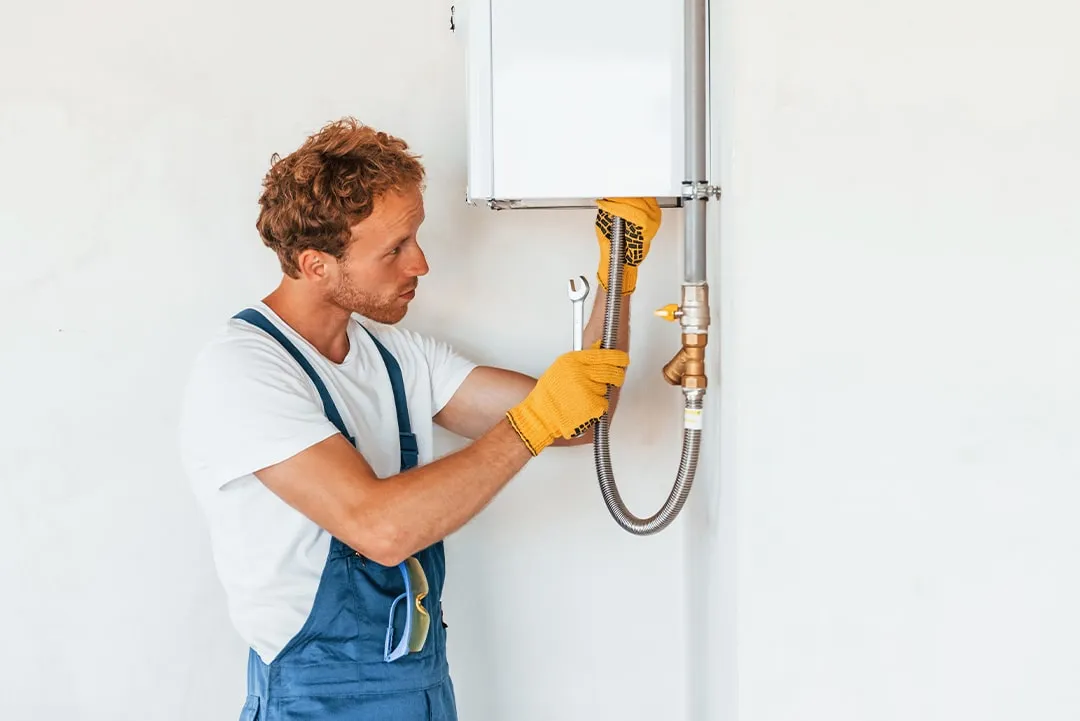
A reliable water heater is essential for everyday household activities, from taking showers and washing dishes to cleaning clothes and maintaining a comfortable home. When an existing unit becomes outdated, inefficient, or unable to meet a household’s hot water needs, Heater Installation in Hudson, OH may be an important home improvement to consider. Choosing the right equipment and ensuring it is installed correctly can help homeowners maintain consistent hot water, improve energy efficiency, and reduce the likelihood of future problems. Understanding the available options and the installation process makes it easier to make an informed decision.
Understanding How a Home Water Heater Works
A water heater supplies hot water to different fixtures and appliances throughout a property. Although homeowners may not think about the system regularly, it plays an important role in daily comfort and convenience.
Traditional storage water heaters use an insulated tank to hold and heat a specific quantity of water. Once the stored water reaches the selected temperature, it remains available until the household uses it. When the hot water supply is depleted, the unit must heat another supply.
Water heaters generally operate using electricity, natural gas, or propane, depending on the equipment and the property's existing connections. Each system has different installation requirements, operating costs, and maintenance considerations.
Before choosing a replacement, homeowners should understand their household's hot water consumption, available space, utility connections, and budget. These factors help determine which type and size of water heater may be appropriate.
When Should You Consider Installing a New Water Heater?
Water heaters do not last indefinitely. Over time, internal components can wear down, sediment may collect inside the tank, and the equipment may become less efficient.
Several signs may indicate that replacement is worth considering:
1. Inconsistent Hot Water
If hot water frequently runs out or the temperature changes unexpectedly, the existing unit may no longer be meeting household demands. In some cases, a repair may resolve the issue, but older or undersized equipment may require replacement.
2. Unusual Noises
Popping, rumbling, or banging sounds can develop when sediment accumulates inside a storage tank. Although some noises may have relatively simple explanations, persistent sounds should be evaluated to determine whether the unit needs maintenance or replacement.
3. Visible Rust or Corrosion
Rust around water connections, valves, or the tank itself can indicate deterioration. If corrosion affects the tank structure, replacement may be necessary to reduce the risk of leakage.
4. Water Leaks
Moisture around the base of a water heater should never be ignored. A leaking connection may be repairable, while a leaking tank often indicates that the equipment has reached the end of its useful life.
5. Increasing Energy Consumption
An aging water heater may use more energy to produce the same amount of hot water. If utility costs have increased without a clear explanation, checking the equipment's condition and efficiency may help identify the cause.
Choosing the Right Water Heater for Your Home
Selecting a water heater involves more than choosing a brand or comparing purchase prices. The system should match the property's requirements and the household's daily usage.
Storage Tank Water Heaters
Storage tank systems are commonly used in residential properties. They heat and store water in an insulated tank, making hot water available when needed.
When selecting a tank-style unit, homeowners should consider:
-
Tank capacity: The unit should provide enough hot water for typical household demand.
-
Energy source: Electricity, natural gas, and propane may be available depending on the property.
-
Physical dimensions: The installation area must accommodate the equipment and required service clearances.
-
Energy efficiency: Comparing efficiency information can help estimate long-term operating expenses.
-
Maintenance requirements: Regular inspections and appropriate maintenance can support reliable operation.
An undersized tank may struggle to provide enough hot water during busy periods, while an unnecessarily large unit may increase initial and operating costs.
Tankless Water Heaters
Tankless systems heat water as it passes through the equipment instead of storing a large quantity in a tank. When a hot water fixture is used, the system activates and heats water on demand.
These systems can be useful for households interested in reducing standby heat loss or changing how their hot water is supplied. However, the equipment must be properly sized according to the number of fixtures, expected flow rate, incoming water temperature, and simultaneous hot water demand.
Important Considerations Before Tankless Water Heater Installation
For homeowners exploring different water heating options, Tankless Water Heater Installation in Hudson, OH requires careful planning. Although tankless systems offer several advantages, they are not automatically the right choice for every property.
One important consideration is the unit's flow rate. A system must be capable of supplying enough hot water when multiple fixtures operate simultaneously. For example, running a shower while using a kitchen faucet may create additional demand.
The property's existing gas line or electrical supply must also be evaluated. Some tankless units require upgraded gas piping, electrical circuits, ventilation, or other modifications before installation. These requirements depend on the specific model and the home's existing infrastructure.
Homeowners should also consider the following:
-
Installation location: The equipment needs an appropriate location with required clearances and access for maintenance.
-
Venting requirements: Gas-powered models may require specific venting materials and configurations.
-
Water quality: Mineral content and hard water can affect internal components and maintenance needs.
-
Temperature settings: Proper settings help balance comfort, efficiency, and scald prevention.
-
Manufacturer requirements: Installation should follow the equipment manufacturer's instructions and applicable local codes.
A professional assessment can help determine whether the property is suitable for a tankless system and whether additional upgrades are necessary.
What Happens During a Professional Water Heater Installation?
A water heater installation involves several steps. The exact process depends on the equipment type, fuel source, property layout, and whether the project involves replacing an existing unit or installing a system in a new location.
Step 1: Evaluating the Existing System
The first step is to review the current water heater and its connections. This includes examining the available space, water lines, electrical supply, gas connections, ventilation, and drainage arrangements where applicable.
The assessment helps identify potential installation challenges before work begins.
Step 2: Selecting Suitable Equipment
The appropriate unit is selected based on household demand, available utilities, installation space, and efficiency requirements. The equipment should meet the property's needs without being unnecessarily oversized.
Step 3: Preparing the Installation Area
Before the new unit is installed, the existing equipment may need to be disconnected and removed. The work area should be prepared according to applicable safety requirements and manufacturer instructions.
Step 4: Connecting the New Unit
The water heater is positioned and connected to the necessary water, gas, or electrical lines. Safety components, shutoff valves, pressure-related protections, and ventilation arrangements must be installed where required by the system design and local regulations.
Step 5: Testing the Equipment
After installation, the system should be checked for leaks, proper operation, and appropriate temperature settings. Gas connections and electrical components must also be evaluated according to applicable safety procedures.
Step 6: Reviewing Operation and Maintenance
Homeowners should understand how to operate the equipment, recognize warning signs, and follow the manufacturer's maintenance recommendations. Knowing where shutoff controls are located can also be helpful in an emergency.
Why Correct Installation Matters?
Even a high-quality water heater may experience problems if it is installed incorrectly. Poor connections, unsuitable sizing, improper ventilation, or incorrect electrical and gas configurations can affect performance and create safety risks.
Correct installation helps ensure that the equipment operates according to its design. It can also reduce the likelihood of avoidable leaks, inconsistent heating, premature component wear, and operational problems.
Water heater work involving gas, electricity, pressurized water, or venting should be handled by appropriately qualified professionals. Homeowners should avoid attempting complicated connections without the necessary training and authorization.
Maintaining Your Water Heater After Installation
Once a new water heater is installed, regular maintenance can help protect its performance and extend its useful life. Maintenance requirements vary by equipment type, manufacturer, and local water conditions.
Some useful maintenance practices include:
-
Schedule periodic inspections: Have the system checked for leaks, corrosion, damaged connections, and unusual operation.
-
Follow flushing recommendations: Storage tank systems may require periodic flushing to manage sediment buildup.
-
Monitor water temperature: Keep the temperature at a suitable setting and follow safety recommendations to reduce scalding risks.
-
Check visible connections: Look for moisture around pipes, valves, and fittings.
-
Maintain tankless equipment: Follow manufacturer guidance for descaling and cleaning, particularly in areas with hard water.
-
Keep the surrounding area clear: Maintain required access and clearances around the equipment.
Homeowners should follow the manufacturer's instructions rather than applying the same maintenance routine to every type of water heater.
Common Water Heater Installation Mistakes to Avoid
Planning ahead can help prevent problems during and after installation. Some common mistakes include:
Choosing the wrong capacity: A unit that is too small may not meet daily demand, while an oversized system may increase unnecessary costs.
Ignoring utility requirements: Existing gas lines, electrical circuits, and ventilation may not be suitable for every replacement model.
Overlooking local requirements: Permits, inspections, and applicable installation codes should be reviewed before work begins.
Selecting equipment based only on price: Initial purchase cost is only one part of the decision. Energy use, maintenance, equipment lifespan, and installation requirements also matter.
Skipping final testing: The system should be checked after installation to confirm that connections are secure and the equipment operates correctly.
Avoiding these mistakes can help homeowners make more informed decisions and reduce the possibility of future complications.
Frequently Asked Questions
1. How long does water heater installation usually take?
The time required depends on the type of equipment, installation location, and condition of existing connections. A straightforward replacement may take less time than a project requiring new gas lines, electrical upgrades, ventilation changes, or plumbing modifications.
2. How do I know what size water heater my home needs?
The correct size depends on household occupancy, daily hot water usage, the number of bathrooms, and how frequently multiple fixtures operate at the same time. A professional assessment can help determine an appropriate capacity.
3. Are tankless water heaters suitable for every home?
No. Tankless systems have specific flow-rate, fuel, electrical, and installation requirements. The property's infrastructure and hot water demand should be evaluated before selecting one.
4. Should I repair or replace an older water heater?
The decision depends on the equipment's age, condition, repair history, and the nature of the problem. Minor component issues may be repairable, but a leaking tank or repeated major failures may make replacement a more practical option.
5. How often should a water heater be maintained?
Maintenance schedules vary by model and water quality. Homeowners should follow the manufacturer's recommendations and arrange periodic professional inspections to identify potential problems.
6. Can a new water heater help reduce energy costs?
A newer, more efficient model may use less energy than an older unit, depending on household usage and the equipment selected. Actual savings vary based on energy prices, installation conditions, and operating habits.
Final Thoughts
Installing a water heater is an important home improvement that affects everyday comfort, energy consumption, and plumbing reliability. Understanding the differences between storage tank and tankless systems, evaluating household demand, and reviewing installation requirements can help homeowners choose equipment that suits their property. Proper installation and routine maintenance are equally important for dependable performance over time.
For homeowners reviewing water heating options in Hudson, OH, Guiding Star Plumbing can be a local point of contact for understanding available plumbing solutions, including water heater installation. Taking time to evaluate the existing system, compare suitable equipment, and plan the installation carefully can help make the process more straightforward.
Related Reading
Expert Insights: Navigating the Complex World of Home Improvement
Welcome to our in-depth exploration of Home Improvement. In an era defined by ra...
Why Home Improvement is Transforming the Global Industry Landscape
Welcome to our in-depth exploration of Home Improvement. In an era defined by ra...