9 Ways a Patient Attendant Makes Daily Life Easier
By kashif
91 Views
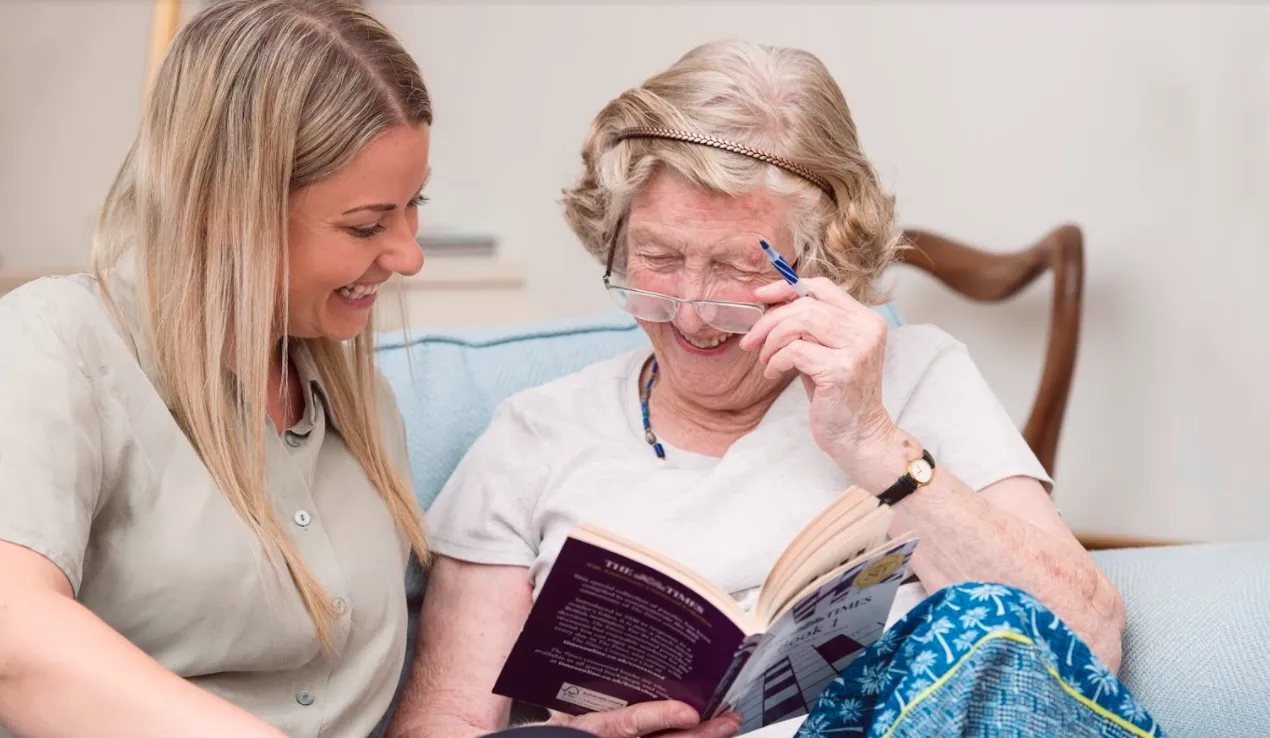
Recovering from an illness, managing a chronic condition, or caring for an aging loved one can make everyday tasks more difficult. Activities that once seemed simple—such as getting dressed, moving around the house, taking medications, or attending appointments—may require additional support.
This is where a patient attendant can make a meaningful difference.
A patient attendant provides non-medical and basic care support to individuals who need assistance with daily activities. Their presence helps patients maintain comfort, safety, and independence while giving family members peace of mind.
In this article, we'll explore nine important ways a patient attendant makes daily life easier for patients and their families.
What Is a Patient Attendant?
A patient attendant is a trained caregiver who helps individuals with daily living activities at home, in hospitals, or in care facilities.
Their responsibilities often include:
- Personal hygiene assistance
- Mobility support
- Meal assistance
- Medication reminders
- Companionship
- Monitoring patient well-being
- Basic daily care support
Patient attendants play an important role in improving quality of life for individuals who need extra help due to age, illness, injury, or disability.
1. Assists with Personal Care and Hygiene
Personal hygiene is essential for health, comfort, and dignity.
However, many patients struggle with tasks such as:
- Bathing
- Grooming
- Dressing
- Oral hygiene
- Toileting
A patient attendant provides respectful assistance with these daily activities while encouraging independence whenever possible.
This support helps patients feel clean, comfortable, and confident.
2. Provides Safe Mobility Support
Limited mobility can increase the risk of falls and injuries.
According to health experts, falls are one of the leading causes of injury among older adults.
Patient attendants help patients move safely by assisting with:
- Walking
- Transferring from bed to chair
- Using mobility aids
- Navigating stairs
- Moving around the home
This reduces fall risks and helps patients stay active.
3. Helps with Medication Reminders
Managing medications can become complicated, especially for patients taking multiple prescriptions.
A patient attendant can help by:
- Providing medication reminders
- Following medication schedules
- Observing for missed doses
- Informing family members about concerns
While attendants do not typically prescribe medications, they help patients stay consistent with treatment plans.
4. Supports Healthy Eating Habits
Proper nutrition plays a major role in recovery and long-term health.
Some patients may have difficulty preparing meals or eating independently.
A patient attendant can assist with:
- Meal preparation
- Serving meals
- Feeding assistance when needed
- Encouraging proper hydration
This support helps patients maintain healthy eating habits and receive adequate nutrition.
5. Offers Emotional Support and Companionship
Many patients experience loneliness, particularly older adults who spend long periods at home.
Social isolation has been linked to poorer mental and physical health outcomes.
A patient attendant provides companionship through:
- Conversation
- Social interaction
- Emotional support
- Recreational activities
Even simple daily interactions can improve mood and emotional well-being.
6. Monitors Safety and Well-Being
Patient attendants spend significant time with patients and often notice changes in health or behaviour early.
They can observe:
- Changes in mobility
- Signs of discomfort
- Appetite changes
- Sleep disturbances
- Unusual symptoms
When concerns arise, attendants can inform family members or healthcare providers promptly.
This additional layer of observation helps support patient safety.
7. Assists with Medical Appointments
Attending healthcare appointments can be challenging for individuals with limited mobility or chronic health conditions.
Patient attendants may help by:
- Preparing for appointments
- Assisting with transportation arrangements
- Providing mobility support
- Helping patients follow post-appointment instructions
This makes healthcare visits less stressful and more manageable.
8. Supports Daily Household Activities
Patients often need assistance with routine daily tasks that contribute to a comfortable living environment.
Depending on the care plan, a patient attendant may help with:
- Organizing personal belongings
- Light housekeeping tasks
- Laundry assistance
- Bed making
- Maintaining a clean living space
These activities help create a safer and more comfortable home environment.
9. Reduces Stress for Family Caregivers
Family caregivers often balance caregiving with work, parenting, and personal responsibilities.
Over time, these demands can become overwhelming.
A patient attendant helps relieve caregiver burden by providing dependable daily support.
Benefits for families include:
- Reduced stress
- More personal time
- Better work-life balance
- Greater peace of mind
Knowing a loved one is receiving attentive care can make a significant difference for the entire family.
Who Can Benefit from a Patient Attendant?
Patient attendant services may benefit:
- Seniors living at home
- Patients recovering from surgery
- Individuals with mobility challenges
- People with chronic illnesses
- Stroke recovery patients
- Individuals with disabilities
- Patients requiring long-term assistance
Care needs vary from person to person, and support plans can often be customized.
How to Choose the Right Patient Attendant
When selecting a patient attendant, consider:
- Training and experience
- Communication skills
- Reliability and professionalism
- Experience with specific health conditions
- References and reviews
- Compatibility with the patient
Choosing the right caregiver helps ensure a positive and supportive care experience.
Conclusion
A patient attendant does much more than assist with daily tasks. They help improve safety, comfort, independence, and overall quality of life.
From personal care and mobility support to companionship and caregiver relief, the services provided by a patient attendant can have a meaningful impact on both patients and their families.
As healthcare increasingly moves toward home-based care, patient attendants continue to play a vital role in helping individuals live safely, comfortably, and confidently in their own homes.
Frequently Asked Questions
What does a patient attendant do?
A patient attendant assists individuals with daily living activities such as personal hygiene, mobility, meal support, medication reminders, companionship, and basic care needs.
Who needs a patient attendant?
Patient attendants are often helpful for seniors' care at home, individuals recovering from surgery, people with chronic illnesses, and anyone who requires assistance with daily activities.
Can a patient attendant help elderly patients at home?
Yes. Patient attendants provide support with personal care, mobility, meals, and companionship, helping seniors remain safe and comfortable at home.
Is a patient attendant the same as a nurse?
No. A patient attendant primarily provides daily care and support, while nurses deliver medical care and perform clinical procedures.
How can a patient attendant help family caregivers?
Patient attendants reduce caregiving responsibilities by assisting with daily tasks, allowing family members to focus on their personal and professional commitments.
What are the benefits of hiring a patient attendant?
Benefits include improved safety, better daily support, increased independence, emotional companionship, and reduced stress for family caregivers.