7 Steps to Follow for Sports Injury Rehabilitation in Brooklyn
By PhysioRX
21 Views
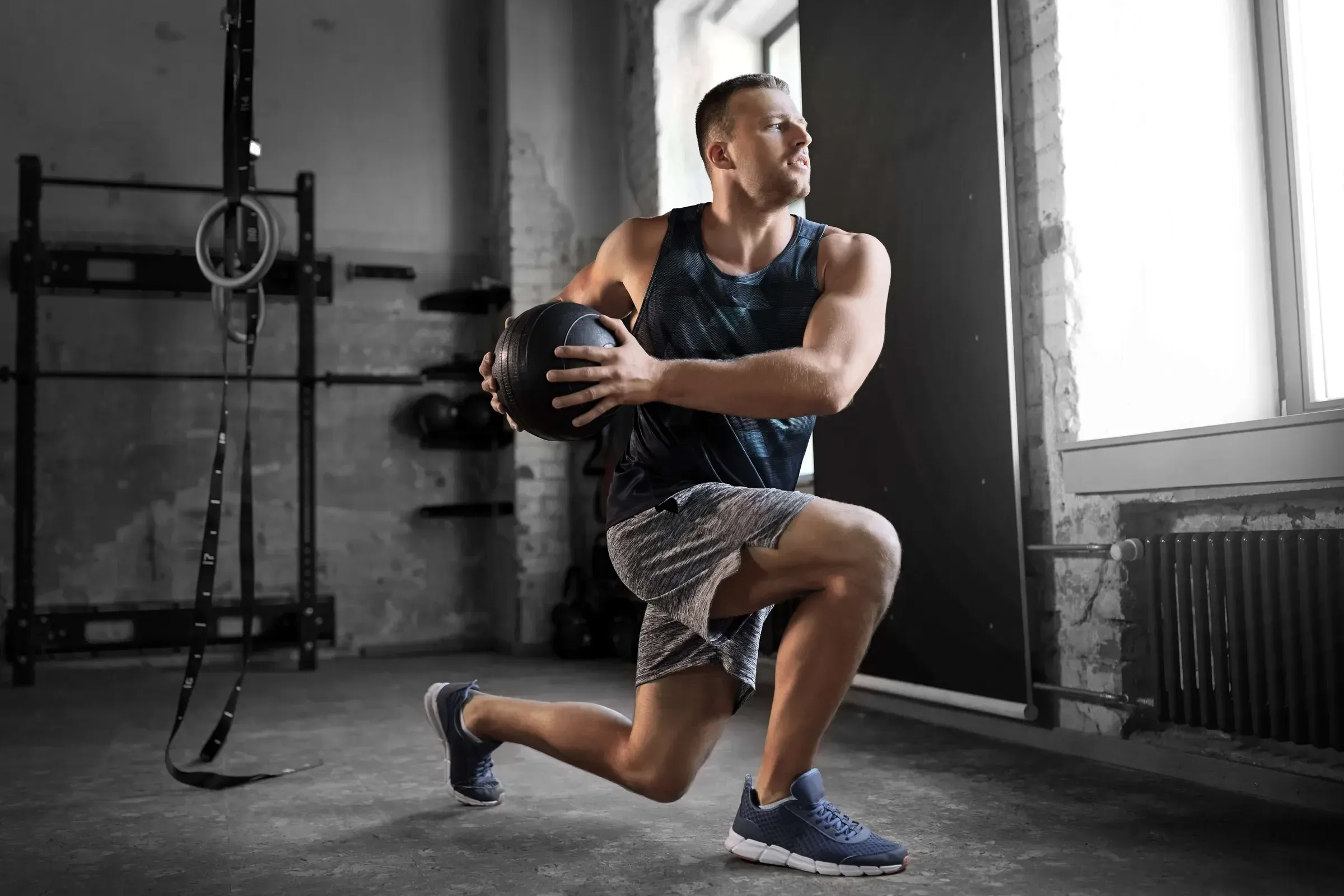
A sports injury can keep you away from the activities you enjoy. A knee injury may affect your morning run, while a shoulder strain can make lifting weights or playing tennis difficult. Even a minor injury can disrupt your routine if you return to training too soon.
Recovery takes time, and the right plan can help you rebuild strength, improve movement, and return to your sport safely. If you are an athlete or an active person in Brooklyn, NY, these seven steps can help you understand what to expect during recovery.
7 Steps to Follow for Sports Injury Rehabilitation in Brooklyn
1. Stop the Activity and Check Your Symptoms
If you feel sudden pain during a workout or game, stop. Continuing to run, jump, or lift weights may put more stress on the injured area. Give yourself time to assess the problem instead of trying to finish your session.
Common sports injuries include ankle sprains, muscle strains, knee injuries, and shoulder problems. However, you cannot always tell how serious an injury is by looking at it.
If you have severe pain, major swelling, a visible change in a joint's shape, or cannot put weight on a limb, seek medical care promptly. For less severe symptoms, avoid movements that worsen the pain, and ask a healthcare professional for advice if the problem continues.
2. Get a Professional Assessment
An assessment can help you understand the cause of your pain and what to do next. A healthcare professional may ask how the injury happened, when the pain started, and which movements are difficult.
A physical therapist may also check your strength, balance, joint movement, and ability to perform certain tasks. These checks help identify areas that need attention during recovery.
For example, a runner with an ankle injury may need to work on balance and leg strength. Someone with a shoulder injury may need help restoring movement and control. Your treatment plan should match your condition and activity goals.
3. Choose a Rehabilitation Plan That Fits Your Needs
Every injury needs a different recovery plan based on your symptoms, activity level, and goals. When exploring sports injury rehabilitation in Brooklyn, choose physical therapy services that fit your needs.
PhysioRX offers sports rehabilitation in Brooklyn, with treatment that may include movement, strength, and balance exercises. Follow your therapist's advice instead of copying exercises from others.
4. Rebuild Strength and Movement Gradually
An injury can limit movement and reduce strength, especially if you have been less active. Rehabilitation exercises help you work on these areas at a pace that suits your recovery.
Your therapist may start with simple movements before adding resistance or sport-related exercises. For example, someone recovering from a knee injury may begin with controlled leg exercises before progressing to step-ups, if appropriate.
Do not increase the weight, speed, or number of repetitions too quickly. Pay attention to how your body responds during and after exercise. If pain increases or swelling returns, tell your therapist so they can review the plan.
5. Support Recovery With Daily Habits
Your daily routine also affects recovery. Getting enough sleep, eating balanced meals, drinking water, and following activity limits can help you manage rehabilitation demands.
Include protein sources such as eggs, beans, yogurt, fish, or lean meat in your meals to support normal tissue repair. Follow your healthcare professional's advice about walking, lifting, work, and exercise.
Rest does not always mean avoiding all movement. Depending on your injury, your provider may recommend activities that support recovery. The goal is to avoid placing too much stress on the injured area while maintaining safe movement.
6. Return to Training in Stages
Walking without pain does not always mean you are ready to play again. Sports require strength, balance, and quick movements. Follow these steps to return to training safely:
-
Resume daily activities comfortably.
-
Rebuild strength and balance.
-
Start with light, sport-related movements.
-
Increase training gradually.
-
Return to full practice when cleared.
Your physical therapist can check your readiness based on your strength, balance, and movement. Remember, recovery time varies from person to person.
7. Build Habits to Reduce the Risk of Another Injury
After returning to your sport, follow safe training habits to reduce the risk of another injury. Warm up before exercise, increase training gradually, wear appropriate footwear, and use proper technique. Include strength and balance exercises, and allow time for rest.
Watch for repeated pain, swelling, or changes in movement. If these occur, reduce activities that worsen your symptoms and seek professional advice.
Conclusion
Recovering from a sports injury takes patience and a plan that fits your needs. Getting an assessment, following your rehabilitation exercises, and returning to training in stages can help you work toward your usual activities.
Do not rush your recovery or ignore pain to get back in the game. Follow professional advice and adjust your activity as needed. If you need physical therapy support in Brooklyn, you can explore the sports rehabilitation services offered by PhysioRX. For apparel needs, Shop Blank Apparel is a separate option unrelated to injury treatment.