7 Signs Your Magnetic Separator Machine Is Reducing Plant Efficiency
By Puja Rawat
67 Views
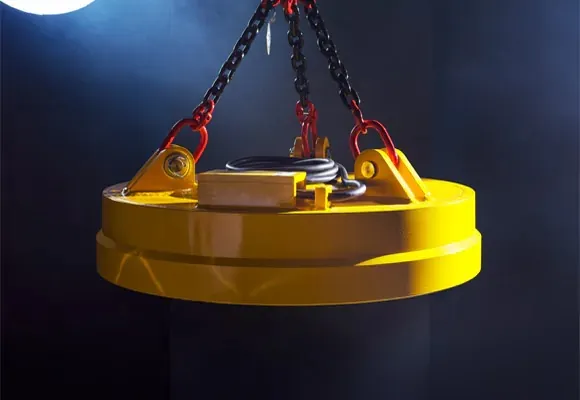
A magnetic separation system rarely stops working without warning. In most plants, performance declines gradually. Metal contamination begins to appear, maintenance demands increase, and production teams spend more time solving avoidable problems.
Recognising these warning signs early helps reduce downtime, protect equipment, and maintain consistent product quality. Here are seven indicators that your magnetic separator machine is reducing plant efficiency.
1. Ferrous Contamination Is Reaching the Final Product
One sure sign of a malfunctioning separator is metal contamination of the final product. The smallest ferrous contaminants may interfere with the quality of the product, harm consumer trust, and result in rejection of batches.
This problem usually occurs if magnetic strength deteriorates, if the speed of material flow is too high, or if the separator does not suit the process anymore. Regular checks of separator performance will detect such problems.
2. Production Equipment Is Wearing Out Faster
When crushers, conveyors, shredders, and grinders need to be repaired more than anticipated, inadequate metal separation could be the reason. Inappropriate metal separation leads to excessive wear and tear in the subsequent stages of the process, thus adding to maintenance costs.
Reviewing maintenance records often reveals this trend before visible contamination becomes a regular issue.
3. Material Is Building Up Around the Magnet
Captured metal should be removed regularly. When cleaning schedules are delayed, material accumulates around the magnetic surface and reduces its ability to attract new contaminants.
This problem often develops in busy production environments where maintenance falls behind. A simple inspection routine helps maintain consistent separation performance.
4. The Hump Magnet Is Restricting Material Flow
A poorly maintained hump magnet can cause material flow to slow down in gravity-fed systems. Dust, large material, or trapped ferrous particles limit the passage and slow the production.
Operators may increase the feed rates to make up for the lost output, but this usually leads to increased stress on downstream equipment. A clean separator helps to ensure smooth material flow.
5. Energy Consumption Is Rising
Higher energy consumption without increased production is another indicator. As the unwanted metal enters the downstream equipment, motors and mechanical parts have to struggle to process the material.
The energy consumption of the separator is low, but its efficiency affects the whole production line. Comparing energy consumption and maintenance statistics can reveal hidden process losses.
6. Maintenance Is Becoming More Frequent
Repeated cleaning, unscheduled shutdowns or frequent replacement of components usually indicate deteriorating performance of the separator. Operators spend more time clearing obstructions or removing metal from downstream equipment than keeping production going.
Maintenance history frequently shows progressive changes rather than dramatic breakdowns. Fixing these early cuts lowers unnecessary downtime.
7. Your Hump Magnet No Longer Fits Current Production
Requirements for production do not usually remain constant. Increased production rate, altered raw material type or process improvements would create new challenges for existing equipment.
The hump magnet that was picked up years ago might not be enough for today's safety regulations. The evaluation of separator capacity at the time of change is significant to ensure that the metal separation from the plant output is maintained constant.
Maintaining Reliable Separation Performance
Magnetic separation cannot be achieved simply by having strong magnets. The placement of the equipment, properties of the materials, feed rates, cleaning schedule, and inspection process are also vital considerations for efficient magnetic separation.
Facilities that integrate inspections into their preventative maintenance program notice problems before they develop into major breakdowns. Inspections on the collected metal, wear, and material flow allow for smooth production and increase the lifespan of related equipment.
Electro Flux Equipments: Delivering Reliable Magnetic Separation Solutions
Electro Flux Equipments manufactures equipment for magnetic separation in the recycling, mining, foundry, food processing, and material handling industries. The emphasis on customised engineering and reliable manufacturing enables industrial organisations to select suitable equipment based on their production needs. By providing pragmatic technical assistance and industry expertise, the company assists in enhancing the performance of equipment and effective plant operations.
Conclusion
A faulty magnetic separator machine will show definite signs of problems before any serious damage happens. Increased cost of maintenance, ageing equipment, contaminants, and reduced throughput are all things to be aware of. Being able to identify such problems can ensure the preservation of important investments and production stability. Experienced manufacturers like Electro Flux Equipments provide businesses with efficient magnetic separator solutions for their needs to meet changing operational needs.
Related Reading
Top 10 Hidden Secrets About Business & Finance You Need to Know
Welcome to our in-depth exploration of Business & Finance. In an era defined...
Why Business & Finance is Transforming the Global Industry Landscape
Welcome to our in-depth exploration of Business & Finance. In an era defined...