7 Signs Your Home Needs a Roof Inspection in Flower Mound, TX
By Anderson Industrial Roofing
17 Views
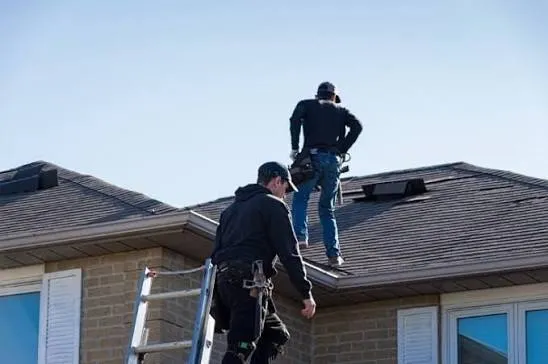
Your roof protects your home from rain, wind, heat, and other weather conditions. But over time, roofing materials can wear out or become damaged. Small problems may not seem serious at first, but they can lead to leaks, water damage, and costly repairs if ignored. Scheduling a roof inspection in Flower Mound, TX can help you find these issues early and understand what your roof needs.
Many homeowners do not notice roof damage until water starts coming inside. However, there are several warning signs you can look for before that happens. From missing shingles to water stains on ceilings, these signs may mean your roof needs professional attention.
Here are seven signs that it may be time to schedule a roof inspection.
1. Missing, Cracked, or Curling Shingles
Shingles are one of the first areas to check when looking for roof damage. Over time, strong winds, heavy rain, and regular exposure to sunlight can affect their condition.
You may notice shingles that are cracked, curled at the edges, loose, or completely missing. These problems can leave the lower roofing layers exposed to rain and moisture.
Even a few missing shingles can create an opening for water to enter your home. A professional roof inspection can help identify the damaged areas and determine whether you need minor repairs or more extensive work.
2. Water Stains on Ceilings or Walls
Water stains inside your home are another common sign of roof trouble. You may notice brown spots, peeling paint, or damp patches on ceilings and walls.
These marks can appear when water enters through damaged shingles, worn flashing, or weak areas around roof openings. Sometimes, the leak may start in one area of the roof but appear inside your home somewhere else.
Do not ignore these signs, even if the stain looks small. Water can spread through insulation and wooden structures before becoming visible. An inspection can help locate the source of the moisture and identify the work needed to fix it.
3. Granules Collecting in Gutters
Asphalt shingles have a protective layer of small granules. These granules help protect the shingles from sunlight and normal weather exposure.
As the roof gets older, some granule loss is expected. However, finding large amounts of granules in your gutters or near downspouts may be a sign that your shingles are wearing out.
You may also notice dark or bare patches on the roof surface. These areas can indicate that the protective layer has started to break down.
A roof inspection can help determine whether the granule loss is normal or a sign of more serious roofing problems.
4. Damaged Flashing Around Roof Openings
Flashing is used around chimneys, vents, skylights, and other roof openings. Its main purpose is to direct water away from these areas and help prevent leaks.
Over time, flashing can become loose, cracked, rusted, or damaged. Strong winds and regular weather exposure can also affect the seal around these openings.
When flashing stops working properly, water may enter through small gaps and damage the roof structure.
During an inspection, a roofing professional can check the flashing and surrounding materials to find loose connections or areas where the seal needs attention.
5. Sagging Areas on the Roof
Your roof should have a fairly straight and even appearance. If you notice dips, uneven sections, or a sagging roofline, it is worth getting the area checked.
Sagging can be linked to moisture damage, weakened roof decking, or structural problems. In some cases, long-term water exposure can cause wooden materials beneath the roofing surface to weaken.
This is not a problem you should try to fix on your own. Avoid walking on a sagging roof because the affected area may not be safe. Contact a roofing professional for an inspection as soon as possible.
6. Higher Energy Bills Without a Clear Reason
Have your heating or cooling bills increased even though your daily usage has not changed much? Your roof may be one area worth checking.
Damaged roofing materials, poor attic ventilation, and insulation problems can affect how your home handles indoor temperatures. During hot weather, unwanted heat can build up in the attic and make your cooling system work harder.
A roof inspection can help identify visible ventilation issues, damaged roofing materials, and other concerns that may affect your home's energy performance.
Keep in mind that higher energy bills can have several causes, so an inspection can help determine whether the roof is part of the problem.
7. Recent Hail or Strong Wind Damage
Flower Mound homeowners should pay attention to their roofs after severe weather. Hail, strong winds, and heavy rain can damage roofing materials, even when the damage is not easy to see from the ground.
After a storm, look for:
-
Missing or lifted shingles.
-
Dents on gutters and metal roof parts.
-
Roofing pieces or debris in your yard.
-
Damaged flashing around roof openings.
-
New water stains inside the house.
Some hail damage may not be visible without a closer inspection. If your property has recently experienced severe weather, arranging a professional roof inspection can help you understand the roof's condition.
Take pictures of any visible damage from a safe location and keep records of the storm. If you plan to contact your insurance company, these details may be helpful.
Why Should You Schedule Regular Roof Inspections?
Waiting until a leak appears can make roofing problems harder to manage. Regular inspections help homeowners understand the condition of their roofs and identify small issues before they become bigger concerns.
A professional inspection may include checking:
-
Shingles and other roofing materials.
-
Flashing around chimneys, vents, and skylights.
-
Roof edges and exposed areas.
-
Gutters and drainage points.
-
Attic spaces for signs of moisture.
-
Visible signs of storm or weather damage.
It is also helpful to arrange an inspection after a major storm or when you notice changes in your roof's appearance.
For property owners who also manage commercial buildings, working with experienced commercial roofing companies in Frisco, TX can help address inspection and maintenance needs for commercial roofing systems.
Conclusion
Your roof needs regular attention to stay in good condition. Missing shingles, water stains, damaged flashing, sagging areas, and storm damage are signs you should not ignore. Getting these problems checked early can help prevent further damage and give you a better idea of what repairs may be needed.
Anderson Industrial Roofing understands the importance of checking roofing problems before they become bigger concerns. If you have noticed any of these warning signs, consider scheduling a professional roof inspection in Flower Mound, TX. Contact Anderson Industrial Roofing to discuss your roofing needs and the next steps for your property.
Frequently Asked Questions
1. How often should I get my roof inspected?
It is a good idea to have your roof professionally inspected at least once a year. You should also arrange an inspection after major storms, hail, or strong winds to check for possible damage.
2. What are the common signs of roof damage?
Common signs include missing or cracked shingles, water stains on ceilings, loose flashing, granule loss, sagging areas, and leaks in the attic. These signs may mean your roof needs professional attention.
3. Can a roof inspection find hidden leaks?
Yes. A professional inspection can help identify signs of hidden leaks by checking the attic, roof surface, flashing, and other areas where water may enter. Finding the source early can help prevent further damage.
4. Should I get a roof inspection after a hailstorm?
Yes. Hail can damage shingles, flashing, and other roofing materials. Some damage may not be easy to notice from the ground, so a professional inspection is a good step after a hailstorm.
5. How long does a roof inspection take?
The time depends on the roof's size, design, condition, and accessibility. A simple inspection may take less time, while larger or more complex roofs may need additional checks.
6. Does a roof inspection mean I need a new roof?
No. An inspection does not automatically mean you need a replacement. It helps identify the current condition of your roof. Depending on the findings, minor repairs, maintenance, or replacement may be recommended.