7 Residential Electrical Upgrades That Can Make Your Los Angeles Home Safer
12 Views
A safe home depends on more than sturdy doors, secure windows, and working smoke alarms. The electrical system behind the walls also plays a major role in protecting family members and property. As households add appliances, entertainment equipment, air conditioning, and smart devices, older wiring and outdated electrical components may struggle to meet modern demands.
Homeowners can reduce potential hazards by identifying weaknesses and making suitable improvements. Investing in residential electrical upgrades can help prevent electrical shocks, reduce fire risks, and support dependable power throughout the property. The right improvements depend on the home's age, existing wiring, energy requirements, and applicable electrical codes.
Here are seven practical upgrades that Los Angeles homeowners can consider to improve electrical safety and maintain a reliable home environment.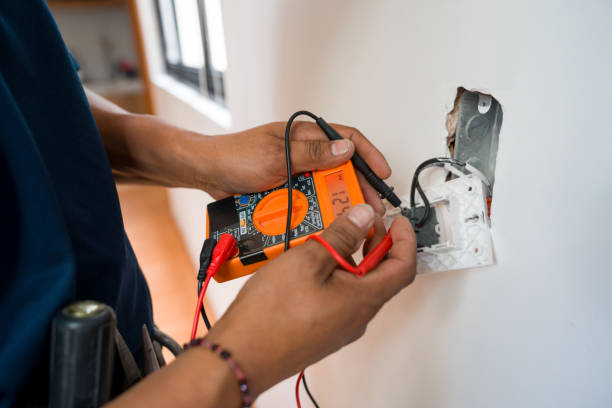
1. Upgrade an Outdated Electrical Panel
The electrical panel distributes power to different circuits and provides protection against certain electrical faults. However, older panels may lack the capacity or protective features required by today's households. Homes with growing energy demands may experience frequently tripping breakers, flickering lights, or circuits that struggle when several appliances operate simultaneously.
An inspection can determine whether the panel needs repairs, replacement, or additional capacity. A suitable upgrade can improve circuit organization and provide a better foundation for modern appliances, home offices, and future renovations.
Homeowners should never ignore burning odors, unusual buzzing, scorch marks, or excessive panel heat. These warning signs require prompt professional attention. A qualified electrician can evaluate the equipment, identify the underlying problem, and recommend an appropriate solution rather than simply increasing breaker ratings.
2. Install Ground-Fault Circuit Interrupter Outlets
Water and electricity create a dangerous combination. Kitchens, bathrooms, garages, laundry areas, and outdoor spaces deserve particular attention because moisture can increase the risk of electric shock.
Ground-fault circuit interrupters, commonly called GFCIs, monitor electrical current and quickly disconnect power when they detect a potentially dangerous imbalance. Depending on the installation, protection may come from a GFCI receptacle or a compatible circuit breaker.
Older homes may have outlets that lack appropriate protection in areas where it is required. An electrician can assess existing receptacles and determine which locations need upgrading under applicable codes.
GFCI protection does not eliminate every electrical hazard, so homeowners should also keep outlets dry, avoid using damaged equipment, and arrange repairs for loose or discolored receptacles. Regular testing according to the manufacturer's instructions helps confirm that protective devices function correctly.
3. Add Arc-Fault Circuit Interrupter Protection
Electrical faults do not always produce an obvious short circuit. Damaged insulation, loose connections, and deteriorating wiring can create dangerous electrical arcs that may ignite nearby materials.
Arc-fault circuit interrupters, or AFCIs, are designed to recognize certain hazardous arcing conditions and disconnect the affected circuit. They provide a different type of protection from standard breakers and GFCIs, making them an important consideration during electrical improvements.
A professional can inspect the existing panel and determine whether AFCI breakers or other approved devices are appropriate. Requirements depend on the circuit, installation, and applicable electrical code.
This upgrade may be especially worth discussing when renovating an older property or addressing concerns about aging wiring. Combining suitable protective devices with sound wiring practices creates a stronger safety strategy.
4. Replace Damaged or Outdated Wiring
Electrical wiring can deteriorate over time, particularly when it has experienced physical damage, poor repairs, excessive loading, or exposure to unsuitable conditions. Some older properties may also contain wiring systems that require specialist evaluation.
Warning signs include frequently tripping breakers, lights that dim unexpectedly, warm outlets, burning smells, buzzing sounds, and visible damage around switches or receptacles. These symptoms should never be treated as normal household inconveniences.
A qualified electrician can inspect accessible wiring, connections, and circuits to determine whether targeted repairs or more extensive replacement is necessary. Rewiring may also be appropriate when a major renovation exposes existing electrical components.
Although replacing wiring can require an investment, correcting unsafe conditions helps reduce potential hazards and supports the dependable operation of household equipment. Homeowners should avoid attempting concealed wiring repairs without the necessary training and authorization.
5. Upgrade Old Outlets and Add Proper Grounding
Loose, cracked, or discolored outlets can create safety concerns and should be inspected promptly. Two-prong receptacles in older homes may also indicate that the electrical system needs evaluation.
Replacing an outlet with a three-prong model does not automatically provide grounding. The receptacle must be connected to an appropriate grounding system or protected through another code-compliant arrangement where permitted.
A professional can determine whether grounding improvements, outlet replacement, or other corrective work is required. They can also assess whether the number and placement of receptacles adequately support everyday needs.
Adding properly installed outlets in convenient locations may reduce dependence on extension cords and power strips. This can help households avoid overloaded connections and reduce tripping hazards caused by cords crossing walkways.
6. Install Safer Indoor and Outdoor Lighting
Lighting improvements can contribute to both electrical safety and everyday convenience. Poorly illuminated staircases, hallways, entrances, and outdoor pathways increase the chance of trips and falls, particularly at night.
Homeowners can consider LED fixtures, motion-activated exterior lights, and appropriately positioned lighting around steps, driveways, and entryways. These improvements can make important areas easier to navigate while supporting energy efficiency.
However, every fixture must be compatible with its location, wiring, and electrical rating. Outdoor installations require equipment suitable for the relevant weather and moisture exposure. Bathrooms and other damp locations also need fixtures rated for their intended environment.
Professional installation helps ensure that wiring, switches, mounting, and protective measures are appropriate. A lighting assessment can identify dark areas and outdated fixtures while helping homeowners plan practical improvements.
7. Upgrade Smoke Alarms and Electrical Safety Monitoring
Early warning systems provide valuable time to respond when a fire develops. Smoke alarms should be installed in the locations recommended by fire-safety guidance, including inside bedrooms, outside separate sleeping areas, and on every level of the home. Interconnected alarms can provide an additional advantage because activation of one unit can alert occupants elsewhere.
Homeowners should check alarm operation regularly and replace units according to the manufacturer's instructions. The U.S. Fire Administration recommends replacing smoke alarms when they reach ten years from their manufacture date.
Other useful improvements may include suitable carbon monoxide alarms, clearly labeled electrical circuits, and surge protection selected for the home's needs. Surge protection can help protect compatible equipment from certain voltage spikes, although it does not replace proper grounding, circuit protection, or repairs to defective wiring.
A coordinated approach to alarms and electrical maintenance helps households recognize hazards sooner and respond more effectively.
Planning Electrical Improvements for a Los Angeles Home
Not every property requires all seven upgrades. The best starting point is an assessment of the home's current electrical condition, daily energy use, and planned improvements. Older houses, recently purchased properties, and homes undergoing renovation may benefit from a more detailed inspection.
Working with a residential electrician los angeles homeowners can consult for professional assessment helps clarify which improvements are necessary and which are optional. Local permitting and inspection requirements should also be considered before electrical work begins.
Homeowners researching residential electrical improvements can discuss their priorities with an experienced service provider such as Phase Electric. The goal is to select practical upgrades that address real risks instead of paying for unnecessary replacements.
Phase Electric can be considered when comparing local electrical service providers, while homeowners should independently confirm licensing, insurance, service scope, and project requirements before hiring a contractor.
Ultimately, residential electrical safety is an ongoing responsibility. Periodic inspections, timely repairs, suitable protective devices, and careful use of household equipment can help keep a home's electrical system dependable as family needs change.
Frequently Asked Questions
1. Which electrical upgrade should homeowners consider first?
The priority depends on the home's condition. Homes with damaged wiring, recurring breaker trips, burning odors, or warm outlets need prompt professional evaluation. An inspection can identify urgent hazards before optional improvements are planned.
2. How can I tell if my electrical panel needs an upgrade?
Warning signs can include frequent breaker trips, insufficient circuit capacity, unusual heat, or a panel that cannot accommodate planned electrical loads. These symptoms do not automatically mean replacement is necessary, so an electrician should evaluate the cause.
3. Are GFCI and AFCI protection the same?
No. GFCIs help protect people against certain electrical shock hazards caused by ground faults. AFCIs are designed to detect certain hazardous arcing conditions that may lead to fires. Both provide distinct forms of protection.
4. How often should a home receive an electrical inspection?
There is no single interval suitable for every property. Inspection needs depend on the home's age, electrical condition, renovation history, and warning signs. Consider an assessment when buying an older home, planning major remodeling, or noticing recurring electrical problems.
5. Why hire a professional for electrical upgrades?
Electrical work involves risks that may not be visible to an untrained person. A qualified professional can assess the system, select compatible components, follow applicable codes, and determine whether permits or inspections are required. This helps ensure upgrades address the actual problem safely.
Related Reading
Top 10 Hidden Secrets About Business & Finance You Need to Know
Welcome to our in-depth exploration of Business & Finance. In an era defined...
Why Business & Finance is Transforming the Global Industry Landscape
Welcome to our in-depth exploration of Business & Finance. In an era defined...