7 Important Steps in Modern Poultry Processing
By Adome
9 Views
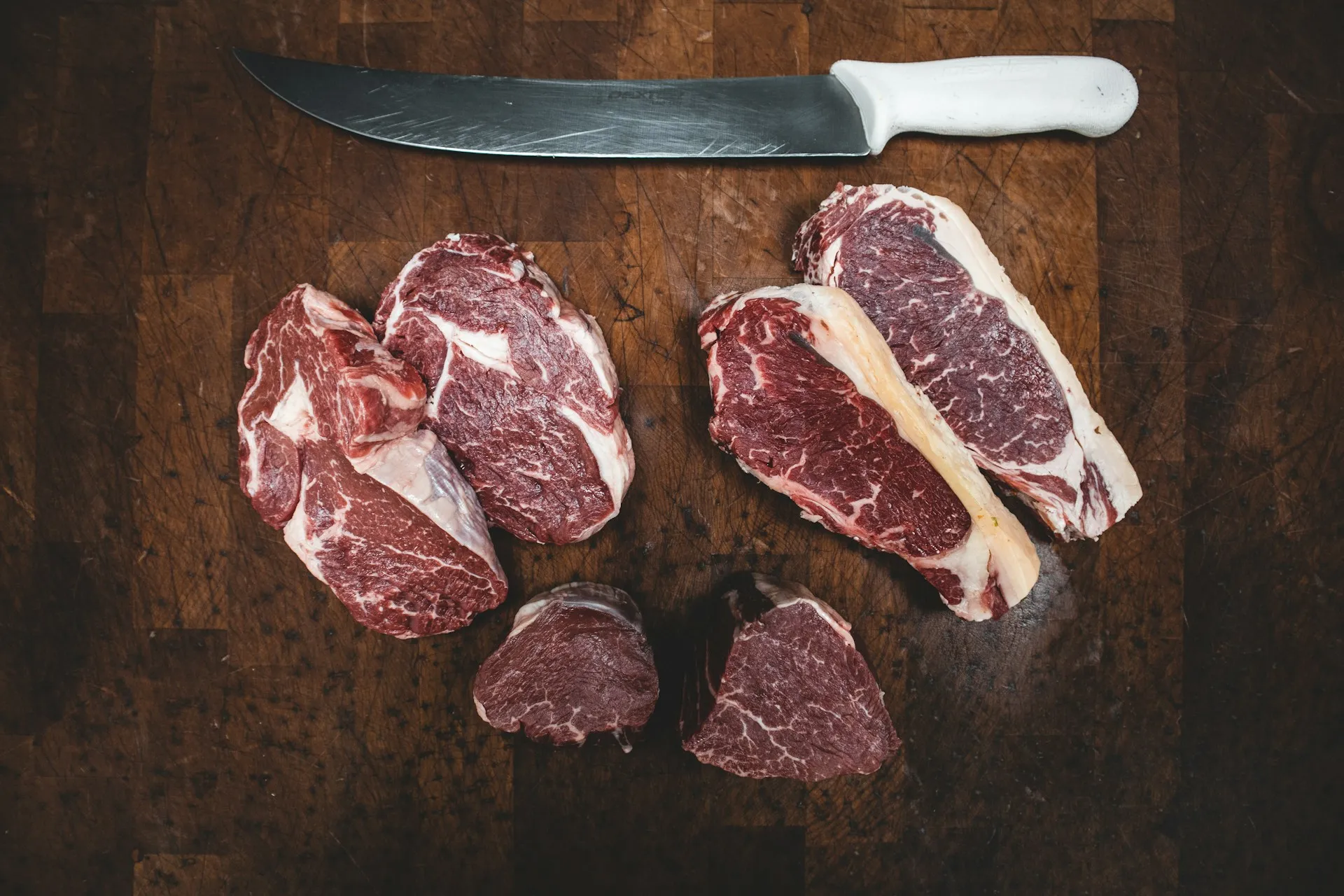
5 a.m., inside a processing plant. Machinery humming low, steam hissing somewhere off to the side, and a supervisor yelling because the line's running two minutes behind. Not glamorous. Cold, loud, weirdly precise. But that exact controlled chaos is what gets chicken breasts onto grocery shelves by noon, and it's a small but telling window into how meat manufacturing actually functions on a daily basis. Most shoppers never think about it. Fair enough — why would they?
Poultry processing used to be a lot more manual. Almost rustic, honestly. These days it's a tightly sequenced, science-heavy operation where every stage protects something specific: safety, texture, yield, shelf life. Skip a step or rush it, and the fallout shows up much later, sometimes in ways that trace back weeks. Here's the breakdown of the seven stages that genuinely move the needle.
1. Receiving and Pre-Slaughter Handling
Before a bird even enters the building, there's a rest period after transport — a few hours, typically. Sounds unnecessary until you learn why: stress hormones spike during transport, and stressed birds produce tougher, paler meat that spoils faster. Handlers who've been doing this a while move slow and deliberate here. Rushing it almost guarantees quality problems downstream. Odd how something this early quietly wrecks everything that follows.
2. Stunning and Slaughter
Heavily regulated, and rightly so. Electrical water-bath stunning, or controlled-atmosphere methods in newer facilities, render the bird unconscious before slaughter. This ties directly into welfare standards, sure, but also meat quality — botched stunning leads to blood spots, broken bones, bruising. Defects nobody notices until a quality check flags them much later on. Seconds-long step. Outsized consequences.
3. Scalding and Defeathering
Hot water tanks loosen feather follicles once slaughter's done. Temperature is everything — go too hot and skin cooks and tears, too cool and feathers won't budge. Mechanical pickers finish what the tank started. Old hands in the industry call scalding "half art, half thermometer." That's not really an exaggeration.
4. Evisceration
Probably the most technical stage in the whole sequence. Internal organs get removed while keeping the carcass intact and, critically, uncontaminated. Automated lines handle most of it now, with vision systems catching abnormalities a human eye would likely miss at that speed. Cross-contamination risk peaks right here — which is exactly why inspection gets strictest at this point and nowhere else in the process quite matches it.
5. Washing and Chilling
Carcasses are washed and then chilled fast, dropping below 40°F within a tight window. Food safety drives this, obviously. But there's a texture angle too, one that doesn't get talked about enough — rapid chilling preserves moisture and bite, while slow-chilled poultry turns rubbery and dries out faster than expected. Buyers who know their product notice this almost instantly.
6. Cutting, Portioning, and Grading
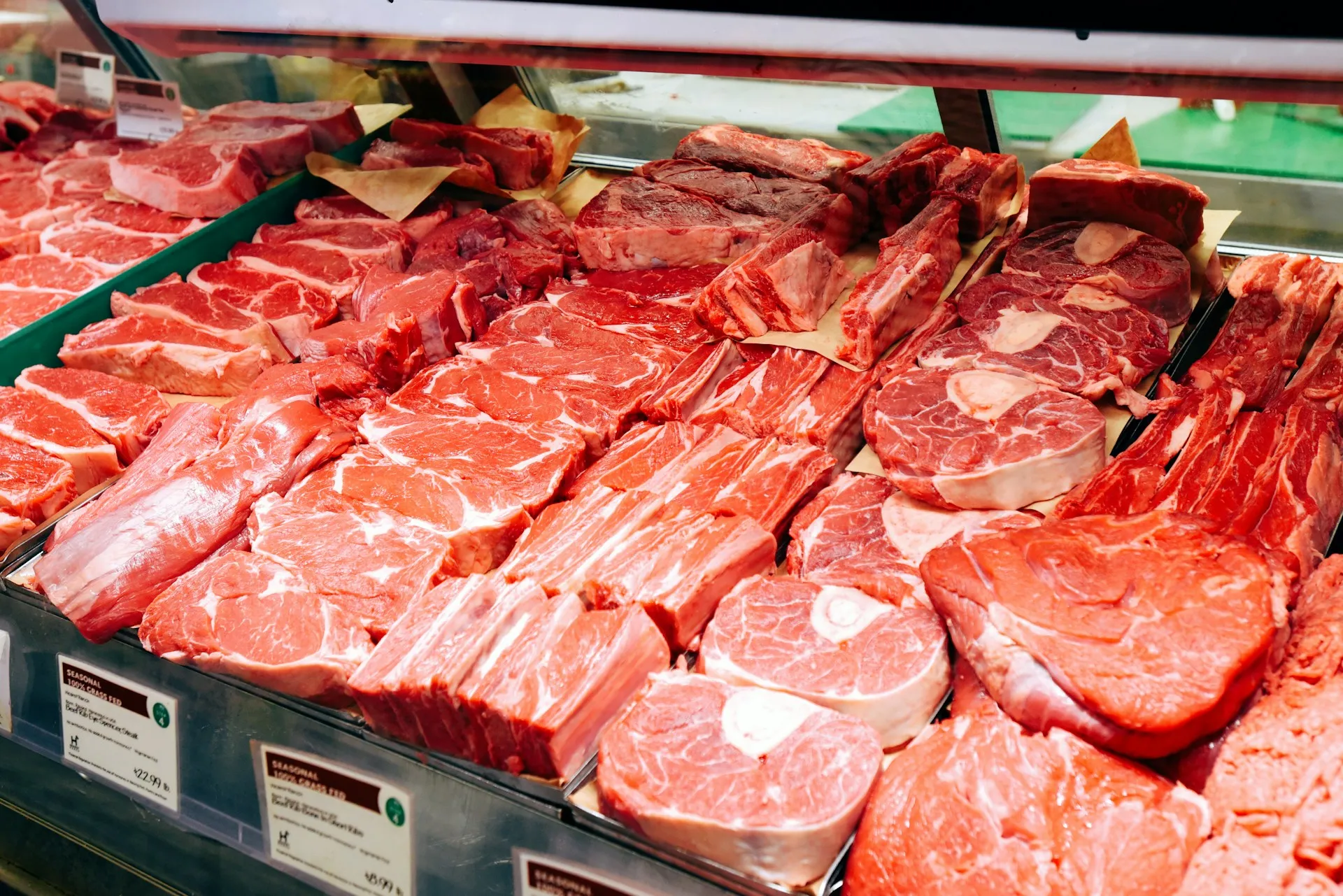
This is where a whole carcass turns into recognizable retail cuts — breasts, thighs, wings, tenders — and grading happens right alongside it, sorting by size, appearance, quality tier. Smaller operations, custom butchers among them, tend to specialize here, offering tailored cuts that big commercial plants just aren't built to accommodate. That flexibility isn't a minor detail either. Restaurants and specialty markets chasing a very specific cut profile depend on exactly that kind of setup.
7. Packaging and Distribution
Final leg. Vacuum-sealing, labeling, loading onto cold-chain trucks. Packaging isn't cosmetic — modified atmosphere packaging, for instance, limits oxygen exposure and stretches shelf life considerably. Mess this step up and even perfectly handled poultry spoils before it ever reaches a shelf. Frustrating, given how much care went into everything before it.
Why the Sequence Actually Matters
None of these seven steps stand alone. One weak link — rushed chilling, sloppy evisceration, careless stunning — undermines the rest, no matter how well everything else runs. That's the real reason processing plants treat this less like a factory line and more like a precision system, where timing and temperature and technique all have to line up almost perfectly. Ever notice how some chicken just tastes better, despite similar pricing and similar packaging? More often than not, that difference traces straight back to how carefully these stages were handled, not the farm it came from or the breed.
It also explains, at least partly, why the industry keeps pouring money into automation and stricter inspection technology. Margins are thin. Expectations are high. And there's barely any room left for error when food safety sits on the line — literally.
Related Reading
Top 10 Hidden Secrets About Business & Finance You Need to Know
Welcome to our in-depth exploration of Business & Finance. In an era defined...
Why Business & Finance is Transforming the Global Industry Landscape
Welcome to our in-depth exploration of Business & Finance. In an era defined...