6 Health Benefits of Drinking Black Tea
By Zaidaan Omar
6 Views
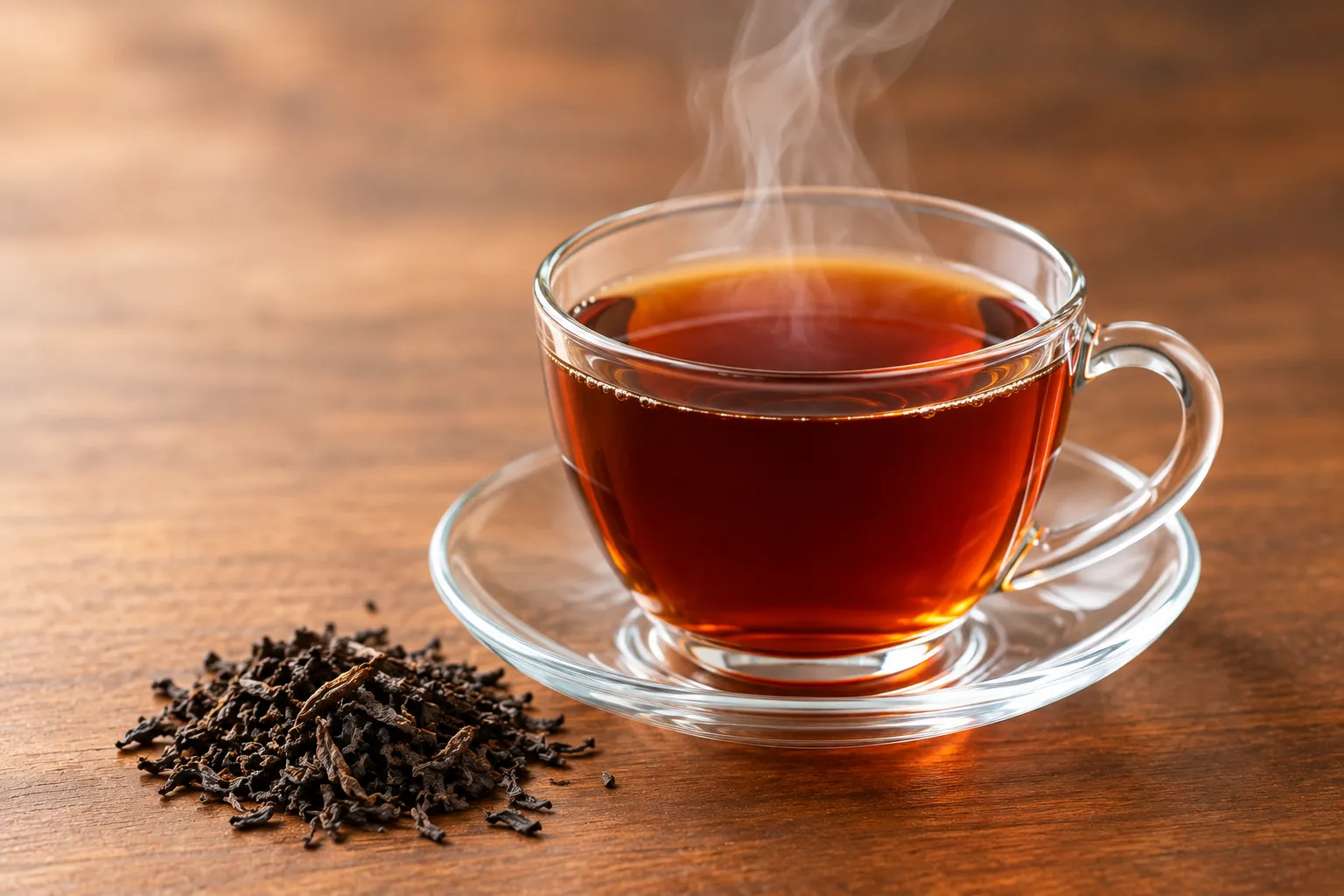
Black tea is more than a comforting morning beverage. Made from the leaves of Camellia sinensis, black tea undergoes an oxidation process giving it its darker colour, fuller body and distinctive flavour. This processing also creates compounds such as theaflavins, while the tea naturally contains flavonoids and other polyphenols.
Research has explored how these compounds may support different aspects of health. While black tea should not be considered a treatment or cure for any health condition, enjoying it as part of a balanced diet may offer several potential benefits.
Here are six health benefits associated with drinking black tea.
May Support Heart Health
One of the most studied potential benefits of black tea is its relationship with cardiovascular health.
Black tea contains flavonoids and other polyphenols that have been investigated for their effects on cardiovascular risk factors. Research suggests that regular tea consumption may be associated with healthier blood pressure and cholesterol levels.
A systematic review of prospective studies found that higher tea consumption was associated with lower risks of cardiovascular disease and cardiovascular mortality, although the researchers noted that the overall evidence varied in strength.
Black tea can therefore be a useful addition to a heart-conscious lifestyle, particularly when consumed without excessive sugar or cream.
May Help Support Healthy Blood Pressure
Blood pressure is another area where black tea has attracted scientific interest.
Some clinical research suggests that regular black tea consumption may produce modest improvements in blood pressure. A meta-analysis of randomized controlled trials found small reductions in both systolic and diastolic blood pressure among people consuming black tea, although the number and quality of available trials were limited.
This does not mean black tea can replace prescribed medication or lifestyle changes. Instead, unsweetened black tea can be considered one small part of an overall healthy dietary pattern.
May Support Focus and Mental Alertness
Black tea naturally contains caffeine, making it a popular choice for people who want a gentle boost in alertness.
Caffeine can help increase wakefulness and attention. Black tea also contains L-theanine, an amino acid that has been studied for its relationship with relaxation and cognitive performance. The combination of caffeine and L-theanine may provide a more balanced feeling of alertness for some people.
This makes black tea particularly appealing during a morning routine, work session or afternoon break when you want a beverage that can help you stay attentive without relying entirely on coffee.
The amount of caffeine varies depending on the tea, brewing method and serving size, so the effect will not be identical for every cup.
May Help Support Healthy Blood Sugar Management
Another area of interest is the relationship between tea consumption and blood glucose regulation.
Some research suggests that black tea may influence glucose metabolism and the body's response to sugar. However, the evidence is not strong enough to consider black tea a treatment for diabetes or prediabetes.
How you drink your tea also matters. A cup of unsweetened black tea is very different nutritionally from a tea loaded with sugar, syrups or sweetened condensed milk.
For people who enjoy black tea regularly, choosing an unsweetened preparation can be a simple way to keep added sugar lower while still enjoying a flavorful beverage.
Provides Plant Compounds with Antioxidant Properties
Black tea contains naturally occurring polyphenols, including theaflavins and thearubigins that develop during the oxidation process.
These compounds have antioxidant properties and have been widely studied for their potential role in protecting cells from oxidative stress. Researchers are also investigating how tea polyphenols may interact with processes involved in inflammation and chronic disease.
It is important, however, not to interpret antioxidant activity as proof that drinking black tea prevents specific diseases. Human health is influenced by many factors, including overall diet, physical activity, sleep, genetics and lifestyle.
Black tea is best viewed as one source of beneficial plant compounds within a varied diet.
May Be Associated with a Lower Risk of Stroke
Research has also examined the relationship between tea consumption and stroke risk.
Large observational studies have reported associations between regular tea consumption and a lower risk of stroke. One meta-analysis found that each additional daily cup of tea was associated with an average reduction in stroke risk, although the researchers emphasized that the strength of evidence was limited and observational studies cannot establish cause and effect.
This means black tea should not be viewed as a way to prevent stroke on its own. Instead, its potential contribution should be considered alongside established habits such as maintaining healthy blood pressure, staying physically active, avoiding smoking and
following a balanced diet.
How to Enjoy Black Tea as Part of a Healthy Lifestyle?
The potential benefits of black tea depend partly on how it fits into your overall diet and lifestyle.
For a simple everyday cup:
- Choose quality black tea leaves or tea bags.
- Avoid adding excessive sugar.
- Experiment with different origins and tea styles.
- Pay attention to caffeine if you are sensitive to it.
- Enjoy tea alongside a balanced diet rather than treating it as a health remedy.
- Consider the timing of your tea if caffeine affects your sleep.
Black tea can be enjoyed plain or with ingredients such as milk, spices or natural flavorings. The best preparation ultimately depends on your personal taste and dietary preferences.
How Much Black Tea Should You Drink?
There is no single amount of black tea that is ideal for everyone. Caffeine content can vary considerably between different teas and brewing methods.
People who are sensitive to caffeine may experience restlessness, anxiety or difficulty sleeping if they consume too much. It is therefore useful to consider your total daily caffeine intake from tea, coffee, chocolate, energy drinks and other sources.
If you have a medical condition, take medications or have been advised to limit caffeine, speak with a healthcare professional about what is appropriate for you.
Final Thoughts
Black tea is a flavorful beverage that also provides naturally occurring polyphenols and caffeine. Research suggests that regular tea consumption may be associated with several aspects of health, including cardiovascular health, blood pressure, mental alertness and stroke risk. However, many findings are based on observational research, and more high-quality clinical studies are needed to establish how much of these effects can be attributed specifically to black tea.
The simplest approach is to enjoy black tea as part of an overall healthy lifestyle. Choose a tea you enjoy, keep added sugar moderate, and treat it as a nutritious beverage rather than a substitute for medical care or a balanced diet.