40 Yard Dumpster Rental: A Practical Guide for Large Cleanup and Construction Projects
57 Views
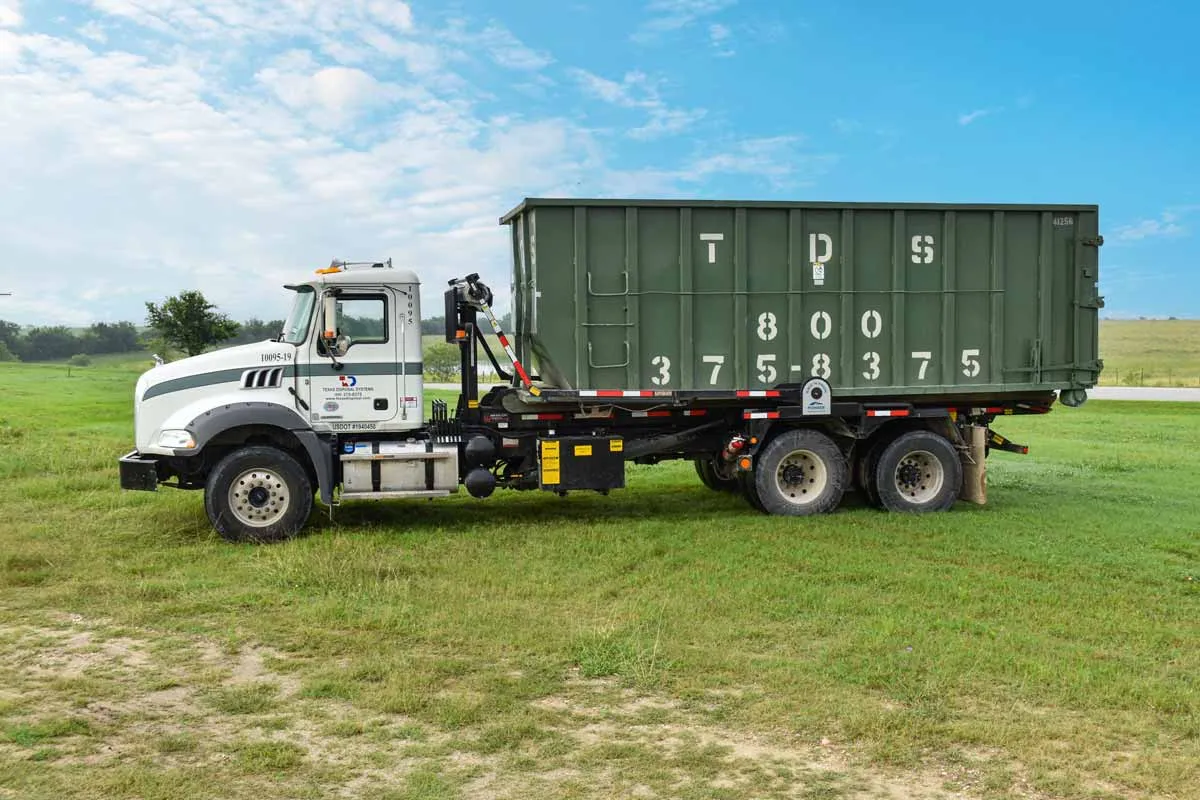
Large-scale cleanup projects can generate far more waste than a standard residential dumpster can handle. Construction debris, demolition materials, roofing waste, commercial renovations, and major property cleanouts often require a container with substantial capacity. Choosing the right dumpster size helps keep the worksite organized while reducing unnecessary pickups.
A 40 yard dumpster rental can be a practical option when a project produces a significant amount of bulky or heavy debris. However, capacity is only one consideration. You also need to think about the type of waste, available space, rental duration, weight limits, and local disposal requirements.
Understanding these factors before ordering a dumpster can prevent costly surprises. It can also help you determine whether a 40-yard container is genuinely appropriate or whether a smaller option would be more efficient.
What Is a 40 Yard Dumpster?
A 40-yard dumpster is one of the largest commonly available roll-off containers. The term "40 yard" refers to its volume rather than the amount of material it can safely carry by weight.
These dumpsters are generally designed for substantial commercial, construction, renovation, and demolition projects. Their large footprint provides considerable space for debris, making them useful when material accumulates quickly.
A 40-yard container may accommodate materials such as:
- Construction debris
- Drywall
- Flooring
- Roofing materials
- Wood
- Cabinets
- Furniture
- Packaging waste
- General household debris
- Demolition materials
The exact dimensions vary by provider, but many 40-yard dumpsters are roughly 22 feet long, 8 feet wide, and 8 feet high. Always confirm the actual dimensions before scheduling delivery because available space can differ considerably between properties.
When Should You Choose a 40 Yard Dumpster?
The right dumpster depends primarily on the volume and type of waste your project will produce.
A 40-yard container makes sense when you're handling a large renovation, commercial cleanup, or substantial demolition. For example, removing drywall, cabinets, flooring, fixtures, and other materials from an entire building can quickly fill several smaller containers.
It can also work well for major property cleanouts. Suppose you're clearing a large estate after years of accumulated belongings. Furniture, boxes, appliances, and household materials may require considerable dumpster capacity.
However, bigger is not always better. If your project produces only a few cubic yards of waste, paying for unused capacity may not be economical.
Consider the Type of Debris
Volume isn't the only factor. Weight can become particularly important with construction materials.
Concrete, brick, dirt, asphalt, and similar materials are extremely dense. A dumpster might have plenty of physical space remaining but already be near its permitted weight limit.
Before placing heavy debris into a large container, ask the rental provider about acceptable materials and weight restrictions. Some providers may require specialized containers for specific heavy materials.
How to Prepare for a Dumpster Rental
Proper preparation can make delivery, loading, and pickup considerably easier.
1. Estimate Your Waste Volume
Start by listing the materials your project will generate. Estimate how much each category will occupy and consider whether bulky items will be broken down.
For example, dismantling furniture or flattening cardboard can significantly reduce the space required. On the other hand, demolition debris may remain irregular and difficult to compact.
When uncertain, discuss your project with the rental company rather than guessing solely from dumpster size charts.
2. Measure the Delivery Area
A dumpster needs enough room for delivery and removal. Measure the available space and check for obstacles such as:
- Low tree branches
- Utility wires
- Fences
- Vehicles
- Narrow gates
- Buildings
- Other structures
Remember that the delivery truck also needs sufficient access. A driveway that appears large enough for the container may not provide adequate maneuvering space for the truck.
3. Protect the Placement Surface
A loaded dumpster can place substantial pressure on the surface underneath it. Driveways and paved areas may be suitable, but conditions vary.
If you're concerned about surface damage, ask whether boards or protective materials should be placed beneath the container. Avoid placing the dumpster where underground structures could potentially be affected without first checking the site.
4. Understand the Rental Period
Determine how long you'll actually need the container. Construction schedules can change because of weather, inspections, contractor delays, or material deliveries.
Ask about the included rental period and what happens if you need additional days. Understanding these terms upfront makes budgeting easier.
Common Mistakes to Avoid
One of the most common mistakes is choosing a dumpster based only on its advertised capacity. A container may look large enough, but the project could generate heavier or more difficult-to-load debris than expected.
Another mistake is filling the dumpster above its permitted level. Waste generally needs to remain below the container's top edge for safe transportation. Overloaded containers may require material to be removed before they can legally leave the property.
People also sometimes place prohibited materials inside dumpsters. Paints, chemicals, batteries, tires, certain electronics, and other regulated materials may have special disposal requirements.
Always ask about prohibited items before loading anything questionable.
Ignoring Local Requirements
Some municipalities require permits when dumpsters occupy public streets, sidewalks, or other regulated areas. Requirements can vary significantly between locations.
If the container will sit somewhere other than private property, check local rules before delivery. Waiting until the dumpster arrives can create unnecessary delays.
Practical Tips From an Experienced Approach
Plan the dumpster around the workflow rather than simply placing it wherever space is available. If workers need to carry debris across a long distance, cleanup becomes slower and less efficient.
For renovation projects, position the container as close as reasonably possible to the primary work area while maintaining safe access. Keep pathways clear so workers can move materials without creating unnecessary hazards.
Break down large items whenever practical. Flattening boxes, dismantling furniture, and separating materials can improve how efficiently you use the available volume.
You should also avoid mixing materials unnecessarily when separate recycling or disposal options are available. Certain construction materials may have recycling opportunities that reduce landfill waste.
Finally, keep track of what goes into the dumpster. This simple habit helps you identify prohibited materials, estimate remaining capacity, and recognize when you're approaching weight limitations.
Conclusion
A 40-yard dumpster can provide valuable capacity for major construction, renovation, demolition, commercial cleanup, and large property-clearing projects. The key is choosing it based on actual waste volume, material weight, available placement space, and rental requirements.
Before ordering, estimate your debris, measure the delivery area, check material restrictions, understand weight limits, and confirm the rental period. Taking these steps helps prevent overloaded containers, unexpected charges, and delivery problems.
The best dumpster choice isn't necessarily the largest one available. It's the container that safely matches the project's waste, location, schedule, and disposal needs.
Related Reading
Expert Insights: Navigating the Complex World of Home Improvement
Welcome to our in-depth exploration of Home Improvement. In an era defined by ra...
Why Home Improvement is Transforming the Global Industry Landscape
Welcome to our in-depth exploration of Home Improvement. In an era defined by ra...