10 Essential Skills to Look for When Hiring Remote PHP Developers
11 Views
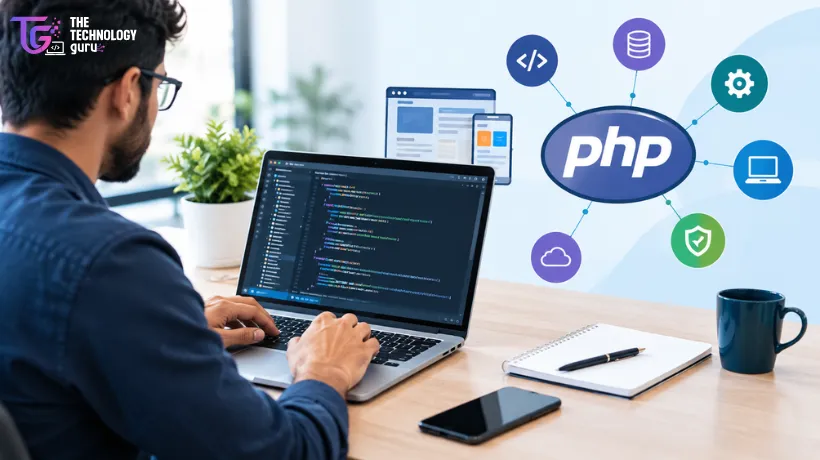
Hiring the right developer is essential for building secure, scalable, and high-performing web applications. PHP remains a widely used server-side programming language for websites, content management systems, eCommerce platforms, and custom web applications. However, finding a developer who can deliver reliable code, collaborate remotely, and understand business requirements requires more than reviewing a resume.
When businesses hire remote PHP developers, they should evaluate technical expertise, problem-solving abilities, communication skills, and practical experience. The right professional can help streamline development, improve website performance, strengthen security, and support long-term business growth.
In this guide, we explore the 10 essential skills to look for when hiring remote PHP developers and explain how each skill contributes to successful web development projects.
1. Strong Knowledge of PHP Programming
A solid understanding of PHP is the foundation of successful backend development. Experienced developers should understand PHP syntax, data types, functions, object-oriented programming, exception handling, and modern language features.
They should also know how to write clean, reusable, and maintainable code. Familiarity with current supported PHP versions helps developers build applications that benefit from performance improvements, security updates, and modern development practices.
When evaluating candidates, review their previous projects and ask them to explain how they approach common programming challenges. Practical coding assessments can help determine whether their knowledge extends beyond theoretical concepts.
2. Experience with PHP Frameworks
PHP frameworks simplify development by providing reusable components, established architectural patterns, and built-in tools. Developers with framework experience can often deliver projects more efficiently while maintaining consistent code quality.
Look for experience with popular frameworks such as:
-
Laravel: Useful for building modern web applications, APIs, and business platforms.
-
Symfony: Suitable for complex applications requiring flexible, reusable components.
-
CodeIgniter: A lightweight option for projects that need a relatively simple development structure.
The ideal candidate should understand routing, middleware, authentication, dependency management, and application architecture within the framework relevant to your project.
Before hiring, confirm that the developer's framework experience aligns with your existing technology stack and project requirements.
3. Database Management and SQL Skills
Most dynamic websites and web applications depend on databases to store and retrieve information. Remote PHP developers should understand how to design efficient database structures and interact with database management systems.
Important skills include MySQL or PostgreSQL, SQL queries, database normalization, indexing, relationships, and transaction management.
Developers should also know how to identify slow queries and improve database performance. For applications handling customer accounts, product catalogs, bookings, or financial transactions, these skills are especially important.
Ask candidates how they would structure a database for your application and how they would troubleshoot a slow-running query. Their answers can reveal their practical understanding of database design and optimization.
4. API Development and Third-Party Integration
Modern applications frequently connect with external services, mobile applications, payment gateways, CRM platforms, and other business tools. API development is therefore an important skill when evaluating remote PHP developers.
Candidates should understand RESTful API design, JSON, HTTP methods, authentication, request validation, and error handling. Experience with OAuth or API tokens can also be valuable, depending on the project.
A capable developer should know how to integrate third-party services without compromising application security or reliability. They should also understand API documentation, rate limits, versioning, and testing.
If your business plans to connect its website with external platforms or develop a mobile application, prioritize developers with proven API integration experience.
5. Web Application Security Knowledge
Security is a critical consideration for every business website and web application. Poor coding practices can expose applications to SQL injection, cross-site scripting (XSS), cross-site request forgery (CSRF), and unauthorized access.
When you hire remote PHP developers, look for professionals who understand secure coding principles and common web application vulnerabilities.
Essential security practices include:
-
Validating and sanitizing user input appropriately.
-
Using prepared statements or safe ORM methods for database queries.
-
Implementing secure authentication and authorization.
-
Hashing passwords with appropriate password-hashing algorithms.
-
Managing sessions, cookies, and sensitive configuration securely.
-
Applying updates and following dependency security advisories.
Developers should also understand how to protect sensitive information and follow the security requirements relevant to your industry. Ask candidates to explain how they would secure a login system or protect an API endpoint.
6. Frontend Development Fundamentals
Although PHP primarily powers server-side functionality, effective web development often requires collaboration between backend and frontend components.
A remote PHP developer should have a working understanding of HTML, CSS, JavaScript, and how browsers communicate with servers. Familiarity with responsive design, form validation, accessibility, and frontend integration is also beneficial.
These skills help developers troubleshoot issues that involve both the user interface and backend logic. They can also communicate more effectively with designers and frontend specialists.
For projects involving WordPress, WooCommerce, or custom content management systems, experience with the relevant templates, themes, plugins, and integration methods can be particularly valuable.
7. Problem-Solving and Debugging Abilities
Technical problems are inevitable during software development. Strong developers can identify the underlying cause of an issue rather than simply applying temporary fixes.
Look for candidates who can analyze error logs, reproduce bugs, inspect application behavior, and use debugging tools effectively. They should understand how to isolate problems involving code, databases, APIs, configuration, and server environments.
Problem-solving skills are particularly important in remote teams, where developers may need to investigate issues independently before requesting assistance.
During interviews, present a realistic scenario, such as a slow website or a failed API request. Ask the candidate to explain their troubleshooting process step by step. This approach provides better insight into their abilities than relying solely on certifications or years of experience.
8. Version Control and Testing Practices
Professional development requires a structured approach to managing code changes and preventing regressions. Remote PHP developers should be comfortable using Git and platforms such as GitHub or GitLab.
They should understand branches, commits, pull requests, merge conflicts, and collaborative code reviews. These practices help distributed teams coordinate their work and maintain a clear development history.
Testing knowledge is equally important. Look for experience with unit testing, integration testing, and relevant PHP testing tools, such as PHPUnit or Pest.
Automated tests help identify defects early and make future updates safer. Developers who follow testing practices can reduce the risk of breaking existing functionality when adding features or fixing bugs.
9. Remote Communication and Time Management
Technical expertise alone does not guarantee successful remote collaboration. Developers must communicate clearly, manage deadlines, and keep stakeholders informed about progress.
When hiring remote PHP developers, assess their ability to explain technical concepts in straightforward language, ask relevant questions, and provide realistic project estimates.
Useful remote-work practices include:
-
Sharing regular progress updates.
-
Documenting technical decisions and completed tasks.
-
Raising blockers early instead of waiting until deadlines.
-
Participating in code reviews and scheduled meetings.
-
Managing priorities across agreed working hours and time zones.
A reliable remote developer understands that communication is part of the development process. Clear expectations, documented requirements, and consistent feedback help prevent misunderstandings and keep projects on schedule.
10. Performance Optimization and Scalability
As websites grow, their technical requirements become more demanding. A skilled PHP developer should understand how to improve application performance and prepare systems for increasing traffic and data volumes.
Important areas include caching, database query optimization, efficient code execution, profiling, and server-side performance monitoring. Familiarity with tools such as Redis, PHP profiling utilities, and performance monitoring platforms may be useful depending on your architecture.
Developers should also understand scalable application design, background jobs, queues, and appropriate infrastructure choices.
For eCommerce websites, SaaS products, and business applications, performance improvements can support a smoother user experience and help reduce unnecessary server costs.
Ask candidates to describe a project where they improved application performance. Specific examples, measurements, and explanations of their decisions can help you assess their practical experience.
How to Choose the Right Remote PHP Developer
Once you have identified the essential skills, follow a structured hiring process to select the right professional for your business.
1. Define your project requirements: Identify the features, technologies, experience level, timeline, and expected deliverables.
2. Review relevant experience: Examine portfolios, code samples, previous projects, and experience with similar applications.
3. Conduct a technical assessment: Use a practical coding task or project-based discussion relevant to your actual requirements.
4. Evaluate communication: Discuss availability, reporting expectations, collaboration tools, and working hours.
5. Start with a clearly defined milestone: Agree on deliverables, acceptance criteria, and review procedures before expanding the engagement.
Avoid choosing a developer based only on the lowest rate. Consider code quality, security awareness, communication, and long-term maintainability when evaluating overall value.
Conclusion
Choosing the right PHP developer can significantly influence your website's performance, security, and long-term maintainability. From PHP programming and framework expertise to database management, API integration, testing, and remote communication, each skill contributes to successful project delivery.
Businesses looking to Hire Remote PHP Developers should evaluate candidates through practical assessments, relevant project experience, and clear communication. A structured hiring process helps identify professionals who can meet current development needs while supporting future growth.
Whether you are building a new website, upgrading an existing application, or developing a custom business platform, selecting a developer with the right combination of technical and collaborative skills is an important investment in your digital strategy.
If you are looking for dedicated PHP development talent, explore the available services at The Technology Guru to learn more about PHP development support for your business requirements.