10 Effective Ways to Treat a Blood Blister in Your Mouth
By Isa Bella
169 Views
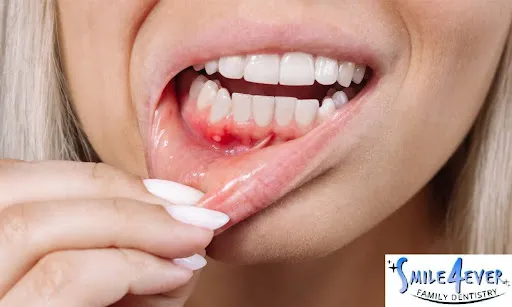
A blood blister in your mouth can feel scary at first. It may show up fast. It may look dark red or purple. Sometimes it hurts. Sometimes it does not hurt at all. A sudden blood blister in mouth can happen after a small injury like biting your cheek or eating food that is too hot. Mouth sores and ulcers are often linked to minor trauma irritation from teeth or dental appliances and hot food or drinks.
Many blood blisters get better on their own with gentle care. But you still need to watch it. If it lasts too long, keeps coming back or gets worse then a dentist or doctor should check it. Experts also advise having mouth sores checked if they do not heal or if they are unusually painful or large.
If you live in Houston and want simple help at home this guide is for you. It covers easy care steps, what to avoid and when to get professional help. It also helps you understand the difference between a simple blister and a mouth problem that needs more attention.
What a Blood Blister in the Mouth Is
A blood blister is a raised spot filled with blood. It can show up on the inner cheek lip, gums tongue or roof of the mouth. It may appear after a small injury or irritation. Some mouth sores are caused by infection allergy or broader health issues so not every sore is the same.
A painless blood blister inside cheek can happen too. That may make people ignore it. But even if it does not hurt you should still keep an eye on it. The mouth heals fast in many cases. Still any sore that stays longer than expected should be checked.
Common Reasons It Can Happen
Small trauma is one of the biggest reasons. You may bite the inside of your cheek while eating. You may burn the area with pizza tea or coffee. Sharp foods like chips or toast can also scrape the mouth lining. Braces, rough fillings, dentures and sharp tooth edges can keep rubbing the same spot. Sources like the NHS and Cleveland Clinic list cheek biting hot food, rough dental surfaces and irritation as common triggers for mouth sores.
Dry mouth can also make mouth tissue easier to irritate because saliva helps protect the lining of the mouth.
Let It Heal Without Picking It
The first step is simple. Leave it alone. Do not poke it. Do not bite it again on purpose. Do not keep checking it with your tongue every few minutes. Touching it more can slow healing and make the area more irritated.
This is one of the best parts of basic blood blister in mouth treatment. Gentle care often works better than doing too much.
Rinse Gently With Salt Water
A warm salt water rinse may help keep the area clean and soothe the mouth. Do it gently. Do not swish hard. A soft rinse is enough.
This can be helpful if you have mild soreness after a cheek bite. It is a common home care step for irritated mouth tissue though it is not a cure for every cause.
Avoid Hot and Spicy Foods
Hot foods and spicy meals can make the area sting. They can also keep the surface irritated. Let your mouth rest for a few days. Choose cooler foods and drinks instead.
This matters for people in Houston who enjoy spicy food often. A short break can help the blister calm down faster.
Eat Soft Foods for a Few Days
Soft foods are easier on the mouth. Try yogurt mashed potatoes soup oatmeal smoothies or soft rice. Hard crusty foods can scrape the area again. That can make healing slower.
If chewing hurts try eating on the other side of your mouth until the spot improves.
Use Cold for Comfort
Cold can help with discomfort and mild swelling. You can suck on small ice chips or hold a cold drink in your mouth for a short time. Do not use anything too hard that could hit the blister.
This is not a magic fix. It is just a simple way to feel better while the tissue heals.
Keep Your Mouth Clean
Good mouth care matters. Brushing gently with a soft toothbrush and being careful around sore spots is key to preventing irritation. Keeping your mouth clean can reduce discomfort caused by food debris and plaque. Regular brushing and flossing help prevent these issues.
If you wear braces or dentures, it’s important to clean them as directed by your dentist. If a denture or appliance feels rough, ask your dentist to check the fit. Ongoing friction from ill-fitting appliances is a common reason for mouth sores and blisters to stay irritated.
For those who need a more thorough cleaning, visiting a professional cleaning dentist in Houston can help ensure your mouth stays clean and healthy. A professional cleaning can remove plaque and tartar buildup, which regular brushing may miss. Regular check-ups with a dentist in Houston can also help prevent mouth sores and other oral health issues.
Stay Away From Sharp Foods
Chips, toast crackers and hard snacks can reopen the area. Even if the blister starts to feel better the tissue may still be tender. Choose soft meals until it looks flatter and feels calm.
This is a very easy part of blood blister in mouth treatment and it can make a real difference.
Drink Enough Water
A dry mouth can feel more irritated. Saliva helps protect the mouth lining. Drinking enough water may help your mouth feel more comfortable especially if you talk a lot during the day or spend time in heat. Dry mouth can make mouth irritation worse because saliva normally protects oral tissue.
In Houston warm weather can make hydration even more important.
Remove the Cause of Friction
Try to figure out what caused the blister. Was it a sharp tooth edge? A new denture. Braces. Very hot food. If the cause keeps happening then the area may not heal well.
A dentist can smooth a rough filling or check a sharp edge. If you think friction is the reason then getting the source fixed is often one of the smartest long term steps.
Know When to See a Dentist or Doctor
This is very important. Many mouth sores and blisters improve in a week or two. But if the spot does not heal, keeps coming back becomes very painful or makes eating and speaking hard then get it checked. MouthHealthy says a dentist should examine any mouth sore lasting a week or longer. Mayo Clinic advises evaluation for large painful or nonhealing sores.
You should also get help if there is heavy swelling, ongoing bleeding or other unusual mouth changes. Some lesions in the mouth can have causes other than simple trauma. Persistent sores or red or white patches should not be ignored.
If you are in Houston and want a local dental check then Smile4Ever Dental Clinic in Houston may be one option to explore for an exam and advice.
What You Should Not Do
Do not pop the blister yourself. Do not use harsh products inside your mouth without guidance. Do not keep eating foods that clearly make it worse. Do not ignore repeated sores. Recurrent or unusual mouth problems can need a professional look because mouth sores may also be linked to infections, allergies, irritants or broader health conditions.
How to Lower the Chance of Another One
Chew slowly. Let hot food cool down before eating. Be careful with crunchy foods. Keep up with oral hygiene. Fix rough dental work early. If you wear dentures make sure they fit well.
These small habits can help lower the chance of another sudden blood blister in mouth episode. They also support better oral comfort in daily life.
Final Thoughts
A mouth blood blister can look alarming. Still many cases are linked to simple irritation and improve with gentle care. The safest plan is to protect the area, keep your mouth clean and avoid foods or habits that make it worse. Minor trauma like cheek biting burns and rough dental surfaces are common reasons for mouth lesions.
If the spot does not heal or keeps returning do not guess. Get it checked. That is the best way to protect your oral health in Houston and get peace of mind.
FAQs
How long does a mouth blood blister usually last
Many mild mouth sores or blisters improve within one to two weeks. If the spot lasts longer than that or gets worse you should have it checked by a dentist or doctor.
Is a painless cheek blood blister still important
Yes. A painless blood blister inside cheek may still need watching. If it stays too long, returns often or changes in size or color then it should be examined by a dental professional.
Should I pop the blister for faster healing
No. Popping it can irritate the area more and may slow healing. Gentle care works better. Keep the mouth clean, avoid irritating foods and get help if the sore does not improve.